Key takeaways
- Read the certification, not the label: GOTS covers organic cotton and wool, GOLS covers organic latex. CertiPUR-US and OEKO-TEX signal low emissions and tested materials, which is meaningful, but they are not organic claims. Knowing the difference tells you exactly what you’re paying for.
- Match firmness to sleep position: Back and stomach sleepers benefit most from a true firm surface that keeps hips from dropping. Side sleepers usually want medium-firm with a thin comfort layer, otherwise the shoulder takes the full load.
- Look for zoned pocketed coils: Individually encased springs with reinforced lumbar and hip zones deliver firmness without the board-like feel of high-density foam alone, and they move air rather than trapping it.
- Prioritize wool and latex over foam depth: Wool regulates temperature and adds natural flame resistance without chemical treatments. Natural latex supplies responsive lift, so a thinner profile can still feel substantial.
- Use the trial window seriously: Firm mattresses take three to four weeks of adjustment. A 100-night minimum is the floor; 365-night trials and 10-year warranties are increasingly standard and worth holding brands to.
What's inside
Firm and organic rarely sit comfortably in the same sentence. Shoppers who want real support tend to find it in dense polyfoam and glue-heavy builds, while the certified-organic aisle skews plush, floaty, and slow to push back. Add the fact that “organic” gets stretched to cover everything from a GOTS-certified cotton cover to a single wool pad over conventional foam, and the category starts to feel less like a purchase and more like a research project.
This guide sorts the genuinely supportive organic and low-tox builds from the marketing-adjacent ones. Below you’ll find picks spanning true certified-organic constructions, wool-and-latex hybrids, kids’ firm mattresses, and value hybrids that prioritize clean materials and spinal alignment over cloud-like sink. Each one is judged on the same terms a designer would use when specifying a bed for a client: material honesty, edge integrity, temperature behavior, and how it holds a body over years, not nights.
As an Amazon Associate we earn from qualifying purchases.



How to Choose a Firm Organic Mattress (2026)
- Read the certification, not the label: GOTS covers organic cotton and wool, GOLS covers organic latex. CertiPUR-US and OEKO-TEX signal low emissions and tested materials, which is meaningful, but they are not organic claims. Knowing the difference tells you exactly what you’re paying for.
- Match firmness to sleep position: Back and stomach sleepers benefit most from a true firm surface that keeps hips from dropping. Side sleepers usually want medium-firm with a thin comfort layer, otherwise the shoulder takes the full load.
- Look for zoned pocketed coils: Individually encased springs with reinforced lumbar and hip zones deliver firmness without the board-like feel of high-density foam alone, and they move air rather than trapping it.
- Prioritize wool and latex over foam depth: Wool regulates temperature and adds natural flame resistance without chemical treatments. Natural latex supplies responsive lift, so a thinner profile can still feel substantial.
- Use the trial window seriously: Firm mattresses take three to four weeks of adjustment. A 100-night minimum is the floor; 365-night trials and 10-year warranties are increasingly standard and worth holding brands to.
The Best Firm Organic Mattresses (2026) Reviewed
Naturepedic Serenade Organic Luxury Mattress (Full, Firm)
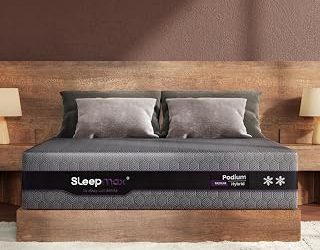
Naturepedic builds to a strict organic standard rather than a price point, and the Serenade in firm is the most credible expression of that in this lineup: certified organic cotton and wool over encased coils, with no polyurethane foam anywhere in the stack. It’s the pick for anyone who wants firmness and material purity without compromising on either.
Ethical Mattress CO 10-Inch Organic Hybrid (King)
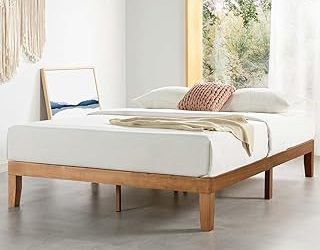
A restrained 10-inch build combining organic cotton, wool, latex, and pocketed springs, made in the USA and shipped in a box. The medium-firm calibration lands where most couples actually want to be, and the slim profile suits low platform beds and minimalist frames where a 14-inch slab would visually overwhelm the room.
Naturepedic Verse Organic Kids Mattress (Twin XL, Firm)
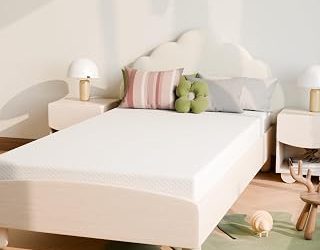
Growing bodies do better on firm surfaces, and the Verse pairs encased coil layers with quilted sides and Naturepedic’s organic materials sourcing. It’s a smart specification for bunk rooms, guest twins, and dorm-bound Twin XLs where durability and clean materials both matter.
Organic Mattress Queen 14-Inch Gel Foam Hybrid
This one leans hybrid rather than fully organic, using gel-infused foam over a supportive coil unit with reinforced edges and a medium-to-firm feel. Hot sleepers who want organic-fiber cover materials and strong perimeter support at a mainstream price will find it a sensible compromise.
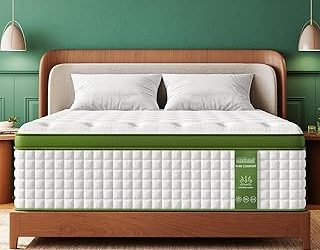
BedStory Firm 13-Inch Hybrid (Queen)
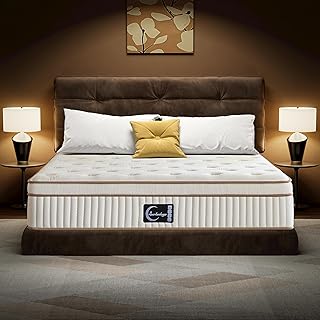
Zoned lumbar reinforcement is the headline here, and it earns its place among firm picks for back pain sufferers who need the mattress to hold a neutral spine all night. A 365-night trial and 10-year warranty take most of the risk out of committing to a firmer feel.
Frequently Asked Questions
Is an organic mattress actually firmer or softer than a conventional one?
Neither by default. Firmness comes from the coil gauge and comfort layer thickness, not the certification. Latex-and-wool builds do feel more buoyant than memory foam, which some sleepers read as firmer.
Does a firm organic mattress need a topper?
Only if you sleep on your side and feel shoulder pressure after a few weeks of break-in. A wool or natural latex topper adds cushioning without undoing the support underneath.
Are fiberglass-free and organic the same thing?
No. Fiberglass-free means the flame barrier uses something else, often wool or a knit sock. It’s a good sign, but it says nothing about whether the fibers or foams are certified organic.
How long should a firm organic mattress last?
Natural latex and wool over pocketed coils typically hold their shape for eight to twelve years, generally outlasting all-foam builds. Rotating head-to-foot every six months helps considerably.
Final Thoughts
For uncompromised organic construction with genuine firmness, the Naturepedic Serenade is the reference point. The Ethical Mattress CO 10-inch hybrid is the better fit for low-profile frames and shared beds, and the BedStory Firm 13-inch delivers zoned lumbar support with a trial window generous enough to test the theory properly.