Key takeaways
- Comfort layer depth: Side sleeping needs at least three inches of contouring material above the support core. Anything thinner lets your shoulder bottom out against the firm base, which is the most common source of morning arm tingling and rotator-cuff ache.
- Genuinely different firmness sides: Verify the two sides span a real range — soft to medium-firm, or medium-soft to medium-firm. Some “flippable” builds differ by a half-step you’ll never feel. The spread is the whole point of the format.
- Heat management: Foam that cradles you also traps you. Look for copper or gel infusion, open-cell structure, or a hybrid coil layer that lets air move underneath rather than relying on a cover treatment alone.
- Cover and edge construction: A removable, washable cover matters more on a flippable, since both faces see skin contact over the mattress’s life. Mesh side panels aid airflow; zippered systems let you access or reconfigure internal layers.
- Certifications and trial length: CertiPUR-US confirms the foam is tested for emissions and content, and fiberglass-free construction avoids a well-documented cleanup nightmare. A 120-night minimum trial gives your body time to adapt before you judge.
What's inside
Side sleepers carry a specific burden at the mattress store: the shoulder and hip sink first, and everything else has to negotiate around them. Too firm and those two pressure points bear the whole body’s weight until they go numb. Too soft and the spine folds into a hammock by 3 a.m. The frustrating part is that firmness preference isn’t fixed — it shifts with body weight, pregnancy, injury recovery, a new partner, even the seasons. Buying a single-sided mattress means locking in one answer to a question that keeps changing.
Flippable mattresses solve this elegantly by putting two distinct feels on either side of one core, so a swap takes ten minutes instead of a return shipment. This guide covers what actually matters in a dual-sided build for side sleeping — comfort-layer depth, zoned support, cover construction — and reviews the models worth your attention in 2026, from copper-infused foam to zippered two-in-one hybrids.
As an Amazon Associate we earn from qualifying purchases.


How to Choose a Flippable Mattress For Side Sleepers (2026)
- Comfort layer depth: Side sleeping needs at least three inches of contouring material above the support core. Anything thinner lets your shoulder bottom out against the firm base, which is the most common source of morning arm tingling and rotator-cuff ache.
- Genuinely different firmness sides: Verify the two sides span a real range — soft to medium-firm, or medium-soft to medium-firm. Some “flippable” builds differ by a half-step you’ll never feel. The spread is the whole point of the format.
- Heat management: Foam that cradles you also traps you. Look for copper or gel infusion, open-cell structure, or a hybrid coil layer that lets air move underneath rather than relying on a cover treatment alone.
- Cover and edge construction: A removable, washable cover matters more on a flippable, since both faces see skin contact over the mattress’s life. Mesh side panels aid airflow; zippered systems let you access or reconfigure internal layers.
- Certifications and trial length: CertiPUR-US confirms the foam is tested for emissions and content, and fiberglass-free construction avoids a well-documented cleanup nightmare. A 120-night minimum trial gives your body time to adapt before you judge.
The Best Flippable Mattress For Side Sleepers (2026)s Reviewed
Layla 10″ Copper Infused Memory Foam Mattress
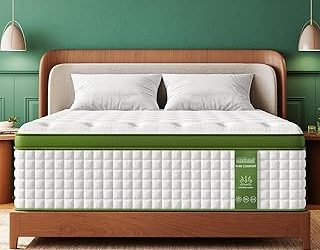
The Layla remains the reference point for flippable design: a genuinely soft side with deep shoulder give and a medium-firm reverse, separated by copper-infused foam that pulls heat away from contact points rather than storing it. The two included memory foam pillows and 120-night trial make it a low-risk entry for side sleepers who suspect their ideal firmness sits somewhere they haven’t found yet.
Nutan 12″ I-Switch Flippable Two-Sided Mattress
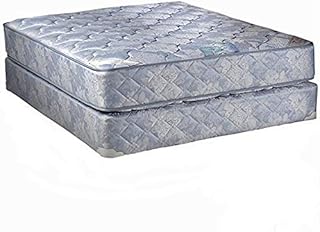
Nutan’s zippered I-Switch approach delivers medium-firm on one face and medium-soft on the other, with mesh side panels that keep air circulating through the core instead of stalling it. The removable washable cover is a practical advantage over sealed builds, particularly in a guest room or shared bed where both sides get regular use.
Greaton 12″ I-Switch Flippable Two-Sided Mattress
Mechanically close to the Nutan and equally worth shortlisting, the Greaton’s twelve inches gives side sleepers meaningful contour depth on the medium-soft face without sacrificing spinal alignment on the firmer side. The California King split configuration suits couples who want independent firmness choices within one bed frame.
Sleepmax 14″ Hybrid Mattress
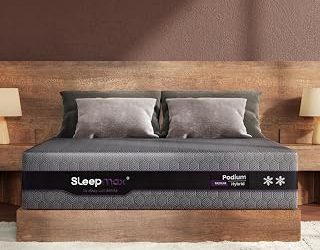
At fourteen inches with a pocketed coil core beneath a pressure-relieving comfort system, the Sleepmax is the pick for heavier side sleepers who compress foam-only beds too far. It runs cooler than most all-foam options, and the 365-night trial plus CertiPUR-US, fiberglass-free build reflects real confidence in the construction.
Extra Firm 14″ Dual-Side Flippable Memory Foam Mattress
Made in the USA and spanning medium to extra firm across its two faces, this one targets side sleepers dealing with lower back pain who need substantially more support than typical plush foam offers. The removable fiberglass-free cover is a meaningful safety detail, though pure side sleepers under 150 pounds may find even the softer face demanding.
Frequently Asked Questions
How often should I flip a dual-sided mattress?
Rotate head-to-foot every three months and flip whenever your comfort needs change. Unlike one-sided beds, flipping evens out compression across both faces, which extends usable life considerably.
Is medium-soft or medium-firm better for side sleeping?
Most side sleepers land on medium-soft to medium, since the shoulder and hip need room to sink. Heavier sleepers often prefer medium-firm because their body weight does the compressing.
Do flippable mattresses work on adjustable bases?
All-foam flippables generally flex fine. Thicker hybrids with tall coil units may resist articulation, so confirm compatibility with the manufacturer before pairing.
How long is the break-in period?
Give any new mattress two to four weeks. Foam softens measurably as it’s used, and your body recalibrates from the old bed’s support profile during the same window.
Final Thoughts
For most side sleepers, the Layla Copper Infused is the smartest starting point — the softness spread between its two faces is wide enough to matter, and copper keeps it from sleeping hot. Choose the Sleepmax 14″ Hybrid if you need coil support under a deeper contouring layer, or the Nutan I-Switch if a washable cover and zippered construction rank high on your list.