Key takeaways
- Comfort layer depth: Look for at least three inches of conforming foam up top. Side sleepers need room for the shoulder to descend before it meets the firmer support core, and thin comfort layers are the usual culprit behind numb arms.
- Feel, not firmness numbers: Medium to medium-plush suits most side sleepers between roughly 130 and 230 pounds. Lighter sleepers should lean plusher to get any contouring at all; heavier sleepers often need a hybrid so they don’t bottom out.
- Zoning and spinal alignment: Zoned support foam varies firmness along the length of the bed, softening at the shoulder and reinforcing the lumbar region. It’s the single most useful feature on this list for keeping the spine level side-on.
- Heat management: Deep hug means more surface contact, which means more trapped heat. Gel infusions, open-cell structures, and breathable covers all help, though airflow through the support core matters more than any single additive.
- Certifications and materials: CertiPUR-US certification covers foam emissions and content. Fiberglass-free construction is worth confirming too, since fiberglass fire barriers can become a genuine mess if a cover is ever removed.
What's inside
Side sleeping is the most popular position in the world and the least forgiving one. Lying on your side concentrates your body weight into two narrow zones — the shoulder and the hip — while your waist and knees float above the surface. A mattress that feels plush in a showroom can still let the hip sink out of line, or push back hard enough at the shoulder that you wake up rolling onto your stomach at 3 a.m. The fix isn’t simply “softer.” It’s a surface that yields where you’re widest and holds firm through the lumbar gap.
This guide looks at foam and foam-hybrid mattresses through that lens, plus the practical questions that matter once a bed lands in a real room: how a 14-inch profile reads against a low platform frame, whether cooling claims hold up under a duvet, and what certifications are worth checking before you unbox. Below are the picks we’d put in a client’s bedroom, followed by a short buying framework and answers to the questions that come up most.
As an Amazon Associate we earn from qualifying purchases.


How to Choose a Foam Mattress For Side Sleepers (2026)
- Comfort layer depth: Look for at least three inches of conforming foam up top. Side sleepers need room for the shoulder to descend before it meets the firmer support core, and thin comfort layers are the usual culprit behind numb arms.
- Feel, not firmness numbers: Medium to medium-plush suits most side sleepers between roughly 130 and 230 pounds. Lighter sleepers should lean plusher to get any contouring at all; heavier sleepers often need a hybrid so they don’t bottom out.
- Zoning and spinal alignment: Zoned support foam varies firmness along the length of the bed, softening at the shoulder and reinforcing the lumbar region. It’s the single most useful feature on this list for keeping the spine level side-on.
- Heat management: Deep hug means more surface contact, which means more trapped heat. Gel infusions, open-cell structures, and breathable covers all help, though airflow through the support core matters more than any single additive.
- Certifications and materials: CertiPUR-US certification covers foam emissions and content. Fiberglass-free construction is worth confirming too, since fiberglass fire barriers can become a genuine mess if a cover is ever removed.
The Best Foam Mattresses For Side Sleepers (2026) Reviewed
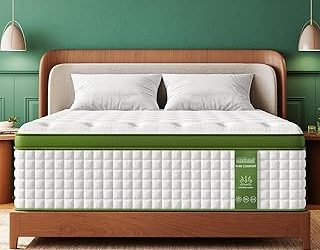
Sweetnight CoolNest 14 Inch Cooling Memory Foam Mattress
The five-zone support layer is what earns this one the top spot — it softens precisely where the shoulder lands and stiffens under the hips, which is exactly the geometry side sleepers need. At 14 inches with a medium feel, it also has the visual presence to anchor a low-profile bed frame without looking undersized.
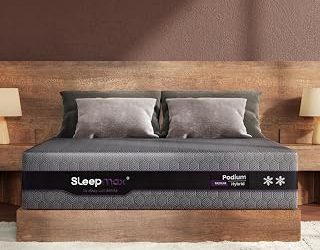
Sleepmax 14 Inch Hybrid Mattress
Pocketed coils under a foam comfort layer give this hybrid deeper compression support, making it the smarter choice for heavier side sleepers or couples who share a bed and want less motion transfer. The 365-night trial is unusually generous, which matters because side-sleeping comfort often takes several weeks to reveal itself.
Novilla 14 Inch Gel Memory Foam Mattress
A straightforward all-foam build with gel-infused memory foam that contours closely and isolates movement well. It’s the pick for sleepers who genuinely like that slow, cradling memory foam response rather than a springier surface.
EGOHOME 12 Inch Green Tea Memory Foam Mattress
Medium-firm and fiberglass-free, with green tea gel foam that keeps the surface temperature reasonable through the night. Twelve inches is the sweet spot for guest rooms and standard bed frames where a taller mattress would throw off the proportions of the room.
Novilla Bliss 12 Inch Gel Memory Foam Mattress
The medium-plush feel makes this the most forgiving option here for lighter-framed side sleepers, who often can’t compress firmer beds enough to get any shoulder relief. Support foam beneath keeps the midsection from dipping.
Frequently Asked Questions
Is memory foam or hybrid better for side sleepers?
Memory foam contours more closely, which suits most side sleepers under about 230 pounds. Above that, a hybrid’s coil core provides the deep support that foam alone can struggle to deliver.
Is an 8-inch mattress thick enough?
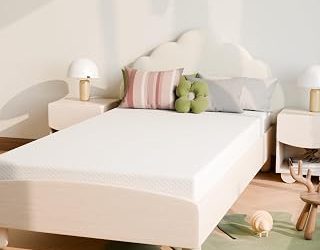
Rarely, for side sleeping. Thinner beds like the 8-inch Best Price Mattress work well for children, bunks, or occasional guest use, but they don’t leave enough comfort layer for shoulders and hips to sink in properly.
How long until a new foam mattress feels right?
Allow 48 to 72 hours for full expansion and two to four weeks for your body to adjust. Judge it at the end of that window, not the first night.
Do I need a special foundation?
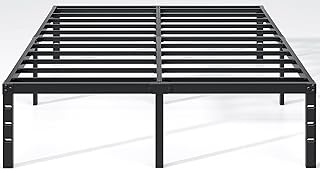
Any solid platform or slatted base with gaps under three inches works. Box springs flex too much and can cause premature sagging in all-foam beds.
Final Thoughts
For most side sleepers, the Sweetnight CoolNest 14 Inch is the most complete answer here — zoned support, real depth, and a temperature-neutral surface. Choose the Sleepmax 14 Inch Hybrid if you’re heavier or sharing the bed, and the Novilla Bliss 12 Inch if you sleep light and want the plusher end of the range.