Key takeaways
- Slat spacing under 3 inches: This is the single number that matters most. Pocketed coils are independent, so any gap wider than roughly 3 inches lets individual springs settle downward, creating soft patches and voiding most hybrid warranties.
- Load capacity and center support: A queen hybrid can weigh 90 to 130 pounds before anyone lies on it. Look for a center rail or center legs on any foundation wider than a full, and confirm the stated weight rating covers mattress plus sleepers with margin.
- Airflow from below: Hybrids breathe downward. An open slat deck or a breathable board keeps humidity moving instead of condensing between mattress and base, which is how mildew and that faint musty smell start.
- Non-slip surface: Cooling covers are slick by design. A non-skid deck or silicone grip layer keeps the mattress from creeping toward the footboard, which matters far more with hybrids than with old innersprings.
- Profile and logistics: Measure your total stack height before buying. A 14-inch hybrid on a 9-inch foundation on a frame gets tall fast. Ultra-low boards and tool-less flat-pack foundations solve height and stairwell problems respectively.
What's inside
A hybrid mattress is a layered system: pocketed coils doing structural work, foam layers managing pressure, and a cover engineered to move heat out. Set that system on the wrong base and the engineering quietly collapses. Slats spaced too far apart let coils dip between the gaps, a solid platform without ventilation traps moisture against the underside, and a sagging old box spring transfers its own dead spots straight up into your lumbar zone. Most people notice the symptom first — a hip that aches by morning, a mattress that seems to have softened in one spot — and blame the mattress. The base is usually the culprit.
This guide sorts through what actually supports a hybrid properly in 2026: dedicated foundations, low-profile bunkie boards that rescue an existing bed frame, and a few hybrid mattresses worth pairing them with. We look at slat spacing, load distribution, airflow, and grip, then match each option to a real situation — a platform bed with too-wide slats, a metal frame that needs a flat deck, a guest room that needs to work without tools or a truck.
As an Amazon Associate we earn from qualifying purchases.


How to Choose a/an Foundation For Hybrid Mattress (2026)
- Slat spacing under 3 inches: This is the single number that matters most. Pocketed coils are independent, so any gap wider than roughly 3 inches lets individual springs settle downward, creating soft patches and voiding most hybrid warranties.
- Load capacity and center support: A queen hybrid can weigh 90 to 130 pounds before anyone lies on it. Look for a center rail or center legs on any foundation wider than a full, and confirm the stated weight rating covers mattress plus sleepers with margin.
- Airflow from below: Hybrids breathe downward. An open slat deck or a breathable board keeps humidity moving instead of condensing between mattress and base, which is how mildew and that faint musty smell start.
- Non-slip surface: Cooling covers are slick by design. A non-skid deck or silicone grip layer keeps the mattress from creeping toward the footboard, which matters far more with hybrids than with old innersprings.
- Profile and logistics: Measure your total stack height before buying. A 14-inch hybrid on a 9-inch foundation on a frame gets tall fast. Ultra-low boards and tool-less flat-pack foundations solve height and stairwell problems respectively.
The Best Foundation For Hybrid Mattress (2026)s Reviewed
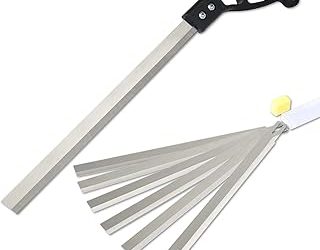
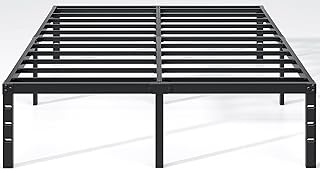
Heavy Duty Bunkie Board, King (76×80)
At a 0.4-inch profile, this is the fix for an existing platform or metal frame with slats spaced too generously — it bridges the gaps without adding meaningful height. The silicone grip and breathable, moisture-resistant construction address the two chronic complaints with cheap boards: mattress drift and trapped humidity.
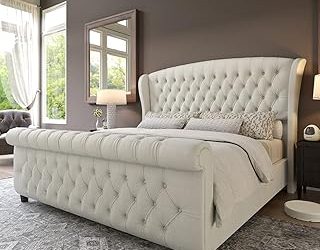
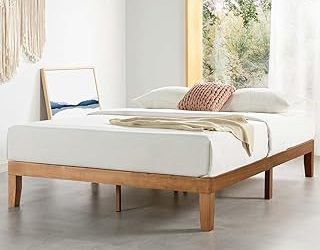
Tuft & Needle Mattress Foundation, Queen
A genuinely well-built wood foundation that assembles without tools and ships in a manageable box, which makes it the practical choice for apartments and upstairs bedrooms. The non-skid deck and tight slat layout are properly matched to hybrid coils, and the 5-year warranty signals real confidence in the joinery.
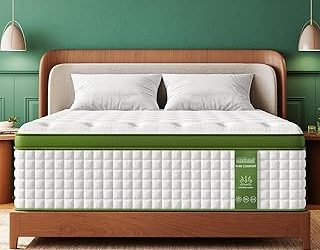
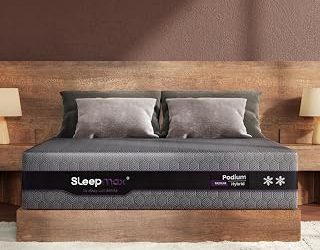
Sleepmax 14-Inch Queen Hybrid
A cooling-focused hybrid that rewards a firm, flat base — put it on a solid foundation and the pressure-relief layers do their job for both back and side sleepers. CertiPUR-US certified and fiberglass-free, with a 365-night trial that gives you a full season to judge it.
BedStory Firm 13-Inch Queen Hybrid
The zoned lumbar support here is the standout, aimed squarely at back pain, and it reads more hotel-firm than plush. Firm hybrids are the least forgiving of a weak base, so pair this one with a rigid foundation and skip the old box spring entirely.
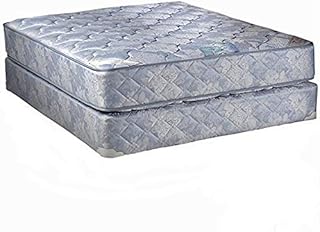
ailis 14-Inch Queen Hybrid
Upgraded pocket springs deliver the motion isolation couples actually notice, and the reinforced perimeter keeps the edges usable rather than collapsing when you sit. Medium-firm and breathable, it lands in the sweet spot for mixed sleeping positions.
Frequently Asked Questions
Can I put a hybrid mattress on a box spring?
Traditional coil box springs flex under load, which fights the structure of a hybrid and can void the warranty. A rigid foundation or a slatted platform is the correct pairing.
Do I need a bunkie board on a slatted platform bed?
Only if your slats sit more than about 3 inches apart or feel springy underfoot. A low-profile board is a cheap insurance policy against uneven coil settling.
Will a foundation make my mattress sleep hotter?
An open slat deck or breathable board helps heat and moisture escape downward. A fully sealed solid surface is the one to avoid with a cooling hybrid.
Does a heavier hybrid need extra support?
Yes. Anything queen size or larger should have center support, and king setups benefit from additional center legs to prevent long-term sag through the middle.
Final Thoughts
If your frame is sound and you just need proper coil support, the Heavy Duty Bunkie Board solves it for very little money and almost no added height. For a complete, dependable base from scratch, the Tuft & Needle Foundation is the one I’d point most buyers toward — sturdy, tool-less, and correctly spaced for hybrid coils. Pair either with the Sleepmax 14-Inch Hybrid if cooling and a long trial window matter to you, and the whole setup performs the way it was designed to.