Key takeaways
- Slat spacing: Keep gaps at 3 inches or less. Anything wider allows foam to sag between supports, which most warranties explicitly exclude from coverage. A solid or near-solid surface is the safest choice for foam over 10 inches thick.
- Rigid, not springy: Traditional coil box springs add bounce that foam is not built to absorb. Look for a foundation described as extra firm or non-flexing, typically a welded steel frame or a wood-and-fabric grid.
- Total bed height: Add the foundation, mattress, and any topper together before buying. A 7-inch base plus a 12-inch mattress sits high; a 0.4-inch bunkie board keeps the same mattress at chair height for easier entry and exit.
- Weight capacity and center support: For queen and king sizes, confirm a center rail or leg and check the stated load rating. Two adults plus a dense foam mattress can approach 700 pounds, so headroom in the rating matters.
- Airflow and grip: Foam traps heat and moisture at the underside. Breathable, moisture-resistant surfaces reduce condensation, and silicone or rubberized grip strips stop the mattress from creeping toward the footboard.
What's inside
Memory foam behaves nothing like the innerspring mattresses most bed bases were designed for. It has no internal coil system to distribute load, so it transfers weight straight down into whatever sits beneath it. Put a foam mattress on a slatted frame with wide gaps, an aging box spring with sagging coils, or a platform that flexes in the middle, and the foam will faithfully mirror every one of those flaws. The result shows up as a dip under the hips within a year, edges that collapse when you sit down, and a warranty claim the manufacturer will likely decline once they see the setup.
This guide covers the support layer specifically: what makes a foundation compatible with all-foam construction, how slat spacing and profile height change the feel of the bed, and where a low-profile bunkie board beats a full box spring. We have also included a few well-reviewed gel memory foam toppers, because the fastest fix for a firm foundation is often adding comfort above it rather than rebuilding below.
As an Amazon Associate we earn from qualifying purchases.


How to Choose a Foundation For Memory Foam Mattress (2026)
- Slat spacing: Keep gaps at 3 inches or less. Anything wider allows foam to sag between supports, which most warranties explicitly exclude from coverage. A solid or near-solid surface is the safest choice for foam over 10 inches thick.
- Rigid, not springy: Traditional coil box springs add bounce that foam is not built to absorb. Look for a foundation described as extra firm or non-flexing, typically a welded steel frame or a wood-and-fabric grid.
- Total bed height: Add the foundation, mattress, and any topper together before buying. A 7-inch base plus a 12-inch mattress sits high; a 0.4-inch bunkie board keeps the same mattress at chair height for easier entry and exit.
- Weight capacity and center support: For queen and king sizes, confirm a center rail or leg and check the stated load rating. Two adults plus a dense foam mattress can approach 700 pounds, so headroom in the rating matters.
- Airflow and grip: Foam traps heat and moisture at the underside. Breathable, moisture-resistant surfaces reduce condensation, and silicone or rubberized grip strips stop the mattress from creeping toward the footboard.
The Best Foundation For Memory Foam Mattress (2026)s Reviewed
Heavy Duty Bunkie Board, King (76×80)
At just 0.4 inches thick, this anti-sag slat board converts an existing frame into a foam-safe surface without raising the bed at all, and the silicone grip and breathable moisture-resistant cover address the two chronic complaints about board-style supports: sliding and trapped humidity. It is the smartest pick if you already own a bed frame with slats spaced too far apart.
SHOANED 7 Inch Queen Box Spring
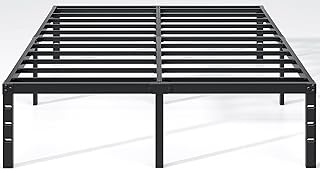
A welded steel foundation rated to 3,000 pounds, this one gives all-foam mattresses the completely rigid platform they need while staying genuinely silent under movement. The 7-inch height reads as a traditional box spring, so it works cleanly inside a standard bed frame without looking like a metal substitute.
Amazon Basics Smart Box Spring Bed Base, 7-Inch Queen
Tool-free assembly and a firm, evenly supported top surface make this the low-friction option for anyone replacing a worn box spring on a weekday evening. Support is even edge to edge, and the white finish disappears under a bed skirt or a platform-style frame.
Best Price Mattress 3 Inch Ventilated Memory Foam Topper, Queen
Ventilated, gel-infused, and CertiPUR-US certified, this topper is the practical companion to a very firm foundation, softening the surface without reintroducing flex underneath. It is also a sensible choice for dorm and guest beds where replacing the mattress outright is not worth the spend.
Linenspa Memory Foam Topper, Full
Three inches of gel-infused foam with a plush feel, this one leans toward pressure relief at the shoulders and hips, which helps if your mattress has firmed up with age. Give it 48 hours to fully expand before judging the loft.
Frequently Asked Questions
Can I put a memory foam mattress directly on the floor?
Short term, yes. Long term it is a poor idea, since foam needs airflow underneath to release the moisture your body produces overnight. Without it, the underside stays damp and becomes a mildew risk.
Do I need a box spring or a platform base?
Either works as long as the surface is rigid and closely supported. Coil box springs are the one type to avoid, since their flex accelerates body impressions in foam.
Will a bunkie board fix a sagging mattress?
It fixes sag caused by an inadequate frame, not sag inside the mattress itself. Once the foam has permanently compressed, a topper or replacement is the honest answer.
How long should a foundation last?
A steel foundation commonly outlasts two mattresses. Inspect welds, center legs, and slat integrity whenever you rotate or replace the mattress above it.
Final Thoughts
For most all-foam setups, the SHOANED 7 Inch Queen Box Spring delivers the rigid, high-capacity support foam depends on, while the Heavy Duty Bunkie Board is the better call when you want to keep an existing frame and a low bed height. If your current foundation is already sound and the mattress simply feels too firm, start with the Best Price Mattress 3 Inch Ventilated Topper before spending on anything structural.