Key takeaways
- Border construction: Look for language about reinforced perimeter coils or foam encasement. A high-density rail wrapping the coil unit is what keeps the outer four to six inches sittable, and it matters more than total coil count.
- Profile height: Twelve inches is the practical baseline for a hybrid. Sixteen-inch builds stack more comfort foam over the springs, which reads plusher and suits heavier bodies, but they demand deep-pocket sheets and make the bed noticeably taller.
- Firmness versus sleep position: Medium firm supports back and stomach sleepers and keeps the lumbar curve neutral. Side sleepers with pointed hips and shoulders generally want a medium plush or Euro top surface for pressure relief.
- Heat management: Gel-infused memory foam and cool-touch nylon covers help, but the coil layer does the real work by keeping air moving beneath you. Any hybrid will sleep cooler than a comparable all-foam bed.
- Certifications and trial length: CertiPUR-US foam and fiberglass-free construction are non-negotiable at this point. A long sleep trial, ideally 100 nights or more, gives your body the three or four weeks it actually needs to adapt.
What's inside
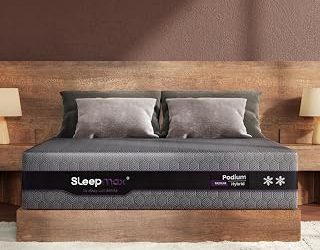
Perimeter collapse is the quiet failure point of most mattresses. You notice it the first time you sit on the edge to lace up shoes and feel the foam fold out from under you, or when a partner rolls toward the border at 3 a.m. and the whole side of the bed gives way. In smaller bedrooms, where the bed doubles as a reading spot and a landing pad for laundry, that soft rim effectively shrinks the surface you paid for. Hybrids solve it structurally: a pocketed coil unit gives the mattress a spine, and reinforced border rows or high-density foam rails keep the outer inches as usable as the center.
This guide focuses on hybrids that treat edge support as engineering rather than marketing copy. We looked at coil gauge and border construction, comfort-layer depth, cooling strategy, and how each build holds up for side, back, and combination sleepers. Below you’ll find our current picks, followed by a short buying framework, individual reviews, and answers to the questions that come up most often when people move from all-foam to hybrid.
As an Amazon Associate we earn from qualifying purchases.


How to Choose a Hybrid Mattress With Edge Support (2026)
- Border construction: Look for language about reinforced perimeter coils or foam encasement. A high-density rail wrapping the coil unit is what keeps the outer four to six inches sittable, and it matters more than total coil count.
- Profile height: Twelve inches is the practical baseline for a hybrid. Sixteen-inch builds stack more comfort foam over the springs, which reads plusher and suits heavier bodies, but they demand deep-pocket sheets and make the bed noticeably taller.
- Firmness versus sleep position: Medium firm supports back and stomach sleepers and keeps the lumbar curve neutral. Side sleepers with pointed hips and shoulders generally want a medium plush or Euro top surface for pressure relief.
- Heat management: Gel-infused memory foam and cool-touch nylon covers help, but the coil layer does the real work by keeping air moving beneath you. Any hybrid will sleep cooler than a comparable all-foam bed.
- Certifications and trial length: CertiPUR-US foam and fiberglass-free construction are non-negotiable at this point. A long sleep trial, ideally 100 nights or more, gives your body the three or four weeks it actually needs to adapt.
The Best Hybrid Mattresses With Edge Support (2026), Reviewed
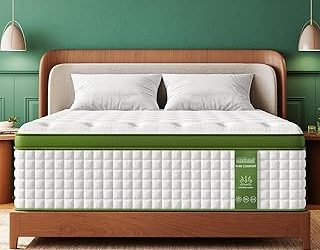
Novilla 12 Inch Queen Hybrid
A well-balanced entry point that pairs pocketed coils with cooling gel memory foam and a cool-touch nylon cover, so it isolates motion without trapping heat. The 12-inch profile keeps standard sheets in play, making it an easy fit for guest rooms and first apartments.
Luxury 16 Inch Queen Hybrid
The most substantial build here, with 7-zone coil support, gel memory foam, and reinforced edges under a medium firm surface that reads plush on contact but pushes back through the midsection. The 365-night trial signals real confidence in how the foam settles over a full year.
Coolvie 14 Inch King Hybrid
Our pick for couples who want a genuinely soft surface without losing the perimeter, thanks to a Euro top over reinforced border coils. Medium plush is the right call for side sleepers, and at king size the firm edges meaningfully expand the usable sleep area.
BedStory Queen 12 Inch Hybrid
A focused medium firm option built around lumbar support, reinforced edges, and fiberglass-free CertiPUR-US foam. Back sleepers who found their last mattress too yielding through the hips will appreciate how deliberately this one holds alignment.
12 Inch Pillow Top Queen Hybrid
A pillow top layered over gel memory foam and pocket springs gives this one a softer entrance than its medium firm rating suggests, while the coil unit and supported perimeter keep it stable. Strong motion isolation makes it a sensible choice for light sleepers sharing a bed.
Frequently Asked Questions
How long does a hybrid mattress take to break in?
Expect two to four weeks. The comfort foams soften slightly with body heat and pressure, and your own musculature needs time to adjust to different support. Judge the bed at the end of the trial window, not the first week.
Do hybrid mattresses need a box spring?
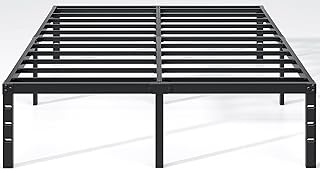
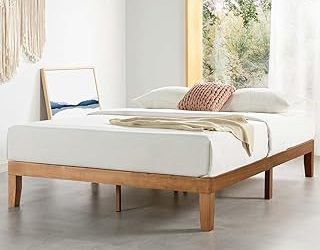
No. They work on a platform bed, a solid or slatted foundation, or the floor. If your frame uses slats, keep the gaps under three inches so the coil unit stays properly supported and the warranty stays intact.
Will a 16-inch mattress fit my sheets?
Standard fitted sheets top out around 14 inches of pocket depth. For a 16-inch build, buy deep-pocket or extra-deep sheets rated to 18 inches so the corners stay seated.
Is edge support worth paying more for?
If you sit on the bed, share it, or use a smaller size, yes. Reinforced perimeters extend the effective sleep surface and reduce the roll-off sensation that makes a queen feel like a full.
Final Thoughts
For most bedrooms, the Novilla 12 Inch Queen delivers the cleanest balance of cooling, motion isolation, and supported edges at an accessible profile. Choose the Luxury 16 Inch Queen if you want zoned support and a deeper, more cushioned surface backed by a full-year trial, or the Coolvie 14 Inch King if a plush Euro top across a wide, firmly bordered sleep area is the priority.