Key takeaways
- Read the comfort layer, not the label: A truly foam-free build uses cotton batting, fiber fill, or a quilted tight top over the coils. Many beds marketed as innerspring still use a polyfoam or CertiPUR-US foam quilt layer, which is not memory foam but is not fiber either. Both are fine; just know which one you are buying.
- Match profile to your bed frame: An 8-inch mattress reads clean and low on a platform or slatted frame and suits guest rooms, bunks, and daybeds. A 12-inch profile fills out a taller upholstered frame and generally means more coil height and a thicker comfort layer.
- Understand coil type: Continuous and Bonnell coils give you that classic responsive, slightly bouncy feel with strong support and a lower price. Pocketed coils move independently, which quiets motion transfer if you share the bed. Neither traps heat the way foam does.
- Take firmness claims as a range, not a number: “Firm” from a legacy brand usually means firm. “Medium firm” from a direct-to-consumer seller often lands softer than expected once the quilt compresses. If you sleep on your side, size up on cushioning; back and stomach sleepers should trust the firmer end.
- Check the trial and warranty terms: Coil beds break in rather than off-gas, and the honest read on comfort arrives around week three. A 100-night trial and a 10-year limited warranty are the current baseline, and anything shorter deserves a second look.
What's inside
Memory foam had its decade. But if you have ever sunk into a mattress and felt the bed close around you, or woken up in a heat pocket you had to fight your way out of, you already know why the coil is back in favor. Innerspring construction moves air, pushes back, and lets you change position without negotiating with the surface. The trouble is that the market has quietly folded foam into nearly everything, and “hybrid” has become a word that can mean anything from a thin quilted pad to four inches of viscoelastic slab. Shoppers who specifically want spring support end up squinting at spec sheets trying to figure out what is actually under the cover.
This guide sorts that out. Below are innerspring and coil-first mattresses that lead with steel rather than foam, chosen for a range of profiles, firmness levels, and budgets. We look at what genuinely matters in a coil bed for 2026: gauge and coil count, edge structure, the composition of the comfort layer sitting above the springs, and how the whole assembly behaves after a few months rather than on unboxing day. A few honest notes on where “no memory foam” is a realistic claim and where it is marketing shorthand.
As an Amazon Associate we earn from qualifying purchases.


How to Choose a/an Innerspring Mattress Without Memory Foam (2026)
- Read the comfort layer, not the label: A truly foam-free build uses cotton batting, fiber fill, or a quilted tight top over the coils. Many beds marketed as innerspring still use a polyfoam or CertiPUR-US foam quilt layer, which is not memory foam but is not fiber either. Both are fine; just know which one you are buying.
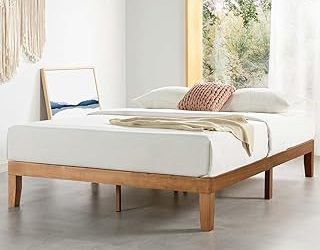
- Match profile to your bed frame: An 8-inch mattress reads clean and low on a platform or slatted frame and suits guest rooms, bunks, and daybeds. A 12-inch profile fills out a taller upholstered frame and generally means more coil height and a thicker comfort layer.
- Understand coil type: Continuous and Bonnell coils give you that classic responsive, slightly bouncy feel with strong support and a lower price. Pocketed coils move independently, which quiets motion transfer if you share the bed. Neither traps heat the way foam does.
- Take firmness claims as a range, not a number: “Firm” from a legacy brand usually means firm. “Medium firm” from a direct-to-consumer seller often lands softer than expected once the quilt compresses. If you sleep on your side, size up on cushioning; back and stomach sleepers should trust the firmer end.
- Check the trial and warranty terms: Coil beds break in rather than off-gas, and the honest read on comfort arrives around week three. A 100-night trial and a 10-year limited warranty are the current baseline, and anything shorter deserves a second look.
The Best Innerspring Mattress Without Memory Foam (2026)s Reviewed
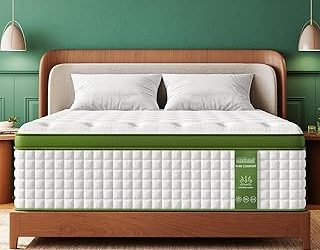
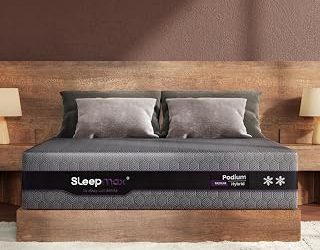
12 Inch Queen Innerspring Hybrid
A well-proportioned 12-inch queen that pairs a coil core with a cooling cover and a medium-firm surface aimed at pressure relief and lower-back support. It is the most versatile pick here for a primary bedroom, and the height sits nicely in a standard upholstered frame without a bulky foam silhouette.
Sealy Warner 12″ Firm Tight Top
The classic tight-top build, and the closest thing on this list to a genuinely foam-forward-free feel: a firm, flat, quilted surface over Sealy’s coil system with no plush pillow top to soften over time. Best for back and stomach sleepers who want structure and a name with a service record behind it.
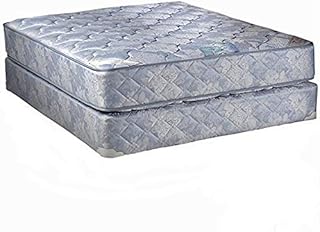
Greaton 8-Inch Gentle Firm Innerspring
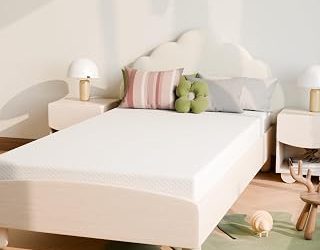
A straightforward, low-profile innerspring that delivers gentle-firm support with minimal fuss, which makes it a smart choice for guest rooms, teen bedrooms, and trundle or daybed setups. At 8 inches it keeps sightlines low, and the support feels honest rather than engineered.
Avenco SleepSphere 8 Inch Full
A tidy foam-and-spring hybrid in a compact 8-inch profile, with a breathable cover and CertiPUR-US certified foam in the comfort layer rather than a memory foam slab. Good option for a smaller room or a bed frame where you want the coil response without the visual bulk.
Beautyrest Prime Dream Medium 12.5″ Twin
The most generous cushioning of the group at 12.5 inches, with a medium feel that suits side sleepers and anyone transitioning off an all-foam bed. The 100-night trial and 10-year limited warranty make it a low-risk entry point for a twin or a kid’s room that needs to last.
Frequently Asked Questions
Do any of these contain memory foam?
The tight-top and traditional innerspring models rely on quilted fiber and polyfoam rather than viscoelastic memory foam. Hybrids may include a thin CertiPUR-US certified foam comfort layer, which behaves differently from memory foam: it responds immediately and does not hold body impressions.
Will an innerspring mattress sleep cooler?
Generally yes. Open coil architecture allows air to circulate through the core, so heat dissipates instead of pooling around your body. A cotton or knit cover helps further.
How long do innerspring mattresses last?
Expect seven to ten years with regular rotation, longer for firmer builds with heavier gauge coils. Sagging usually appears at the edges and hips first, which is your cue to replace.
Do I need a box spring?
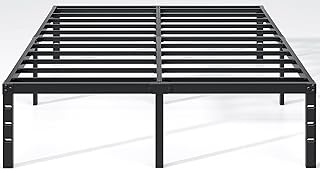
Not for most modern innersprings. A solid platform or slats spaced under three inches apart works fine, and a foundation is only necessary if your frame requires one for warranty coverage.
Final Thoughts
For a primary bedroom, the 12 Inch Queen Innerspring Hybrid gives you the most balanced combination of coil support, cooling, and proportion. If you want firm, traditional, no-nonsense structure, the Sealy Warner 12″ Firm Tight Top remains the benchmark. And for guest rooms or lower-profile frames, the Greaton 8-Inch is the quiet workhorse worth the money.