Key takeaways
- Decide protector or pad first: A thin waterproof protector guards against liquids and allergens without changing feel. A quilted pad or pillow top adds a layer of cushioning and softens a firm mattress, but most quilted styles are absorbent rather than sealed.
- Match the pocket to your build: Measure your mattress from seam to seam, then add any topper. A 10-inch mattress in an 18-inch pocket billows at the corners; a 16-inch hybrid in a 14-inch pocket pops off nightly. Deep-pocket ranges like 6–18 inches or 8–21 inches give you room for future toppers.
- Prioritize the face fabric, not the claim: Viscose derived from bamboo and long-staple cotton both move moisture better than polyester jersey. On a king, where two sleepers generate real heat, breathability is the difference between comfortable and clammy.
- Listen for the backing: Quality waterproofing uses a thin TPU film bonded to knit fabric, which flexes silently. Older PVC or vinyl layers rustle and stiffen. Look for the word noiseless and reviews from light sleepers to confirm it.
- Check the wash instructions before you buy: Membranes fail under high heat. Cold or warm wash with a low-heat tumble is standard; anything requiring line drying only will be a chore on king-size yardage. Elastic quality and skirt stitching also determine whether it survives twenty cycles.
What's inside
A king mattress is usually the most expensive piece of furniture in a bedroom, and the least protected. Sweat, skin oils, spilled coffee, and a decade of dust mites work quietly at the surface long before anyone notices a stain. The problem is that most shoppers have been burned by the alternative: a stiff sheet of laminate that crackles with every turn, traps heat like a rain jacket, and shrinks two inches in the first wash. So the cover comes off, and the mattress goes unguarded.
The good news is that the category has matured. Fabric-backed membranes, viscose-from-bamboo face cloths, and quilted cotton tops now deliver protection you genuinely forget is there. This guide breaks down what separates a cover worth keeping from one destined for the linen closet, then reviews the standouts for 2026 across waterproof protectors, quilted pads, and pillow-top toppers, with notes on depth, feel, and laundering.
As an Amazon Associate we earn from qualifying purchases.




How to Choose a King Mattress Cover (2026)
- Decide protector or pad first: A thin waterproof protector guards against liquids and allergens without changing feel. A quilted pad or pillow top adds a layer of cushioning and softens a firm mattress, but most quilted styles are absorbent rather than sealed.
- Match the pocket to your build: Measure your mattress from seam to seam, then add any topper. A 10-inch mattress in an 18-inch pocket billows at the corners; a 16-inch hybrid in a 14-inch pocket pops off nightly. Deep-pocket ranges like 6–18 inches or 8–21 inches give you room for future toppers.
- Prioritize the face fabric, not the claim: Viscose derived from bamboo and long-staple cotton both move moisture better than polyester jersey. On a king, where two sleepers generate real heat, breathability is the difference between comfortable and clammy.
- Listen for the backing: Quality waterproofing uses a thin TPU film bonded to knit fabric, which flexes silently. Older PVC or vinyl layers rustle and stiffen. Look for the word noiseless and reviews from light sleepers to confirm it.
- Check the wash instructions before you buy: Membranes fail under high heat. Cold or warm wash with a low-heat tumble is standard; anything requiring line drying only will be a chore on king-size yardage. Elastic quality and skirt stitching also determine whether it survives twenty cycles.
The Best King Mattress Covers of 2026, Reviewed
PlushDeluxe Bamboo Waterproof Mattress Protector
This is the pick for anyone who wants full liquid protection with a fabric that feels closer to a good sheet than a barrier, thanks to a viscose-from-bamboo face over a silent membrane. The 76×80-inch cut fits mattresses up to 18 inches deep, and it stays hypoallergenic and cool enough for warm sleepers who normally reject protectors outright.
Utopia Bedding Quilted Fitted Mattress Pad
A soft quilted layer that smooths over surface irregularities and adds a light cushion, with deep pockets stretching to 16 inches. It is the sensible choice for guest rooms and short-term rentals where you want a washable, hotel-tidy surface, though it buffers rather than blocks liquids.
BEDLORE Waterproof Mattress Protector
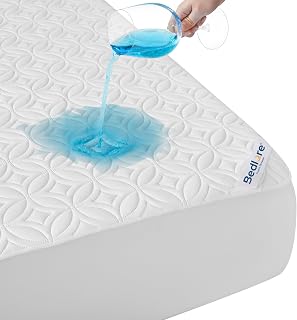
BEDLORE covers an unusually wide 6- to 18-inch depth range, which makes it a safe pick if you are undecided on adding a topper later. The surface is quiet and dirt-resistant, and the price makes it easy to keep a spare in rotation for laundry days.
SafeRest Sleepure Waterproof Mattress Protector
SafeRest built its reputation on protectors that actually hold up, and the Sleepure pairs a cotton and bamboo-viscose face with genuinely stretchable pockets that grip a heavy king without corner strain. A strong option for allergy-sensitive households and anyone protecting a warranty on a new mattress.
Utopia Bedding 200 GSM Waterproof Mattress Protector
Fitted-sheet styling and a 200 GSM breathable face give this one a clean, low-profile drape up to 17 inches deep. It is the value workhorse of the group: quiet, machine washable, and inexpensive enough to buy for every bed in the house.
Frequently Asked Questions
Does a mattress cover make the bed hotter?
A well-made one barely registers. Heat complaints almost always trace back to thick vinyl backings or polyester face fabrics. Choose a breathable knit with a bonded film, and pair it with cotton or linen sheets.
Do I need waterproofing if I do not have kids or pets?
Adults lose a meaningful amount of moisture to perspiration each night, and that migrates into foam where it feeds dust mites and odor. Waterproofing protects resale value and, in many cases, the manufacturer warranty.
How often should I wash it?
Every one to two months for a protector, or immediately after any spill. Wash cold or warm, skip bleach and fabric softener, and tumble on low. Both dull the membrane and clog the fabric’s ability to breathe.
Can I use a protector and a topper together?
Yes, and the usual order is mattress, topper, then protector on top so the protector catches everything. Just confirm your pocket depth accounts for the combined height.
Final Thoughts
For most king beds, the PlushDeluxe Bamboo Protector is the one to buy: silent, breathable, and sealed, with a hand-feel that survives the honesty test of a first night. SafeRest Sleepure is the pick if pocket fit and long-term durability matter most, and the Utopia Bedding Quilted Pad is the smart add for anyone whose mattress needs a touch more give rather than more protection. If you want cushioning on a larger scale, the EASELAND cotton pillow-top pad handles depths from 8 to 21 inches.