Key takeaways
- Foam or hybrid: All-foam beds contour closely and stay quiet, which suits side sleepers and light-to-average builds. Pocket-spring hybrids push back harder at the hips and edges, making them the better call for heavier sleepers, back sleepers, and anyone who sits on the perimeter to dress.
- Zoned support: Look for 5-zone or 7-zone construction rather than a uniform slab. Zoning firms up the lumbar region while softening at the shoulders, which is what keeps the spine neutral instead of hammocked.
- Heat management: Gel infusions help, but airflow does more. Cool-touch nylon covers, open-cell foam, and a spring layer that lets air move are the features that hold up through a warm night rather than the first ten minutes.
- Motion isolation: A king is wide, but transfer still travels. Pocketed coils that move independently, or a thick comfort layer over a dense base, keep one person’s 6 a.m. alarm from waking the other.
- Certifications and trial length: CertiPUR-US confirms foam emissions and content standards, and fiberglass-free construction is worth confirming in writing. A long home trial, ideally 100 nights or more, covers the four to six weeks your body needs to adapt.
What's inside
A king mattress is the largest single purchase most people make for a bedroom, and it is also the one that gets chosen the fastest. Shoppers narrow it down by scrolling, comparing thickness numbers, and hoping that “cooling” and “pressure relief” mean roughly the same thing across brands. They rarely do. A 12-inch hybrid and a 14-inch all-foam bed can carry nearly identical marketing copy while sleeping completely differently, especially for two adults with different weights, different sleep positions, and different tolerance for heat.
This guide looks at king mattresses the way a designer looks at a room: what the piece actually has to do, how it behaves over time, and whether it earns its footprint. Below are six current picks spanning gel memory foam and zoned hybrid construction, plus the specifications worth checking before you commit. Every option ships compressed in a box, which matters more than it sounds when the bed has to make it up a stairwell.
As an Amazon Associate we earn from qualifying purchases.


How to Choose a King Size Bed Mattress (2026)
- Foam or hybrid: All-foam beds contour closely and stay quiet, which suits side sleepers and light-to-average builds. Pocket-spring hybrids push back harder at the hips and edges, making them the better call for heavier sleepers, back sleepers, and anyone who sits on the perimeter to dress.
- Zoned support: Look for 5-zone or 7-zone construction rather than a uniform slab. Zoning firms up the lumbar region while softening at the shoulders, which is what keeps the spine neutral instead of hammocked.
- Heat management: Gel infusions help, but airflow does more. Cool-touch nylon covers, open-cell foam, and a spring layer that lets air move are the features that hold up through a warm night rather than the first ten minutes.
- Motion isolation: A king is wide, but transfer still travels. Pocketed coils that move independently, or a thick comfort layer over a dense base, keep one person’s 6 a.m. alarm from waking the other.
- Certifications and trial length: CertiPUR-US confirms foam emissions and content standards, and fiberglass-free construction is worth confirming in writing. A long home trial, ideally 100 nights or more, covers the four to six weeks your body needs to adapt.
The Best King Size Bed Mattresses Reviewed (2026)
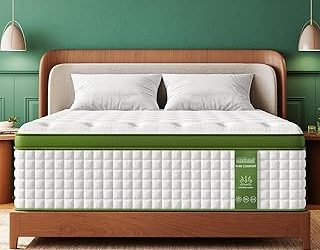
LETMOON Luxury 12-Inch Hotel-Level Hybrid
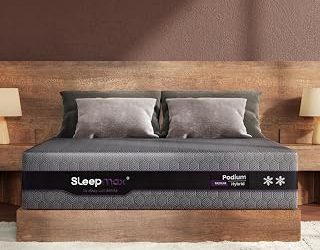
The strongest all-rounder here: gel memory foam over 7-zone pocket springs gives it hotel-style structure without the sink, and the fiberglass-free build removes a common worry with budget boxed beds. At 12 inches it fits standard sheets easily, and the 365-night trial is unusually generous for the price bracket.
Sweetnight CoolNest 14-Inch Cooling Memory Foam
Built around temperature first, with breathable foam layers and 5-zone ergonomic support in a medium feel that lands close to neutral for couples who disagree on firmness. It is the pick for hot sleepers who still want the close, cradling contour of foam rather than the lift of coils.
Novilla Bliss 14-Inch Gel Memory Foam
A well-judged balance of cushioning and targeted zoning, aimed squarely at lower-back complaints. Side and combination sleepers get shoulder relief without losing lumbar reinforcement, and the CertiPUR-US foams keep off-gassing brief.
Novilla Bliss Cooling with Cool-Touch Nylon Cover
Effectively the Bliss with the thermal problem addressed at the surface: the nylon cover feels genuinely cool on contact, which changes how the first half hour in bed feels. Choose this version over the standard Bliss if you sleep warm or your bedroom faces afternoon sun.
16-Inch Upgraded Luxury Hybrid, Medium Firm
The most substantial build in the group, with 7-zone support and strong motion isolation in a medium-firm profile that suits heavier sleepers and back sleepers well. Budget for deep-pocket sheets, and confirm your bed frame height, because 16 inches sits tall on an upholstered platform.
Frequently Asked Questions
How thick should a king mattress be?
Twelve to fourteen inches covers most sleepers comfortably. Go thicker, toward 16 inches, if either partner is over roughly 230 pounds or you want more pronounced edge support; stay slimmer if your frame is already high or you use a bunkie board.
Is a hybrid worth the extra cost over foam?
If you sleep on your back or stomach, share the bed with someone significantly heavier, or dislike the enclosed feel of memory foam, yes. Pure side sleepers of average build often prefer foam and save money doing it.
How long does a boxed mattress take to expand?
Most reach full shape within 24 to 48 hours, though the surface can feel firm for the first week. Unbox in a ventilated room and give it a day before making the bed.
Does a king need a center support rail?
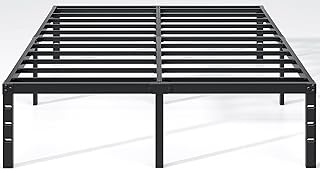
Yes. King frames should have a center beam with at least one leg to the floor, and slats spaced no more than about three inches apart. Skipping it sags the middle and voids most warranties.
Final Thoughts
For most bedrooms, the LETMOON 12-inch hybrid is the smartest buy, pairing zoned coil support with a fiberglass-free build and a year-long trial. Hot sleepers should look at the Sweetnight CoolNest for its breathability-first design, while heavier couples who want real lift and edge stability will get more from the 16-inch luxury hybrid.