Key takeaways
- Fill weight over stated thickness: Loft photographs well but compresses fast. Look for overfilled down-alternative or cotton fill held in baffle-box or quilted channels, which keeps the fiber from migrating toward the edges after a few weeks of use.
- Pocket depth math: Measure your mattress, then add the topper’s own height. A 14″ mattress plus a 3″ topper needs at least an 18″ pocket. Ranges like 8–21″ give you room for a mattress protector underneath without straining the skirt.
- Fiber, not marketing, drives temperature: Viscose and rayon derived from bamboo move moisture quickly and feel cool to the touch. Cotton percale-style tops breathe steadily and stay cooler than microfiber over a full night. Skip laminated or waterproof-backed toppers if heat is your main complaint.
- Match plushness to your sleep position: Side sleepers benefit from deeper cushioning at the shoulder and hip. Back and stomach sleepers usually want a firmer, denser layer, since too much give tilts the pelvis and undoes the point of adding support.
- Care realities at king scale: A king topper is bulky wet. Confirm it’s machine washable at home rather than dry-clean only, and check that elastic is a full skirt or four sturdy anchor straps so it survives repeated laundering.
What's inside
A king mattress is the largest soft surface in most homes, which makes it the one that shows its age first. Sixteen square feet of sleep surface means more places for compression to settle, more air trapped between layers, and more variation in how firm the bed feels from one side to the other. Add a pillow-top hotel mattress to the mix and the fitted sheets stop reaching, or a cooling gel layer that runs warm by 3 a.m., and the fix starts to feel less obvious than it should.
A topper is the least disruptive way to change how a bed feels without replacing it, but the category is crowded with near-identical listings and vague fill claims. This guide breaks down what actually matters at king size, where deep-pocket construction and fill distribution behave differently than they do on a queen, then walks through the toppers worth considering in 2026 for hot sleepers, back pain, and beds that have gone flat in the middle.
As an Amazon Associate we earn from qualifying purchases.


How to Choose a King Size Mattress Topper in 2026
- Fill weight over stated thickness: Loft photographs well but compresses fast. Look for overfilled down-alternative or cotton fill held in baffle-box or quilted channels, which keeps the fiber from migrating toward the edges after a few weeks of use.
- Pocket depth math: Measure your mattress, then add the topper’s own height. A 14″ mattress plus a 3″ topper needs at least an 18″ pocket. Ranges like 8–21″ give you room for a mattress protector underneath without straining the skirt.
- Fiber, not marketing, drives temperature: Viscose and rayon derived from bamboo move moisture quickly and feel cool to the touch. Cotton percale-style tops breathe steadily and stay cooler than microfiber over a full night. Skip laminated or waterproof-backed toppers if heat is your main complaint.
- Match plushness to your sleep position: Side sleepers benefit from deeper cushioning at the shoulder and hip. Back and stomach sleepers usually want a firmer, denser layer, since too much give tilts the pelvis and undoes the point of adding support.
- Care realities at king scale: A king topper is bulky wet. Confirm it’s machine washable at home rather than dry-clean only, and check that elastic is a full skirt or four sturdy anchor straps so it survives repeated laundering.
The Best King Size Mattress Toppers Reviewed
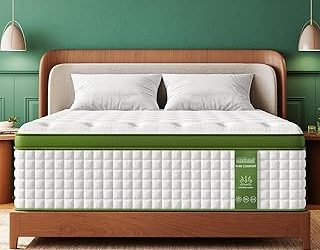
Niagara Sleep Solution Ultra Soft & Cooling Bamboo Topper
The rayon-from-bamboo surface is the standout here, shedding warmth quickly and feeling smooth rather than slick, with a 20″ pocket that handles most pillow-top kings without stretching thin at the corners. The muted green colorway is an unexpectedly good match for layered, neutral bedding, and Niagara’s 100% Cotton Top version is the pick if you prefer a crisper hand and a plain white base.
ELEMUSE Extra Thick Pillowtop Topper
This is the most cushioned option in the group, with heavily overfilled down-alternative clusters that read as genuine pillow-top rather than a thin quilted pad. Best suited to side sleepers and anyone trying to soften a mattress that has become too firm, though its loft may be more than back sleepers want.
BEDLORE Viscose Bamboo Pillow Top
BEDLORE’s stretch pockets fit anything from 6″ to 18″, which makes it the most flexible choice if you’re topping a platform bed or a guest mattress of unknown height. The dark gray finish hides wear well, and the viscose bamboo face keeps surface temperature down without the cold, plasticky feel of gel-infused alternatives.
EASELAND Cotton Pillow Top Mattress Pad
A quilted cotton-top pad with a boxed stitch pattern that holds fill in place better than most, sized true at 78×80 inches with an 8–21″ pocket. It adds moderate cushioning rather than dramatic height, which makes it the sensible pick if you mainly want protection and a slightly softer surface.
SameBed Extra Thick Cooling Topper
SameBed splits the difference between plush and breathable, pairing overfilled down-alternative fill with a cover that vents better than its thickness suggests. The 8–21″ pocket and secure elastic make it a reliable choice for tall mattress-and-protector stacks.
Frequently Asked Questions
Will a topper fix a sagging mattress?
It will mask a shallow dip and even out surface feel, but it cannot restore lost core support. If you can see a visible valley or feel coils, the mattress itself needs replacing.
How thick should a king topper be?
Two to three inches suits most sleepers. Go thicker for side sleeping or pressure relief at the hips, and stay thinner if you sleep on your back or stomach and want to preserve spinal alignment.
Do toppers work with deep or pillow-top mattresses?
Yes, provided you match the pocket depth to your combined height. Deep-pocket sheets in the 18–21″ range are worth buying alongside the topper, since standard fitted sheets will pop off corners overnight.
How often should I wash it?
Every two to three months is reasonable, or monthly if you sleep hot. Wash cold, tumble dry low with dryer balls to redistribute the fill, and make sure it’s fully dry before it goes back on the bed.
Final Thoughts
For most king beds, the Niagara Sleep Solution Bamboo Topper is the balanced pick, pairing genuine cooling performance with enough loft to change how the bed feels. Choose the ELEMUSE Extra Thick Pillowtop if you want maximum cushioning for side sleeping or a mattress that has grown too firm, and the EASELAND Cotton Pillow Top if breathable, washable protection with a modest lift is closer to what your bed actually needs.