Key takeaways
- Match thickness to the sleeper, not the room: 6 to 8 inches is genuinely comfortable for children, petite adults, and occasional guests. Adults over roughly 180 pounds, and side sleepers of any weight, want 10 to 12 inches so the comfort layer has somewhere to compress before it hits the base.
- Read firmness through your sleep position: Side sleepers need enough give at the shoulder and hip to keep the spine straight, which points to medium. Back and stomach sleepers do better on medium-firm to firm, where the midsection stays supported instead of sinking.
- Look for cooling built into the structure: Gel beads, bamboo charcoal, and open-cell foam all help, but a quilted or pillow-top surface and a breathable knit cover move more heat than an infusion alone. Hybrids with a coil core ventilate best in this price band.
- Insist on certifications and a fiberglass-free cover: CertiPUR-US confirms the foam was made without formaldehyde, heavy metals, or certain flame retardants. Fiberglass-free construction matters because a torn zip cover on a fiberglass-lined mattress turns into an expensive cleanup.
- Check the trial, warranty, and setup reality: Bed-in-a-box compression makes delivery painless, but expansion takes 24 to 72 hours. A 100-night trial and a 10-year warranty signal the maker expects the foam to hold its shape, which is the single best proxy for density you cannot see.
What's inside
Budget memory foam has a reputation problem, and it was earned honestly. A decade ago, the sub-$400 tier meant a slab of low-density foam that slept hot, developed a body-shaped trough by month eight, and arrived smelling like a new tire. Buyers still carry that memory, which is why the cheap-mattress aisle feels like a gamble even when the specs look reasonable on paper.
The category has quietly caught up. Gel infusions, charcoal and green tea additives, CertiPUR-US foam certification, and fiberglass-free covers are now table stakes at prices that used to buy a mattress topper. This guide covers the low-price memory foam mattresses worth putting in a guest room, a first apartment, a kid’s bunk, or a primary bedroom on a tight refresh budget, plus the specs that actually predict whether a mattress will still feel good in year three.
As an Amazon Associate we earn from qualifying purchases.


How to Choose a Low Price Memory Foam Mattress (2026)
- Match thickness to the sleeper, not the room: 6 to 8 inches is genuinely comfortable for children, petite adults, and occasional guests. Adults over roughly 180 pounds, and side sleepers of any weight, want 10 to 12 inches so the comfort layer has somewhere to compress before it hits the base.
- Read firmness through your sleep position: Side sleepers need enough give at the shoulder and hip to keep the spine straight, which points to medium. Back and stomach sleepers do better on medium-firm to firm, where the midsection stays supported instead of sinking.
- Look for cooling built into the structure: Gel beads, bamboo charcoal, and open-cell foam all help, but a quilted or pillow-top surface and a breathable knit cover move more heat than an infusion alone. Hybrids with a coil core ventilate best in this price band.
- Insist on certifications and a fiberglass-free cover: CertiPUR-US confirms the foam was made without formaldehyde, heavy metals, or certain flame retardants. Fiberglass-free construction matters because a torn zip cover on a fiberglass-lined mattress turns into an expensive cleanup.
- Check the trial, warranty, and setup reality: Bed-in-a-box compression makes delivery painless, but expansion takes 24 to 72 hours. A 100-night trial and a 10-year warranty signal the maker expects the foam to hold its shape, which is the single best proxy for density you cannot see.
The Best Low Price Memory Foam Mattress (2026)s Reviewed
Lucid 12″ Gel Memory Foam
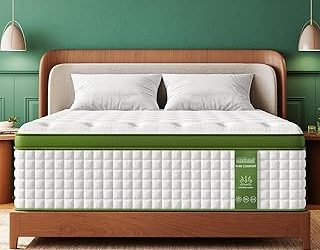
The most complete build in the budget tier: a full 12 inches with bamboo charcoal and gel working together on odor and heat, plus fiberglass-free construction and CertiPUR-US foam. Medium firm here reads as genuinely neutral, which makes it the safest pick for couples who sleep in different positions.
FATHOM 12″ Medium Memory Foam
Aimed squarely at back discomfort, with a gel foam comfort layer over a supportive base that keeps the lumbar curve from collapsing. The removable, fiberglass-free cover is the standout practical detail, and it makes this an easy recommendation for anyone who has been sleeping on a sagging spring set.
Vibe 12″ Quilted Hybrid
The choice for hot sleepers who still want contour. An innerspring core moves air in a way all-foam beds cannot, and the quilted pillow top adds surface softness without the trapped-heat sensation. Edge support is noticeably better than foam-only rivals at this price, which matters on a smaller bed.
Best Price Mattress 10″ Cooling Gel
A clean, unfussy medium-firm foam bed with certified-safe foams and fabric, and the best value per inch in this lineup. Ideal for a guest room you want to feel considered rather than improvised.
Kin by Tuft & Needle 8″ Firm
Adaptive foam rather than traditional slow-response memory foam, so it feels buoyant and cool instead of sinking. The firm 8-inch build suits back and stomach sleepers, teens, and daybeds, and the 100-night trial with a 10-year limited warranty is unusually generous at this price.
Frequently Asked Questions
How long should a low-price memory foam mattress last?
Expect six to eight years of good service from a certified 10- to 12-inch model used nightly, and longer in a guest room. Rotating it head to foot twice a year meaningfully extends that window.
Do I need a box spring?
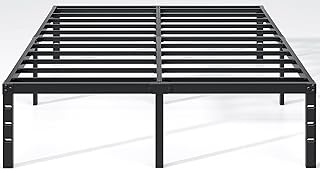
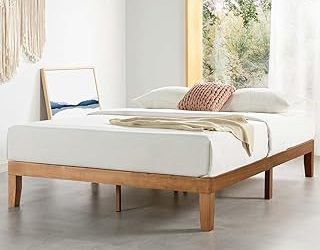
No. Foam mattresses need a flat, continuous surface: a platform bed, a bunkie board, or a slatted frame with gaps under three inches. Slats spaced wider than that will telegraph through the foam and void most warranties.
How long until it feels normal?
Give it 24 to 72 hours to reach full loft and a week or two for your body to adjust. Any new-foam smell should fade within a few days in a ventilated room.
Which thickness works for a bunk or trundle?
Stick to 6 to 8 inches so the guard rail stays effective and the mattress clears the frame. The Best Price Mattress 6-inch green tea foam twin was designed for exactly this job.
Final Thoughts
For a primary bedroom, the Lucid 12″ gel memory foam offers the most balanced build for the money, while the Vibe quilted hybrid is the smarter call if heat is your main complaint. If the bed is for a teen, a daybed, or a firm-preference sleeper, the Kin by Tuft & Needle 8″ delivers the most reassuring trial and warranty in the category.