Key takeaways
- Height versus total bed stack: Add your mattress depth to the foundation height, then to your bed frame deck if you use one. Most people find 24 to 26 inches from floor to mattress top the sweet spot for sitting and standing, so a 12-inch mattress pairs cleanly with a 3-inch base while a slimmer 8-inch mattress benefits from 5 inches.
- Weight capacity with real headroom: Look for 3,000 lbs or higher. That figure is a static rating, not a promise about dynamic load, so treating it as generous overbuild rather than a target keeps the steel from flexing over years of use.
- Slat spacing and mattress warranty: Foam and hybrid manufacturers typically require support gaps under 3 inches. Wider spacing lets foam sag between slats and can void coverage, so check the spec before you buy rather than after a claim gets denied.
- Noise control at the joints: Squeaks come from metal-on-metal contact, not the steel itself. Welded or bolted assemblies with felt pads and interlocking joints stay silent, while thin friction-fit designs are the ones that start talking six months in.
- Cover and corner finish: If the foundation will be visible below a duvet, a fitted fabric cover reads far more intentional than exposed metal. Rounded corners also spare your bedding and your shins, which matters more in tight walkways than spec sheets suggest.
What's inside
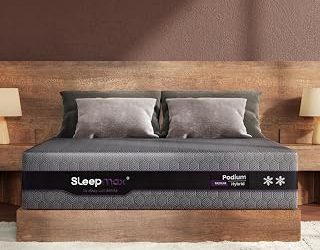
The average mattress has gotten taller. Pillow tops, hybrid coil-and-foam stacks, and 14-inch plush builds have quietly turned a lot of beds into climbing exercises — and paired with a traditional 9-inch box spring, the sleep surface can end up sitting closer to 30 inches off the floor. That throws off the proportions of a bedroom fast: nightstands look stunted, headboards get swallowed, and getting in and out of bed stops feeling effortless. For anyone working with low ceilings, a sculptural upholstered frame, or an attic room with a sloped wall, the math simply stops working.
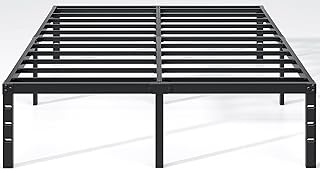
A low profile box spring solves it without asking you to replace anything you already own. At 3 to 5 inches tall, these steel foundations deliver the flat, evenly distributed support a modern mattress warranty requires, then get out of the way visually. This guide covers what actually separates a good one from a rattling disappointment — weight capacity, slat spacing, corner construction, and cover quality — and reviews the models worth your attention in 2026, from ultra-slim 3-inch platforms to slightly taller 5-inch options with finished fabric wraps.
As an Amazon Associate we earn from qualifying purchases.


How to Choose a Low Profile Box Spring (2026)
- Height versus total bed stack: Add your mattress depth to the foundation height, then to your bed frame deck if you use one. Most people find 24 to 26 inches from floor to mattress top the sweet spot for sitting and standing, so a 12-inch mattress pairs cleanly with a 3-inch base while a slimmer 8-inch mattress benefits from 5 inches.
- Weight capacity with real headroom: Look for 3,000 lbs or higher. That figure is a static rating, not a promise about dynamic load, so treating it as generous overbuild rather than a target keeps the steel from flexing over years of use.
- Slat spacing and mattress warranty: Foam and hybrid manufacturers typically require support gaps under 3 inches. Wider spacing lets foam sag between slats and can void coverage, so check the spec before you buy rather than after a claim gets denied.
- Noise control at the joints: Squeaks come from metal-on-metal contact, not the steel itself. Welded or bolted assemblies with felt pads and interlocking joints stay silent, while thin friction-fit designs are the ones that start talking six months in.
- Cover and corner finish: If the foundation will be visible below a duvet, a fitted fabric cover reads far more intentional than exposed metal. Rounded corners also spare your bedding and your shins, which matters more in tight walkways than spec sheets suggest.
The Best Low Profile Box Springs Reviewed (2026)
QEROMY 3 Inch Low Profile Box Spring, Queen
The cleanest entry point into the slim category: a genuinely 3-inch steel platform that assembles in minutes and stays quiet under a heavy hybrid. Best suited to taller mattresses where every inch of height reduction counts.
DORITRON 3 Inch Low Profile Box Spring, Full
A 3,000 lb rating on a full-size footprint is meaningful overbuild, and it shows in how little this base flexes near the edges — a common weak point on budget foundations. A smart choice for guest rooms and teen bedrooms that see irregular but occasionally rough use.
Snaye Low Profile Queen Box Spring, 3 Inch
Snaye’s version competes closely with the QEROMY on paper but tends to feel more locked-together once assembled, thanks to tighter joint tolerances. If you have had a foundation creak on you before, this is the reassuring pick.
MAF 5 Inch Queen Box Spring with Cover
The most design-conscious option here: rounded corners, a 3,500 lb capacity, and a fitted black cover that lets the base disappear under bedding instead of announcing itself. The extra two inches make it the right call for slimmer mattresses that would otherwise sit too low.
ALDRICH Low Profile Box Spring, Full, 3 Inch
The wipe-clean cover is the standout detail, making this the practical answer for households with kids, pets, or allergy concerns. Non-slip surfacing keeps the mattress from creeping toward the footboard, which is a small thing until it isn’t.
Frequently Asked Questions
Do I still need a bed frame with a low profile box spring?
Not necessarily. Most of these steel foundations are engineered to sit directly on the floor or inside an existing frame. Placing one on the floor gives you the lowest possible profile, though a few inches of clearance improves airflow beneath the mattress.
Will a low profile box spring make my mattress feel firmer?
Slightly, in most cases. Traditional box springs contained actual coils that added a little give, while these are rigid platforms. The result is a firmer, more consistent feel — usually a benefit for foam and hybrid mattresses, which are designed around a flat foundation.
Is 3 inches or 5 inches better?
It depends entirely on your mattress. Pair 3 inches with mattresses 12 inches and taller, and 5 inches with mattresses in the 8 to 11 inch range. Aim for a finished mattress-top height near knee level when standing.
How hard is assembly?
Genuinely easy. Most of these ship folded or in a few interlocking sections and go together in 10 to 20 minutes with minimal tools. Snug every fastener fully — partially tightened joints are the leading cause of later noise.
Final Thoughts
For most queen sleepers with a tall hybrid or pillow-top mattress, the Snaye 3 Inch is the balanced pick: quiet, well-braced, and truly slim. If your mattress is on the thinner side or the foundation will be visible, the MAF 5 Inch with its covered, round-corner build looks the most finished in a styled bedroom. In full size, the DORITRON 3 Inch offers the most structural confidence for the money.