Key takeaways
- Thickness, matched to purpose: Two inches refines an already-decent mattress. Three inches is the sweet spot for meaningful pressure relief. Four inches transforms a too-firm bed but will swallow shallow-pocket sheets, so plan your bedding accordingly.
- Fill material over marketing language: Memory foam contours and holds; gel-infused foam does the same with a cooler surface; cotton and down-alternative pillow tops add buoyant loft rather than deep cradling. Decide which sensation you’re missing before you shop.
- Heat management: Look for open-cell or ventilated foam structures, wave or channel texturing, and breathable natural-fiber covers. Dense unbroken foam slabs trap body heat no matter what the listing promises.
- Anchoring and fit: Deep elasticized skirts suit pillow-top styles; foam slabs need a non-slip base or a snug encasement sheet. A topper that migrates overnight undoes every other virtue it has.
- Certifications and care: CertiPUR-US and OEKO-TEX marks confirm low-emission foams and tested textiles. Machine-washable covers or fully washable pads are the difference between a three-year and a seven-year investment.
What's inside
The mattress you committed to three years ago is rarely the mattress your body wants now. Sleep positions shift, shoulders and hips get more particular, and the foam that felt cloud-like in the showroom quietly compresses into something closer to a firm handshake. Replacing the whole thing is a four-figure decision. Recalibrating it with a topper costs a fraction of that, and — critically — it is reversible.
Below is our curated shortlist for 2026, drawn from the categories that actually matter in a well-considered bedroom: dense memory foam for pressure relief, gel-infused layers for hot sleepers, and old-fashioned cotton pillow tops for people who want loft without the sink. We break down what separates a genuinely luxurious topper from a padded mattress protector, then walk through our top picks and who each one suits.
As an Amazon Associate we earn from qualifying purchases.



How to Choose a Luxury Mattress Topper (2026)
- Thickness, matched to purpose: Two inches refines an already-decent mattress. Three inches is the sweet spot for meaningful pressure relief. Four inches transforms a too-firm bed but will swallow shallow-pocket sheets, so plan your bedding accordingly.
- Fill material over marketing language: Memory foam contours and holds; gel-infused foam does the same with a cooler surface; cotton and down-alternative pillow tops add buoyant loft rather than deep cradling. Decide which sensation you’re missing before you shop.
- Heat management: Look for open-cell or ventilated foam structures, wave or channel texturing, and breathable natural-fiber covers. Dense unbroken foam slabs trap body heat no matter what the listing promises.
- Anchoring and fit: Deep elasticized skirts suit pillow-top styles; foam slabs need a non-slip base or a snug encasement sheet. A topper that migrates overnight undoes every other virtue it has.
- Certifications and care: CertiPUR-US and OEKO-TEX marks confirm low-emission foams and tested textiles. Machine-washable covers or fully washable pads are the difference between a three-year and a seven-year investment.
The Best Luxury Mattress Toppers of 2026, Reviewed
Cotton Extra Thick Pillow Top Mattress Pad
A 100% cotton top and generous overstuffed fill deliver plush loft that breathes rather than insulates, making this the natural choice for hot sleepers who dislike the enveloped feeling of foam. It also washes at home, which quietly makes it the most practical pick here for guest rooms and kids’ beds.
TEMPUR-Adapt Supreme 3″ Memory Foam Topper
This is the reference standard, and the price reflects genuine material quality: TEMPUR foam responds to body heat with a slow, precise contour that cheaper visco-elastic blends only approximate. Best for side sleepers with shoulder or hip pressure points, or anyone hoping to buy several more good years from a firm mattress.
Linenspa 2″ Gel Memory Foam Topper
The most restrained option on the list, and deliberately so — two inches of gel-infused foam softens a firm surface without altering the bed’s fundamental character or sheet fit. An excellent low-commitment starting point if you’re unsure how much foam you actually want.
Lucid 4″ Gel Memory Foam Topper
Four ventilated, gel-infused inches produce an unmistakably plush, sink-in feel, which is why this one performs so well on dorm mattresses, older guest beds, and any surface that has gone unforgivingly hard. Pair it with deep-pocket sheets and expect a day or two of off-gassing before it settles.
JSELF 3″ Dual-Layer Gel Memory Foam Topper
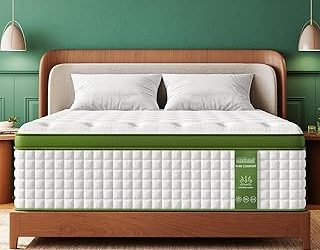
The most thoughtfully engineered value pick: a dual-density build puts supportive foam beneath a wave-textured contact layer, so pressure relief arrives without the bottoming-out common at this price. The Bekaert fabric cover, non-slip base, and dual CertiPUR-US and OEKO-TEX certifications round out an unusually complete specification.
Frequently Asked Questions
Can a topper fix a sagging mattress?
No. A topper redistributes surface pressure but cannot restore lost structural support, so a visible dip or broken coil will still telegraph through. If your mattress sags, the topper is a stopgap, not a repair.
Do gel-infused toppers genuinely sleep cooler?
Modestly, yes — gel helps dissipate heat, but airflow does more of the work. Ventilated or textured foam paired with a breathable cover outperforms a flat gel slab, and cotton pillow tops remain the coolest category overall.
What if I want plushness without memory foam?
Down-alternative pillow tops are the answer. Overstuffed hypoallergenic options like the Hospitology deep-pocket topper give you cushioned loft and a hotel-bed silhouette while staying entirely washable.
How long should a quality topper last?
Three to five years for mid-range foam, longer for premium formulations like TEMPUR. Rotate it seasonally, keep it in a breathable protector, and never leave foam compressed under a heavy mattress pad for extended periods.
Final Thoughts
If budget allows, the TEMPUR-Adapt Supreme remains the most convincing upgrade in the category and the one most likely to still feel good in year five. The JSELF 3″ dual-layer topper is our value standout, delivering considered engineering at a fraction of that cost, while the cotton extra thick pillow top is the pick for hot sleepers who want loft, breathability, and a topper they can simply throw in the wash.