Key takeaways
- Firmness, calibrated to your sleep position: Medium-firm is the reliable middle for back and combination sleepers, since it resists hip sink without flattening the lumbar curve. Strict side sleepers usually want a touch more give at the shoulder; strict stomach sleepers want firmer still.
- Support type: All-foam beds excel at pressure relief and motion isolation, which suits light sleepers and couples. Hybrids add encased coils for edge stability and a more responsive push-back that heavier sleepers tend to need.
- Zoning: Look for five-zone or targeted lumbar reinforcement. A single uniform slab treats your shoulders and your pelvis identically, and they weigh nothing alike.
- Heat management: Foam that softens as it warms loses the support you paid for. Copper or graphite infusions, gel layers, and breathable covers all help the bed hold its shape overnight.
- Certifications and trial length: CertiPUR-US and fiberglass-free construction are baseline expectations now. A long sleep trial matters more than the marketing, because spinal adjustment often takes three to four weeks.
What's inside
Back pain rarely announces itself at 2 a.m. It shows up in the first thirty seconds of standing, in the stiffness that follows you to the coffee maker, in the small negotiation you make with your own spine before you’ve even opened the blinds. A mattress can’t undo a desk job or a decade of bad chairs, but it can stop working against you. The wrong surface lets your hips sink out of alignment or props your lower back into a shallow arch all night, and eight hours of that adds up.
This guide looks at mattresses through a spine-first lens: how a bed distributes load across the shoulders, hips, and lumbar curve, and whether it keeps doing that in year three. We’ve focused on beds you can order in a box, unroll in a bedroom, and actually live with, with an emphasis on medium-firm builds, zoned support, fiberglass-free construction, and trial periods long enough to matter. Below are our current picks, followed by what to weigh before you commit.
As an Amazon Associate we earn from qualifying purchases.


How to Choose a Mattress For Back Aches (2026)
- Firmness, calibrated to your sleep position: Medium-firm is the reliable middle for back and combination sleepers, since it resists hip sink without flattening the lumbar curve. Strict side sleepers usually want a touch more give at the shoulder; strict stomach sleepers want firmer still.
- Support type: All-foam beds excel at pressure relief and motion isolation, which suits light sleepers and couples. Hybrids add encased coils for edge stability and a more responsive push-back that heavier sleepers tend to need.
- Zoning: Look for five-zone or targeted lumbar reinforcement. A single uniform slab treats your shoulders and your pelvis identically, and they weigh nothing alike.
- Heat management: Foam that softens as it warms loses the support you paid for. Copper or graphite infusions, gel layers, and breathable covers all help the bed hold its shape overnight.
- Certifications and trial length: CertiPUR-US and fiberglass-free construction are baseline expectations now. A long sleep trial matters more than the marketing, because spinal adjustment often takes three to four weeks.
The Best Mattress For Back Aches (2026)s Reviewed
EGOHOME 14″ Copper Gel Memory Foam
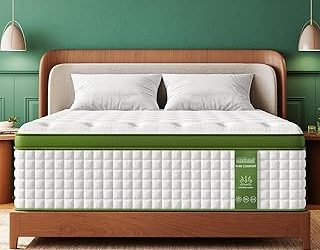
This is the pick we’d hand to someone whose main complaint is lower-back ache: a medium-firm 14-inch profile with a supportive transition layer under copper-gel foam, so your hips stay level while the top surface still yields at the shoulder. The graphene-infused cover and chiropractic endorsement are meaningful signals here, and motion isolation is strong enough that a restless partner stops being a factor.
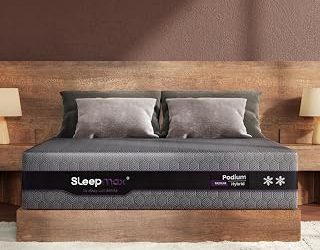
Sleepmax 14″ Hybrid
A well-judged hybrid for back-and-side combination sleepers, pairing pressure-relieving foam with coils that push back when you shift position mid-night. The 365-night trial is unusually generous, which is exactly what you want when you’re testing whether a bed actually fixes a chronic ache.
Sealy Dreamlife 14″ Hybrid
Sealy’s encased-coil system delivers the firmest, most stable feel in this group, with gel memory foam smoothing the transition so it never reads as harsh. Choose it if you’re heavier, sleep near the edge, or have historically found all-foam beds too enveloping.
Nectar 12″ Memory Foam
The safest bet for someone who isn’t sure what they need. Its medium-firm foam build cradles without swallowing, the year-long trial removes the guesswork, and it’s a genuinely easy mattress to place in a guest room, rental, or primary bedroom alike.
Sweetnight CoolNest 14″
Five-zone ergonomic support is the story here, with distinct firmness bands under the shoulders, lumbar region, and hips rather than one uniform feel. It sleeps notably cooler than most thick foam beds, making it a strong king-size choice for couples who run warm.
Frequently Asked Questions
Is a firm mattress always better for back pain?
No. Very firm surfaces can leave a gap under the lumbar curve and concentrate pressure at the shoulders and hips. Research and clinical guidance generally point toward medium-firm as the better default, with adjustments based on your weight and sleep position.
How long until a new mattress helps?
Give it two to four weeks. Your body adapts to whatever it slept on before, and a short-term increase in stiffness during that window is common. If pain is worse past a month, the firmness is likely wrong for you.
Foam or hybrid for back aches?
Foam if you prioritize contouring, quiet, and motion isolation. Hybrid if you want stronger edge support, easier repositioning, and more pushback, which heavier sleepers and stomach sleepers usually prefer.
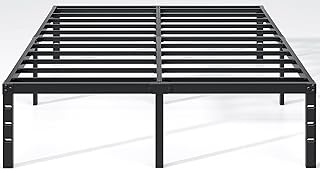
Do I need a new foundation?
Possibly. Foam and hybrid mattresses need a solid or closely slatted base, with slats no more than about three inches apart. An old sagging box spring will undermine even an excellent mattress.
Final Thoughts
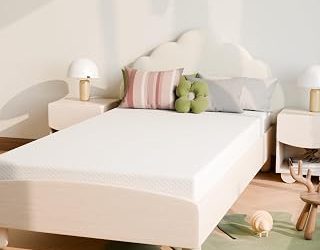
For most people dealing with persistent lower-back ache, the EGOHOME 14″ copper gel model is the most complete answer: correct firmness, real cooling, and a long-haul support core. The Sealy Dreamlife is the one to choose if you need firmer, coil-driven stability, while the Nectar 12″ remains the low-risk entry point thanks to its year-long trial. And if you’re outfitting a guest room or a kid’s bed on a tighter budget, the Lucid 10″ gel memory foam mattress covers the basics without cutting corners on certification. If your pain is severe or persistent, loop in a clinician before treating a mattress as the fix.