Key takeaways
- Support core over comfort feel: A plush top layer means nothing if the layer beneath it bottoms out. Look for high-density polyfoam or pocketed coils with a lower gauge number (thicker wire), and treat 12 inches as the practical minimum loft, 14 inches as the safer target.
- Foam density, not foam thickness: Memory foam at 3.5 lb/ft³ or higher resists permanent compression far better than low-density foam of the same depth. Density is what separates a bed that lasts eight years from one that develops body impressions in eight months.
- Edge support you can sit on: Reinforced perimeter coils or high-density foam rails keep the usable sleep surface at full width and make getting in and out of bed less of a production. Weak edges are the most common complaint among heavier sleepers.
- Heat management built into the materials: More body mass means more heat and deeper foam contact. Gel infusions, copper or graphene-treated covers, and an airflow-friendly coil unit all help more than a marketing name suggests.
- Read the warranty’s sag clause: Many warranties only cover indentations over 1.5 inches measured without weight on the bed, which excludes exactly the failure heavier sleepers experience. A 10-year term with a 0.75-inch threshold is meaningfully better than a 20-year term with a generous one. Confirm your foundation meets the slat-spacing requirement too, usually 3 inches or less.
What's inside
Most mattresses sold online are quietly engineered around a hypothetical sleeper who weighs about 175 pounds. That single design assumption explains why heavier bodies so often end up disappointed: the comfort layer compresses to nothing within months, the perimeter folds when you sit to tie your shoes, and the “medium firm” you ordered sleeps like a hammock by year two. Add trapped heat from foam that’s working overtime under more load, and a mattress that reviewed beautifully for someone else becomes a nightly negotiation with your lower back.
This guide approaches the problem from a specification standpoint rather than a marketing one. We looked at foam density, coil count and gauge, reinforced edge construction, total loft, and warranty sag thresholds, because those are the variables that actually determine whether a bed holds its shape under 250, 350, or 500 pounds of combined weight. Below are six mattresses that hold up structurally, followed by a buying framework and answers to the questions that come up most often.
As an Amazon Associate we earn from qualifying purchases.


How to Choose a Mattress For Big Person (2026)
- Support core over comfort feel: A plush top layer means nothing if the layer beneath it bottoms out. Look for high-density polyfoam or pocketed coils with a lower gauge number (thicker wire), and treat 12 inches as the practical minimum loft, 14 inches as the safer target.
- Foam density, not foam thickness: Memory foam at 3.5 lb/ft³ or higher resists permanent compression far better than low-density foam of the same depth. Density is what separates a bed that lasts eight years from one that develops body impressions in eight months.
- Edge support you can sit on: Reinforced perimeter coils or high-density foam rails keep the usable sleep surface at full width and make getting in and out of bed less of a production. Weak edges are the most common complaint among heavier sleepers.
- Heat management built into the materials: More body mass means more heat and deeper foam contact. Gel infusions, copper or graphene-treated covers, and an airflow-friendly coil unit all help more than a marketing name suggests.
- Read the warranty’s sag clause: Many warranties only cover indentations over 1.5 inches measured without weight on the bed, which excludes exactly the failure heavier sleepers experience. A 10-year term with a 0.75-inch threshold is meaningfully better than a 20-year term with a generous one. Confirm your foundation meets the slat-spacing requirement too, usually 3 inches or less.
The Best Mattresses For a Big Person (2026), Reviewed
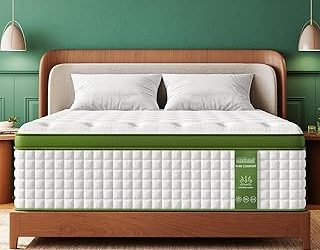
EGOHOME 14″ King Memory Foam
A rare all-foam build that earns a place on this list, thanks to a dense support core and copper-gel infusion that keeps the surface from turning swampy under load. The graphene-cool-tech cover and ICA endorsement make it a strong pick for side sleepers with back pain who want contouring without the bounce of coils.
BedStory 14″ Hybrid King
This is the most purpose-built option here: zoned lumbar reinforcement and individually pocketed springs specifically rated for heavier sleepers, backed by a 10-year no-sag warranty. If your primary fear is a trench forming down the middle of the bed, this is the construction that addresses it directly.
Sweetnight CoolNest 14″ King
Five-zone ergonomic support means the shoulder and lumbar regions respond differently, which matters more as body weight increases and pressure concentrates unevenly. It sleeps genuinely cool for an all-foam bed and lands in a true medium, making it the diplomatic choice for couples with different builds.
14″ Full XL Hybrid with Pocket Springs
The standout feature is edge support that holds firm right to the seam, unusual in a narrower Full XL footprint where every inch of surface counts. Gel memory foam over pocketed coils delivers pressure relief without the sink-and-stay feeling of older foam designs.
12″ Full XL Cooling Gel Hybrid
A slimmer, fiberglass-free option for platform frames, adjustable bases, or guest rooms where 14 inches would overwhelm the space. The soft knit cooling cover and CertiPUR-US foams keep the material story clean, though heavier sleepers over roughly 300 pounds will get more longevity from the 14-inch builds above.
Frequently Asked Questions
Is foam or hybrid better for a heavier sleeper?
Hybrids generally win on durability and edge support because steel coils recover from compression better than foam does. High-density all-foam beds like the EGOHOME are still viable, particularly if you dislike bounce, but check that the support core is dense rather than simply thick.
How thick should the mattress be?
Aim for 12 inches minimum and 14 inches if your weight exceeds roughly 250 pounds. Extra loft gives the comfort layers room to contour without pressing you into the firm support core underneath.
Will my current bed frame work?
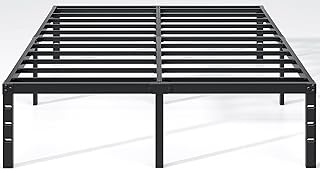
Possibly not. Slats spaced more than 3 inches apart allow sagging regardless of mattress quality, and many warranties are voided by inadequate support. A center-supported platform frame or a plywood-reinforced foundation is worth the modest cost.
How often will I need to replace it?
Expect six to eight years from a well-specified hybrid under heavier use, compared with the eight to ten often quoted for average-weight sleepers. Rotating the mattress head to foot every three to four months noticeably extends that window.
Final Thoughts
For most shoppers, the BedStory 14″ Hybrid is the safest structural bet, built explicitly for heavier bodies with a warranty that reflects it. Choose the EGOHOME 14″ if you prefer deep foam contouring with serious cooling technology, or the Sweetnight CoolNest 14″ if you share the bed and need a balanced medium feel that works for two different builds.