Key takeaways
- Build height: Look for 13 to 18 inches total. Depth buys you a taller support core and a thicker transition layer, which is what stops you from feeling the springs or the floor of the foam.
- Support core quality: Individually pocketed coils in a lower gauge (thicker wire) push back harder and recover faster than thin springs. In all-foam beds, high-density polyfoam in the base matters more than the marketing on the top layer.
- Perimeter reinforcement: Firmer edge coils or a foam encasement protect the outer six inches of the bed. Without it, a king sleeps like a queen and getting in and out becomes a workout.
- Firmness, adjusted: Feel scales with body weight. A medium-firm rated for average sleepers often lands closer to medium under more load, so most heavier sleepers are better served by extra-firm or firm hybrids.
- Heat management: More contact area means more trapped warmth. Gel or copper-infused foams, graphene covers, and open coil layers all help, but airflow through the coil unit does the heaviest lifting.
What's inside
Most mattresses are engineered around a phantom sleeper: roughly 175 pounds, back-sleeping, evenly distributed. Anyone carrying more weight learns quickly how narrow that design window really is. Comfort layers bottom out within months, the perimeter folds when you sit to tie your shoes, and a hip-height valley forms exactly where the spine needs the most support. Warranty language rarely helps, since most sag clauses only trigger at an inch or more of permanent impression, long after the bed stopped doing its job.
The fix is structural, not cosmetic. Higher-weight sleepers need a deeper build with a genuine support core, denser foams that resist creep, and a reinforced perimeter that keeps the usable sleep surface as wide as the mattress itself. Below are six beds that hold their geometry under real load, along with the specs worth checking before you commit and the base requirements that quietly make or break long-term durability.
As an Amazon Associate we earn from qualifying purchases.


How to Choose a Mattress For Fat People (2026)
- Build height: Look for 13 to 18 inches total. Depth buys you a taller support core and a thicker transition layer, which is what stops you from feeling the springs or the floor of the foam.
- Support core quality: Individually pocketed coils in a lower gauge (thicker wire) push back harder and recover faster than thin springs. In all-foam beds, high-density polyfoam in the base matters more than the marketing on the top layer.
- Perimeter reinforcement: Firmer edge coils or a foam encasement protect the outer six inches of the bed. Without it, a king sleeps like a queen and getting in and out becomes a workout.
- Firmness, adjusted: Feel scales with body weight. A medium-firm rated for average sleepers often lands closer to medium under more load, so most heavier sleepers are better served by extra-firm or firm hybrids.
- Heat management: More contact area means more trapped warmth. Gel or copper-infused foams, graphene covers, and open coil layers all help, but airflow through the coil unit does the heaviest lifting.
The Best Mattress For Fat People (2026)s Reviewed
EGOHOME 14″ Copper Gel Memory Foam
A rare all-foam build that earns a spot here, thanks to a dense support base and copper-infused layers that resist the slow sink cheaper foam develops. The graphene-treated cover pulls heat away at the surface, making it the pick for couples who want near-total motion isolation without giving up support.
Luxury Hotel 18″ Hybrid
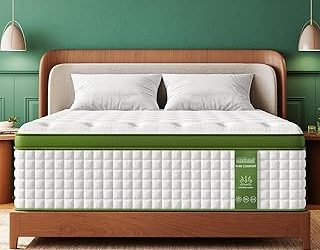
At 18 inches, this is the most substantial build on the list, pairing pocket springs with cooling gel memory foam and a reinforced perimeter that genuinely holds its shape. The plush-but-supported feel reads like a well-appointed hotel suite, and the 365-night trial gives you a full seasonal cycle to judge it.
BedStory Extra Firm 14″ Hybrid
Purpose-built resistance to sagging, with a firm spring core tuned for lumbar and hip support rather than surface softness. Choose this if your last mattress developed a trench and you want the opposite problem, not a repeat.
14″ Extra Firm Spinal Alignment Hybrid
A no-frills hybrid focused squarely on keeping hips and shoulders in line, with enough coil pushback to keep a heavier midsection from dropping. Best suited to back and stomach sleepers who read most beds as too soft.
Sweetnight CoolNest 14″
Five-zone construction firms up under the lumbar region while easing off at the shoulders, a smart approach for side sleepers who need pressure relief without a plush surface. The breathability upgrades make it the coolest-sleeping memory foam option here.
Frequently Asked Questions
Is firmer always better for heavier sleepers?
Firmer is usually safer, but not automatically better. Side sleepers still need some give at the shoulder and hip, which is why zoned or hybrid designs often outperform a uniformly rigid slab.
Will a foam mattress last, or should I go hybrid?
Hybrids generally hold up longer under sustained load because steel recovers better than foam. A high-density foam bed like the EGOHOME can absolutely work, but the base foam density is the number to trust.
What kind of base do I need?
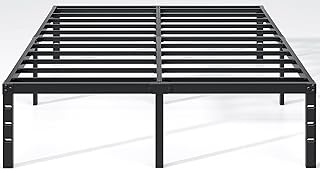
Slats no more than three inches apart, with a center support leg on queen and king sizes. An unsupported platform or a sagging box spring will void most warranties and undo an otherwise good mattress.
How often should I expect to replace it?
Six to eight years is realistic with a well-built hybrid and proper support. Rotate it head to foot every three months to spread wear evenly.
Final Thoughts
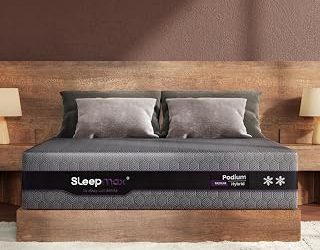
For most buyers, the Luxury Hotel 18″ Hybrid offers the best combination of depth, edge support, and cooling, with a trial period long enough to be meaningful. If you want maximum resistance to sagging, the BedStory Extra Firm is the more disciplined choice, while the Sleepmax 14″ Queen Hybrid delivers similar engineering at a friendlier footprint for smaller rooms.