Key takeaways
- Support core over surface plush: Look for pocketed coils or high-density base foam carrying at least two-thirds of the total loft. A 14-inch bed with 10 inches of soft foam will bottom out; a 14-inch hybrid with a proper coil unit will not.
- Zoned reinforcement: Five- and seven-zone constructions firm up under the lumbar and hips, where load concentrates. This keeps the spine level instead of letting the midsection dictate the shape of the whole mattress.
- Edge support you can sit on: Reinforced perimeter coils or a dense foam rail determine whether the usable sleep surface matches the mattress dimensions. Without it, you lose four to six inches on every side.
- Heat management, not just cooling claims: Greater body mass means more heat and deeper compression, which traps it. Coil airflow plus gel infusion or an open-cell top layer works better than gel alone.
- Warranty language, read closely: Check the impression depth threshold, usually 0.75 to 1.5 inches. That single number tells you more about expected durability than any marketing copy, and a long trial window gives your body time to adapt.
What's inside
Most mattresses are engineered around a statistical fiction: a sleeper who weighs somewhere in the mid-100s and distributes that weight politely. If you carry more than that, you already know how the fiction collapses. Comfort layers that felt plush in the showroom compress to nothing within months. Hips drift below shoulders, lumbar support disappears, and the perimeter gives way the moment you sit down to tie your shoes. The bed does not fail dramatically. It just quietly stops doing its job, and you wake up negotiating with your lower back.
Support for a heavier body is a structural question, not a comfort preference. It comes down to coil gauge, foam density, how the loft is divided between cushioning and support core, and whether the edges are reinforced or decorative. This guide looks at six mattresses in a box that hold their geometry under real load, explains the specs worth reading before you buy, and flags where the trade-offs sit between cooling, firmness, and motion isolation.
As an Amazon Associate we earn from qualifying purchases.


How to Choose a Mattress For Heavier Person (2026)
- Support core over surface plush: Look for pocketed coils or high-density base foam carrying at least two-thirds of the total loft. A 14-inch bed with 10 inches of soft foam will bottom out; a 14-inch hybrid with a proper coil unit will not.
- Zoned reinforcement: Five- and seven-zone constructions firm up under the lumbar and hips, where load concentrates. This keeps the spine level instead of letting the midsection dictate the shape of the whole mattress.
- Edge support you can sit on: Reinforced perimeter coils or a dense foam rail determine whether the usable sleep surface matches the mattress dimensions. Without it, you lose four to six inches on every side.
- Heat management, not just cooling claims: Greater body mass means more heat and deeper compression, which traps it. Coil airflow plus gel infusion or an open-cell top layer works better than gel alone.
- Warranty language, read closely: Check the impression depth threshold, usually 0.75 to 1.5 inches. That single number tells you more about expected durability than any marketing copy, and a long trial window gives your body time to adapt.
The Best Mattresses For Heavier People (2026), Reviewed
Luxury Hotel 18-Inch King Hybrid
The tallest build here, pairing pocket springs with cooling-gel memory foam and extra edge reinforcement, which makes it the most confident pick for higher weights. The medium-firm surface reads plush without sacrificing the deep support that keeps hips from dropping.
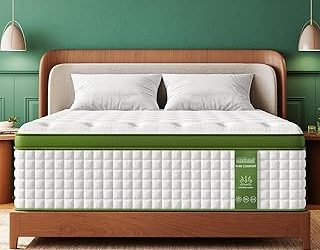
BedStory Firm 14-Inch King Hybrid
A genuinely firm hybrid with zoned lumbar support, built in the USA and backed by a ten-year warranty. If back pain is the driving concern and you prefer sleeping on the mattress rather than in it, this is the most direct answer.
16-Inch Luxury Hybrid with 7-Zone Support
Seven support zones and strong motion isolation make this the smart choice for couples with different body weights, where one sleeper’s movement usually telegraphs across the bed. The medium-firm feel lands in useful middle ground for combination sleepers.
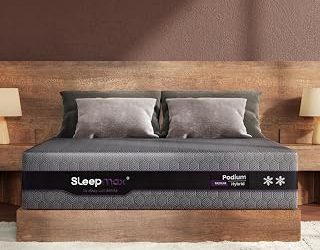
Sleepmax 14-Inch Queen Hybrid
A well-balanced hybrid tuned for back and side sleepers, with pressure relief that holds up better than most beds in its bracket. Fiberglass-free construction and a full-year trial add real peace of mind.
Sweetnight CoolNest 14-Inch King
An all-foam option with five-zone ergonomic support and serious attention to breathability, aimed at hot sleepers who want contouring rather than bounce. Best suited to the lower end of the heavier-sleeper range, where foam density can still carry the load.
Frequently Asked Questions
Is a hybrid always better than memory foam?
For higher body weights, usually yes. Coils resist compression more durably than foam and provide airflow, so hybrids tend to keep their shape longer and sleep cooler.
How firm should the mattress be?
Medium-firm is the practical default. A heavier body compresses any surface further than a lighter one, so what feels firm on paper often reads as medium once you are lying on it.
Does mattress height matter?
It matters because it allows a thicker support core. Look for 14 inches minimum, with 16 to 18 inches giving the most headroom for reinforced coils and a comfort layer that survives the first year.
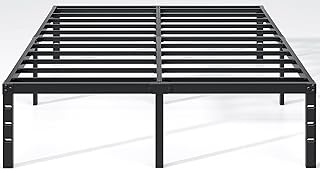
Do I need a specific foundation?
Yes. Slats should sit no more than three inches apart, and queen and king sizes need a center support leg. An underspecified frame is the most common cause of premature sagging.
Final Thoughts
For most heavier sleepers, the Luxury Hotel 18-Inch Hybrid offers the deepest support reserve and the most reliable edges, while the BedStory Firm 14-Inch is the sharper pick if firmness and lumbar relief top your list. Couples splitting the difference should look hard at the 16-Inch 7-Zone Hybrid, which handles mismatched weights with unusual composure.