Key takeaways
- Profile height: Aim for 12 to 14 inches minimum. Taller builds give the comfort layers room to cushion without bottoming out onto the support core, which is the single most common cause of that “sleeping on plywood by 3 a.m.” feeling.
- Support core quality: Look for pocketed coils in a zoned layout or high-density foam rated above 1.8 lb/ft³. Zoned lumbar and hip reinforcement matters more as weight increases, since those areas load the surface hardest.
- Edge support: Reinforced perimeter coils or firmer foam rails determine whether you can sit on the mattress to tie your shoes without the edge collapsing. It also protects the usable width of a shared bed.
- Firmness calibration: Medium-firm behaves softer under greater weight, so what reads as medium for a 140-pound sleeper often lands closer to plush at 250. Sizing up one firmness step is usually the right call.
- Heat management: Larger bodies contact more surface area, which traps more heat. Gel or copper infusions, graphene covers, and breathable pillow-top layers all help, but airflow through the coil layer does the heaviest lifting.
What's inside
Weight is the variable most mattress marketing quietly ignores. Sleep on a bed built for a 150-pound body at 250 or 300 pounds and the physics change entirely: foams compress past their support layer, edges roll off under a seated hip, and the tidy 12-inch profile you saw in the showroom photo becomes a shallow hammock by month eight. The sagging isn’t a defect so much as a spec mismatch, and it shows up first as lower-back stiffness, then as a visible dip in the sheet line.
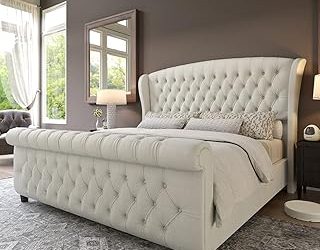
This guide looks at mattresses engineered for higher body weight and larger frames: taller profiles, denser cores, reinforced perimeters, and cooling systems that actually keep up with a body that generates more heat. Each pick below is judged on structural durability first and comfort second, because in this category the two are the same conversation. We’ve also flagged how each bed sits visually in a room, since a 14-inch mattress changes the proportions of a low platform bed more than most people expect.
As an Amazon Associate we earn from qualifying purchases.


How to Choose a Mattress For Large People (2026)
- Profile height: Aim for 12 to 14 inches minimum. Taller builds give the comfort layers room to cushion without bottoming out onto the support core, which is the single most common cause of that “sleeping on plywood by 3 a.m.” feeling.
- Support core quality: Look for pocketed coils in a zoned layout or high-density foam rated above 1.8 lb/ft³. Zoned lumbar and hip reinforcement matters more as weight increases, since those areas load the surface hardest.
- Edge support: Reinforced perimeter coils or firmer foam rails determine whether you can sit on the mattress to tie your shoes without the edge collapsing. It also protects the usable width of a shared bed.
- Firmness calibration: Medium-firm behaves softer under greater weight, so what reads as medium for a 140-pound sleeper often lands closer to plush at 250. Sizing up one firmness step is usually the right call.
- Heat management: Larger bodies contact more surface area, which traps more heat. Gel or copper infusions, graphene covers, and breathable pillow-top layers all help, but airflow through the coil layer does the heaviest lifting.
The Best Mattresses For Large People (2026) Reviewed
EGOHOME 14″ Copper Gel Memory Foam
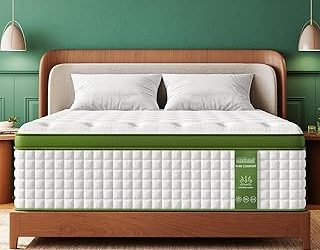
A genuinely well-specified all-foam option at 14 inches, with copper-gel infusion and a graphene cover doing real work on heat retention, the usual weakness of foam for heavier sleepers. Fiberglass-free construction and CertiPUR-US foams make it an easy recommendation for anyone who wants close contouring and near-total motion isolation.
BedStory 14″ Zoned Hybrid
The zoned lumbar section is the standout here: firmer coils through the midsection resist the hip-and-waist dip that ruins most hybrids under sustained load. It’s the most balanced pick on this list for couples with a meaningful weight difference between sleepers.
Sweetnight CoolNest Hybrid Pillow Top
Seven-zone coil support paired with a pillow top gives you plush surface feel without the structural give that usually comes with it. Best suited to hot sleepers who want cushioning at the shoulders and hips but need the coil layer holding the line underneath.
BedStory Extra Firm Hybrid
The firmest option here and the right answer for stomach sleepers or anyone above roughly 275 pounds who has never found a bed that stays level. Extra hip and lumbar reinforcement plus a 365-night trial makes this a low-risk way to test whether firmer is what your back has been asking for.
Sweetnight CoolNest Memory Foam
A five-zone foam build that reads medium rather than plush, which is the correct choice in this weight class. Choose it over the hybrid if you share a bed with a light sleeper and want the quietest, most motion-absorbing surface available.
Frequently Asked Questions
How thick should a mattress be for a heavier person?
Twelve inches is the practical floor and 14 inches is the safer target. The extra thickness sits in the comfort layers, giving them enough material to compress through without transmitting your weight straight to the support core.
Is memory foam or hybrid better for larger bodies?
Hybrids generally last longer and offer stronger edge support thanks to their coil systems. Memory foam wins on motion isolation and pressure relief, so it’s the better pick if you share a bed and prefer a contoured, enveloping feel.
Will a smaller size like Full XL work?
A Full XL suits single sleepers in tight rooms and gives you the extra length without a queen footprint, but its narrower width limits shifting room. For two people, a king remains the more sensible investment.
How long should a mattress last under higher weight?
Expect six to eight years from a well-built hybrid and slightly less from all-foam. Rotating the mattress head-to-foot every three months and using a slat frame with gaps under three inches meaningfully extends that window.
Final Thoughts
For most buyers, the BedStory 14″ Zoned Hybrid is the smartest all-round choice: proper coil zoning, honest edge support, and a firmness level that holds up. Heat-sensitive sleepers who prefer foam should look at the EGOHOME 14″ Copper Gel, and anyone who needs maximum structure under a heavier frame will be best served by the BedStory Extra Firm Hybrid.