Key takeaways
- Profile depth: Aim for 12 inches minimum and 14 inches ideally. Deeper builds give the support core room to work, so your body is held by springs or high-density base foam rather than compressed comfort layers.
- Support core type: Individually pocketed coils generally outperform all-foam cores at higher weights, particularly for couples with a significant weight gap. Zoned lumbar reinforcement adds firmness exactly where hip and lower-back load concentrates.
- Foam density over foam feel: A soft surface is fine if the material underneath is dense. Look for CertiPUR-US certification as a baseline, and treat vague “premium foam” claims with skepticism when no density figure is given.
- Heat management: Larger sleepers make deeper contact with the surface, which traps more heat. Gel infusions, copper or graphene-treated covers, and pillow-top airflow channels all help, but breathable coil layers do the most work.
- Trial window and warranty terms: Sagging usually appears between months six and eighteen. A long sleep trial plus a warranty that specifies an acceptable impression depth is worth more than a headline firmness rating.
What's inside
Mattress shopping gets harder the moment your body weight passes the threshold that most spec sheets quietly assume. Comfort layers that feel plush in a showroom compress differently under 250, 300, or 400 pounds, and a “medium firm” label means very little once the foam beneath it starts to bottom out. The result is a familiar frustration: a bed that felt supportive for three months develops a hip-shaped valley by month eight, and the back pain it was supposed to solve comes back with interest.
What actually matters for heavier sleepers is structural: total profile, coil gauge and count, the density of the foam sitting above the support core, and how well the whole assembly sheds heat once you sink into it rather than resting on top. This guide walks through the specifications worth checking before you buy, then reviews the mattresses that hold their shape best under real load, from reinforced pocket-spring hybrids to high-density copper and graphene foam builds.
As an Amazon Associate we earn from qualifying purchases.


How to Choose a Mattress For Larger People (2026)
- Profile depth: Aim for 12 inches minimum and 14 inches ideally. Deeper builds give the support core room to work, so your body is held by springs or high-density base foam rather than compressed comfort layers.
- Support core type: Individually pocketed coils generally outperform all-foam cores at higher weights, particularly for couples with a significant weight gap. Zoned lumbar reinforcement adds firmness exactly where hip and lower-back load concentrates.
- Foam density over foam feel: A soft surface is fine if the material underneath is dense. Look for CertiPUR-US certification as a baseline, and treat vague “premium foam” claims with skepticism when no density figure is given.
- Heat management: Larger sleepers make deeper contact with the surface, which traps more heat. Gel infusions, copper or graphene-treated covers, and pillow-top airflow channels all help, but breathable coil layers do the most work.
- Trial window and warranty terms: Sagging usually appears between months six and eighteen. A long sleep trial plus a warranty that specifies an acceptable impression depth is worth more than a headline firmness rating.
The Best Mattress For Larger People (2026)s Reviewed
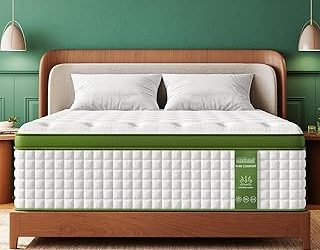
EGOHOME 14 Inch Copper Gel Memory Foam Mattress
A rare all-foam build that earns its place here, thanks to a dense support base beneath the copper-infused comfort layers and a graphene-treated cover that keeps surface temperature in check. The medium-firm response suits back sleepers carrying weight through the lumbar region, and the fiberglass-free, ICA-endorsed construction is reassuring for anyone wary of budget foam shortcuts.
Sweetnight CoolNest Hybrid 14 Inch
The seven-zone coil layout is the standout feature: firmer springs through the midsection resist hip sink while the shoulder zone stays forgiving for side sleepers. Layered cooling in the pillow top means it sleeps notably cooler than its plush surface suggests, making it a strong pick for hot sleepers who still want cushioning.
BedStory 14 Inch Hybrid
Purpose-built for heavier bodies, with reinforced pocket springs and zoned lumbar support aimed squarely at preventing the center-sag that ruins cheaper hybrids. Edge stability is solid, which matters if you sit on the perimeter to dress or sleep close to the side of the bed.
Full XL 12 Inch Cooling Gel Hybrid
The most practical answer for a single larger sleeper in a compact bedroom, adding four inches of length over a standard full without the footprint of a queen. Gel memory foam over a coil core delivers genuine support at a modest depth, and motion isolation is better than the price point implies.
Sweetnight CoolNest 14 Inch Memory Foam
For those who prefer the enveloping feel of foam to the lift of springs, the five-zone ergonomic layout distributes weight more evenly than a uniform slab. Medium feel and strong breathability make it a good compromise bed for couples with differing firmness preferences.
Frequently Asked Questions
What firmness works best for heavier sleepers?
Medium firm is the reliable middle ground. Softer surfaces feel appealing initially but compress too far, while extra-firm beds create pressure points at the shoulders and hips. Firmness is also relative to body weight, so a bed rated medium firm will feel a step softer at higher weights.
Is a hybrid always better than all-foam?
Usually, but not always. Hybrids offer better long-term resilience and airflow. A well-engineered high-density foam mattress like the EGOHOME can match that support while isolating motion more completely.
Do I need a special foundation?
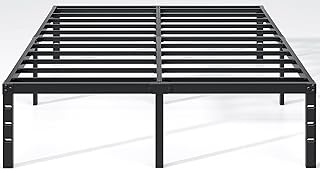
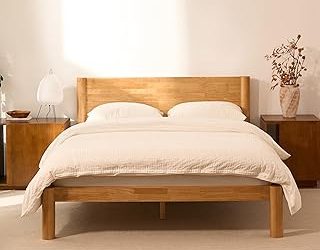
Yes, in most cases. Slats should sit no more than three inches apart, and queen or larger sizes need a center support leg. An underbuilt frame will cause sagging that gets blamed on the mattress.
How long should a mattress last under heavier use?
Expect six to eight years from a quality hybrid and slightly less from all-foam. Rotating head to foot every three months meaningfully extends that window.
Final Thoughts
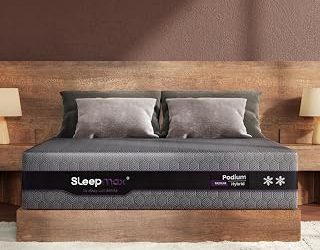
For most larger sleepers, the BedStory 14 Inch Hybrid is the safest structural bet, with reinforced coils and zoned lumbar support designed for sustained load. The Sweetnight CoolNest Hybrid is the better choice if heat is your main complaint, and the EGOHOME copper gel model is the one to pick if you want the contouring feel of memory foam without sacrificing support beneath it. The Sleepmax Queen Hybrid also deserves a look for its unusually generous 365-night trial.