Key takeaways
- Go tall, not soft: Aim for 12 inches minimum, and 14 inches if you’re over 250 pounds. Extra height means more comfort layer above the support core, so you sink into cushioning rather than through it. Thin 8-inch profiles work for lighter sleepers and guest rooms, not primary beds.
- Read the support core, not the feel label: Pocketed coils with reinforced perimeters handle load better than all-foam builds at the same price. If you prefer foam, look for high-density base layers rather than a generic “support foam” spec sheet.
- Firmness runs softer than advertised: A medium-firm rated for average weight often behaves like a medium-soft under heavier load. Buy one notch firmer than the feel you think you want, especially if you’re a back or stomach sleeper.
- Prioritize active cooling: More body contact means more trapped heat. Copper or graphene-infused covers, gel-bead memory foam, and open-cell zoning move heat away meaningfully better than a plain quilted panel.
- Check edge support before anything else: Weak perimeters are the first failure point. Encased coil systems and firm foam rails let you use the full sleep surface and make getting in and out of bed far less of a production.
What's inside
Shopping for a mattress when you carry more weight than the average sleep-study participant is an exercise in decoding marketing language. Most beds are engineered around a 150- to 180-pound sleeper, so the “medium firm” that reviewers rave about can collapse into a hammock under 250 or 300 pounds. Edges give way when you sit down to tie your shoes. Foam that felt plush in month one develops a body-shaped trench by month eight. The result is lower-back compression, overheating, and the distinct feeling that you bought someone else’s mattress.
What actually matters is structural: coil gauge and count, foam density, total height, and how the perimeter is reinforced. This guide breaks down the specs worth checking before you click buy, then walks through six mattresses-in-a-box that hold up better than their price tags suggest for heavier bodies. Sizes range from twin to king, and every pick here is fiberglass-free or CertiPUR-US certified, which matters more than any comfort claim.
As an Amazon Associate we earn from qualifying purchases.


How to Choose a Mattress for a Larger Person (2026)
- Go tall, not soft: Aim for 12 inches minimum, and 14 inches if you’re over 250 pounds. Extra height means more comfort layer above the support core, so you sink into cushioning rather than through it. Thin 8-inch profiles work for lighter sleepers and guest rooms, not primary beds.
- Read the support core, not the feel label: Pocketed coils with reinforced perimeters handle load better than all-foam builds at the same price. If you prefer foam, look for high-density base layers rather than a generic “support foam” spec sheet.
- Firmness runs softer than advertised: A medium-firm rated for average weight often behaves like a medium-soft under heavier load. Buy one notch firmer than the feel you think you want, especially if you’re a back or stomach sleeper.
- Prioritize active cooling: More body contact means more trapped heat. Copper or graphene-infused covers, gel-bead memory foam, and open-cell zoning move heat away meaningfully better than a plain quilted panel.
- Check edge support before anything else: Weak perimeters are the first failure point. Encased coil systems and firm foam rails let you use the full sleep surface and make getting in and out of bed far less of a production.
The Best Mattresses for Larger People (2026), Reviewed
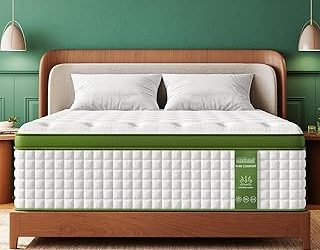
EGOHOME 14″ Copper Gel Memory Foam
The strongest all-foam option here for heavier sleepers, thanks to a genuinely thick 14-inch profile and a copper-gel and graphene cover combination that keeps surface temperature in check. It’s ICA-endorsed and fiberglass-free, and the motion isolation is excellent if you share the bed with a restless partner.
14″ Hybrid Full XL in a Box
A rare find in Full XL, this hybrid pairs pocket springs with cooling gel memory foam for the kind of layered support that all-foam beds struggle to match at 54×80. The extra five inches of length make it a smart pick for taller, broader sleepers stuck in a narrow bedroom footprint.
Sealy Dreamlife 12″ Hybrid
Sealy’s SealyResponsive encased coil system is the reason this one earns a spot: individually wrapped springs handle concentrated weight without transferring it across the bed. The Surface-Guard treatment and gel memory foam comfort layer make it the most conventionally reliable pick on the list.
Sweetnight CoolNest 14″ King
Five-zone ergonomic support means the lumbar region is deliberately firmer than the shoulder and hip zones, which is exactly what larger side sleepers need to keep the spine neutral. At 14 inches with a medium feel, it splits the difference between contouring and structure.
Vibe Quilted Hybrid 12″
An innerspring core with a quilted pillow top gives this one a traditional bounce that foam skeptics tend to prefer, and the coil base pushes back where memory foam would yield. It’s the value play here, and it’s fiberglass-free and CertiPUR-US certified.
Lucid 8″ Gel Memory Foam Twin
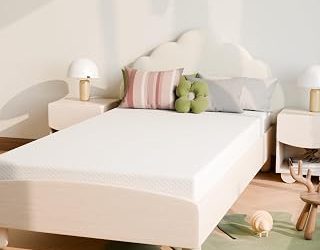
Best understood as a secondary bed rather than a primary one: bamboo charcoal and cooling gel do good work on odor and heat, but 8 inches of foam is thin for sustained heavier use. Ideal for a guest room, bunk, or daybed.
Frequently Asked Questions
How firm should a mattress be for a heavier sleeper?
Medium-firm to firm is the practical range. Firmness perception shifts with body weight, so a bed labeled medium-firm will likely feel medium to you. Back and stomach sleepers should lean firmer; side sleepers can stay at medium-firm provided the mattress is at least 12 inches thick.
Is a hybrid better than all-foam for larger bodies?
Usually, yes. Pocketed coils resist compression over time better than foam and typically deliver stronger edge support. A well-built high-density foam mattress in a 14-inch profile can compete, but budget all-foam beds tend to soften faster under sustained load.
How long should a mattress last?
Expect five to seven years from a quality hybrid, and somewhat less from foam under heavier use. Rotating head-to-foot every three months distributes wear and noticeably delays the formation of body impressions.
Does mattress thickness affect durability?
It affects how durability feels. Thicker comfort layers keep you from bottoming out onto the support core, so the bed maintains its intended feel longer even as the top layers break in. Foam density and coil gauge determine actual lifespan.
Final Thoughts
For most heavier sleepers, the EGOHOME 14″ Copper Gel is the best all-around pick, combining real thickness with the most serious cooling technology in the group. If you’d rather have coils under you, the Sealy Dreamlife 12″ Hybrid delivers dependable encased-coil support with a recognizable name behind it, while the Sweetnight CoolNest 14″ is the one to choose for zoned lumbar support in a king. Any of the three will outlast a standard-issue mattress built for a lighter frame.