Key takeaways
- Prioritize soft to medium-soft: A mattress rated 4 to 6 out of 10 will feel meaningfully firmer to a 120-pound sleeper than the label suggests. If a bed is marketed as medium-firm, expect it to read as firm on your frame, and size down accordingly.
- Look for thick comfort layers: Aim for at least three inches of foam above the support core. Thin comfort layers let lighter sleepers feel the coils or transition foam before the plush surface has done its job.
- Hybrid versus all-foam: Pocketed coil hybrids give you contouring plus easier repositioning and better airflow. All-foam beds cradle more deeply and isolate motion better, which suits solo sleepers and light couples.
- Watch the cooling claims: Because lighter bodies sit higher in the mattress, you generate less trapped heat than heavier sleepers do. Gel infusions and cool-touch covers are a comfort upgrade here, not a necessity.
- Insist on a real trial period: Side-sleep pressure issues surface over weeks, not nights. A 365-night trial and CertiPUR-US certification are the two credentials worth filtering for before you compare anything else.
What's inside
Lightweight side sleepers occupy an awkward corner of the mattress market. Most beds are engineered around an average sleeper of 150 to 200 pounds, which means a person under roughly 130 pounds simply never presses far enough into the comfort layers to activate them. The result is a bed that feels like a plank: the shoulder stays stacked instead of settling, the hip perches on the surface, and the lumbar curve is left unsupported in midair. Waking up with a numb arm or a stiff lower back isn’t a sign of a bad mattress. It’s a sign of a mattress calibrated for someone else’s body.
What lighter side sleepers actually need is a soft-to-medium feel with a genuinely responsive top layer, one that yields under 20 to 30 pounds of localized pressure rather than 60. This guide looks at six boxed mattresses that get that calibration right, spanning plush hybrids with pocketed coil support, all-foam builds tuned for contouring, and cooling constructions for anyone who runs warm. Each pick below is evaluated on surface give, shoulder accommodation, edge stability at lower body weights, and long-term value, plus the trial windows that matter when you’re buying a bed you can’t test in a showroom.
As an Amazon Associate we earn from qualifying purchases.



How to Choose a Mattress For Lightweight Side Sleepers (2026)
- Prioritize soft to medium-soft: A mattress rated 4 to 6 out of 10 will feel meaningfully firmer to a 120-pound sleeper than the label suggests. If a bed is marketed as medium-firm, expect it to read as firm on your frame, and size down accordingly.
- Look for thick comfort layers: Aim for at least three inches of foam above the support core. Thin comfort layers let lighter sleepers feel the coils or transition foam before the plush surface has done its job.
- Hybrid versus all-foam: Pocketed coil hybrids give you contouring plus easier repositioning and better airflow. All-foam beds cradle more deeply and isolate motion better, which suits solo sleepers and light couples.
- Watch the cooling claims: Because lighter bodies sit higher in the mattress, you generate less trapped heat than heavier sleepers do. Gel infusions and cool-touch covers are a comfort upgrade here, not a necessity.
- Insist on a real trial period: Side-sleep pressure issues surface over weeks, not nights. A 365-night trial and CertiPUR-US certification are the two credentials worth filtering for before you compare anything else.
The Best Mattress For Lightweight Side Sleepers (2026)s Reviewed
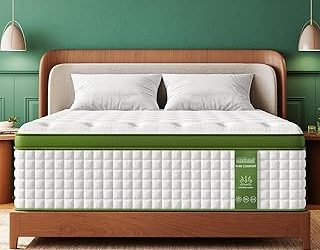
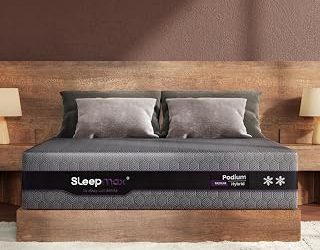
Sleepmax 14 Inch Hybrid Mattress
The extra height here does real work: fourteen inches allows for a deeper comfort stack above the coil unit, so lighter shoulders sink in rather than skimming the surface. It’s fiberglass-free, CertiPUR-US certified, and backed by a 365-night trial, which makes it the most confident all-around choice on this list.
Soft Plush 12 Inch Hybrid Mattress
This is the most explicitly side-sleeper-tuned pick, pairing a genuinely plush gel memory foam surface with pocketed springs that keep the hips from over-sinking. If you’ve bounced off firmer beds and want the softest option that still offers spinal support, start here.
12 Inch Cooling Hybrid Queen Mattress
A medium-firm build with gel memory foam over individually wrapped coils, this one leans supportive rather than cloudlike. Best suited to lightweight sleepers who switch between side and back positions, or anyone who finds very soft beds hard to move on.
Novilla Bliss Cooling Memory Foam Mattress
An all-foam alternative with a cool-touch nylon cover and gel infusion throughout, delivering the deep, quiet cradle that hybrids can’t quite replicate. Motion isolation is excellent, making it a smart pick for light couples or restless partners.
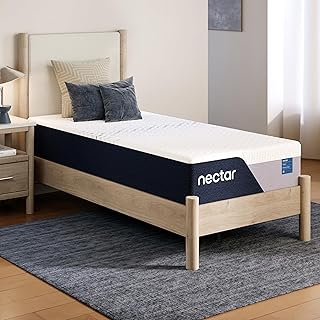
Nectar 12″ Memory Foam Mattress
Nectar’s twin remains the reliability benchmark in boxed foam, with a medium-firm feel that softens noticeably once a lighter body settles in. The full year-long trial and established support infrastructure justify the modest premium over budget rivals.
Frequently Asked Questions
What firmness should a lightweight side sleeper choose?
Soft to medium-soft, roughly 4 to 5.5 on a ten-point scale. Because you apply less force to the surface, a mattress two steps softer than the standard recommendation will typically deliver the alignment you’re after.
Is a hybrid or memory foam mattress better for side sleeping?
Both work. Choose a hybrid if you want responsiveness, airflow, and stronger edges; choose memory foam if you value deep shoulder relief and near-total motion isolation.
How long does a boxed mattress take to expand?
Most reach usable shape within a few hours and full loft in 24 to 72 hours. Give it the full window before judging firmness, since a partially expanded bed always feels denser than it will settle at.
Will a 12-inch mattress be thick enough?
For most lighter sleepers, yes, provided the comfort layers are generous. Thicker builds like a 14-inch hybrid mainly add contouring depth, which helps if you have broad shoulders or sleep strictly on your side.
Final Thoughts
For most lightweight side sleepers, the Sleepmax 14 Inch Hybrid is the strongest overall bet thanks to its deeper comfort stack and yearlong trial. Choose the Soft Plush 12 Inch Hybrid if you want maximum pressure relief at the shoulder, or the Novilla Bliss if you’d rather have the enveloping quiet of an all-foam build with cooling built in. The Sayre 12 Inch Twin is worth a look as a well-made, Oeko-Tex certified option for guest rooms and smaller frames.