Key takeaways
- Profile height: Aim for 12 inches minimum, and 14 inches if you can swing it. Taller beds stack more support material beneath you, so your weight is distributed across layers instead of bottoming out on the base.
- Foam density: Look for memory foam at 4 lb/ft³ or higher and base foam at 1.8 lb/ft³ or better. Low-density foam feels identical on night one and noticeably worse by month eight.
- Coil count and gauge: In hybrids, lower gauge numbers mean thicker, stronger wire. Zoned coil systems that firm up under the lumbar region keep your spine neutral instead of letting your midsection dictate posture.
- Firmness calibration: Medium-firm on a spec sheet sleeps softer under more weight. If you’re between options, size up in firmness rather than down.
- Cooling architecture: More body contact means more trapped heat. Gel infusions, graphene or copper-treated covers, and open-cell breathable layers do measurably more than a marketing claim about a “cool-touch” fabric.
What's inside
Mattress shopping gets harder the moment you stop fitting the industry’s default assumptions. Most beds are engineered around a 150-pound sleeper, which means the plush comfort layers that feel like a cloud in the showroom compress into nothing under a heavier frame. What follows is the familiar cascade: hips sinking below shoulders, lumbar ache by morning, sagging troughs where you sleep, and a warranty claim that gets denied because the indentation missed the threshold by a quarter inch.
The fix is structural, not cosmetic. Bodies over roughly 230 pounds need denser foams, taller profiles, and coil systems built to push back rather than politely yield. This guide breaks down the specs that actually predict durability, then walks through the beds that hold their shape under real load, from a budget-minded hybrid to full-height memory foam builds with cooling tech worth paying for.
As an Amazon Associate we earn from qualifying purchases.


How to Choose a Mattress For Overweight People (2026)
- Profile height: Aim for 12 inches minimum, and 14 inches if you can swing it. Taller beds stack more support material beneath you, so your weight is distributed across layers instead of bottoming out on the base.
- Foam density: Look for memory foam at 4 lb/ft³ or higher and base foam at 1.8 lb/ft³ or better. Low-density foam feels identical on night one and noticeably worse by month eight.
- Coil count and gauge: In hybrids, lower gauge numbers mean thicker, stronger wire. Zoned coil systems that firm up under the lumbar region keep your spine neutral instead of letting your midsection dictate posture.
- Firmness calibration: Medium-firm on a spec sheet sleeps softer under more weight. If you’re between options, size up in firmness rather than down.
- Cooling architecture: More body contact means more trapped heat. Gel infusions, graphene or copper-treated covers, and open-cell breathable layers do measurably more than a marketing claim about a “cool-touch” fabric.
The Best Mattress For Overweight People (2026)s Reviewed
Nectar Luxe 14″ Memory Foam
Nectar’s Luxe uses its full 14 inches intelligently, layering a substantial transition foam between the contour layer and the base so heavier sleepers get cradling without the hammock effect. The Cal King footprint suits taller frames, and the year-long trial gives you enough runway to see how it holds up past the honeymoon phase.
EGOHOME 14″ Copper Gel Memory Foam
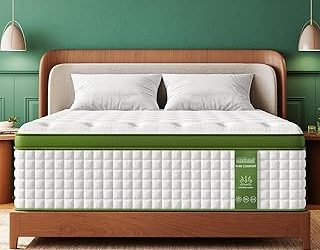
This is the thermal-management pick, pairing copper-infused gel foam with a graphene-treated cover to pull heat away from broad contact areas. It’s fiberglass-free and CertiPUR-US certified, and the medium-firm calibration lands closer to true firm under heavier load, which is exactly what you want for back support.
DreamCloud 12″ Hybrid
The coil-and-foam construction here is the reason to choose it over an all-foam build: the innerspring unit provides genuine pushback and reinforced edges that make sitting on the perimeter feel stable rather than precarious. The 365-night trial is among the most generous in the category, which matters when you’re testing durability rather than first impressions.
Sweetnight CoolNest 14″
Sweetnight’s five-zone ergonomic layout is the standout feature, firming up beneath the hips and lumbar while softening at the shoulders, which prevents the pelvic-drop problem that plagues heavier side sleepers. Enhanced breathability channels through the foam keep the King-size surface from turning into a heat sink.
Linenspa 8″ Hybrid
At 8 inches this is the outlier, and it’s best understood as a guest room, bunk, or dorm solution rather than a primary bed for a heavier sleeper. The steel coil core does give it more backbone than an all-foam mattress at the same price, and the Twin XL medium-firm build is a sensible low-commitment option.
Frequently Asked Questions
How firm should my mattress be if I weigh over 250 pounds?
Target medium-firm to firm. Perceived firmness drops as weight increases, so a mattress rated 6.5 out of 10 for an average sleeper often feels like a 5 under heavier load. Erring firm costs you a little plushness; erring soft costs you spinal alignment.
Are hybrids better than all-foam for heavier bodies?
Generally yes, on two counts: coils resist compression fatigue better than foam over years of use, and they deliver stronger edge support. That said, a high-density all-foam build at 14 inches can outperform a cheaply coiled hybrid.
How long should I expect one of these to last?
Plan on five to seven years for a well-specified bed under heavier use, versus eight to ten for lighter sleepers. Rotating head-to-foot every three months and using a slatted foundation with gaps under three inches will extend that meaningfully.
Does my bed frame actually matter?
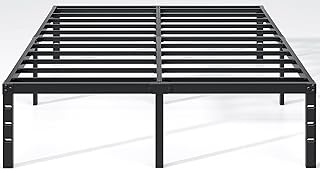
Considerably. A frame without a center support leg or with widely spaced slats will let even an excellent mattress sag, and most warranties are voided by inadequate foundations. Look for a center rail and at least five to six legs on queen and larger.
Final Thoughts
For most heavier sleepers, the DreamCloud 12″ Hybrid is the smartest all-around buy: coil-backed support, strong edges, and a year-long trial to prove itself. If you sleep hot, the EGOHOME 14″ with its copper gel and graphene cover is the better thermal bet, while the Nectar Luxe 14″ makes the case for anyone who wants deep memory-foam contouring without sacrificing structure underneath.