Key takeaways
- Profile height: Aim for 12 inches or more. Taller builds leave room for a genuinely thick support core beneath the comfort layers, which is what prevents the hammocking sensation. Anything under 10 inches is better suited to lighter sleepers or occasional use.
- Support core density: In all-foam mattresses, look for a base foam at 1.8 lb/ft³ or higher. In hybrids, individually pocketed coils in the 13–15 gauge range push back harder and recover faster than thin-gauge springs.
- Firmness that reads accurately: Body weight compresses foam, so a medium-firm mattress often feels a step softer than labeled. Sizing up one notch in firmness is usually the safer bet, especially for back and stomach sleepers.
- Cooling built into the materials: Copper or graphene infusions, gel beads, and breathable knit covers all help, but airflow through a coil unit does more heavy lifting than any single infusion. Deeper compression means less air circulation, so this matters more here than it does for average-weight sleepers.
- Edge support and trial length: Reinforced perimeters make getting in and out easier and keep the usable surface area honest. Pair that with a long sleep trial, since foam takes several months to reveal how it will behave under sustained load.
What's inside
Most mattresses are engineered around an unspoken assumption: a sleeper somewhere near 150 pounds. Push past that and the physics change. Comfort layers compress faster than the spec sheet suggests, the perimeter softens until sitting on the edge feels like a slow slide, and the “medium-firm” you tested in the showroom reads as plush within a year. Add the heat that comes from sinking deeper into foam rather than resting on top of it, and the problem stops being about preference and becomes about structure.
This guide looks at mattresses through that structural lens. We weigh support core density over marketing language, examine how hybrid coil systems distribute load differently than all-foam builds, and note where a thinner profile is still a smart buy for a guest room or a growing kid’s bed. Below you’ll find picks that span budgets and sizes, plus the specs worth checking before anything ships to your door.
As an Amazon Associate we earn from qualifying purchases.


How to Choose a Mattress For Overweight Person (2026)
- Profile height: Aim for 12 inches or more. Taller builds leave room for a genuinely thick support core beneath the comfort layers, which is what prevents the hammocking sensation. Anything under 10 inches is better suited to lighter sleepers or occasional use.
- Support core density: In all-foam mattresses, look for a base foam at 1.8 lb/ft³ or higher. In hybrids, individually pocketed coils in the 13–15 gauge range push back harder and recover faster than thin-gauge springs.
- Firmness that reads accurately: Body weight compresses foam, so a medium-firm mattress often feels a step softer than labeled. Sizing up one notch in firmness is usually the safer bet, especially for back and stomach sleepers.
- Cooling built into the materials: Copper or graphene infusions, gel beads, and breathable knit covers all help, but airflow through a coil unit does more heavy lifting than any single infusion. Deeper compression means less air circulation, so this matters more here than it does for average-weight sleepers.
- Edge support and trial length: Reinforced perimeters make getting in and out easier and keep the usable surface area honest. Pair that with a long sleep trial, since foam takes several months to reveal how it will behave under sustained load.
The Best Mattress For Overweight Person (2026)s Reviewed
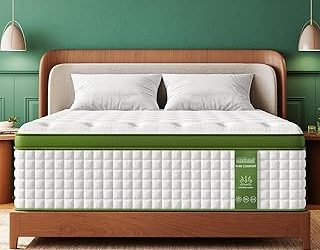
EGOHOME 14″ King Memory Foam
The 14-inch build gives EGOHOME room for a substantial support base under its copper gel and graphene-cooled comfort layers, which is exactly the ratio heavier sleepers need. It is ICA-endorsed and fiberglass-free, and the medium-firm feel holds its shape well for back pain sufferers who want contouring without collapse.
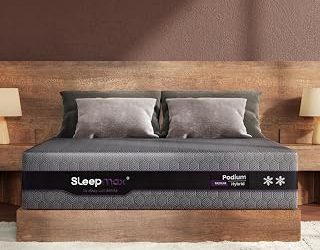
Sleepmax 14″ Queen Hybrid
A pocketed coil core does the structural work here, delivering the responsive pushback that all-foam mattresses struggle to sustain under heavier loads. The 365-night trial is generous enough to see how it performs across a full year of seasonal temperature swings, and it suits combination back-and-side sleepers particularly well.
Nectar 12″ Memory Foam
Nectar remains one of the most reliable all-foam options in this category, with a 12-inch profile and a medium-firm surface that balances pressure relief against support. The year-long trial is unusually long for the price, which matters when you need real time to judge how the foam settles.
Lucid 10″ Gel Memory Foam
Bamboo charcoal and cooling gel keep this one running cooler than its price suggests, and the medium feel works nicely for side sleepers who need hip and shoulder give. At 10 inches it is best matched to lighter frames or twin-size use rather than a primary bed for a heavier adult.
Linenspa 8″ Hybrid
The most budget-conscious pick here, and the coil layer gives it more backbone than most 8-inch mattresses can manage. Treat it as a guest room, bunk bed, or dorm solution rather than a nightly bed for a heavier sleeper.
Frequently Asked Questions
Is a hybrid or all-foam mattress better for heavier sleepers?
Hybrids generally hold an advantage. Steel coils resist compression fatigue better than foam over time and allow more airflow. That said, a well-built all-foam mattress with a dense base and a 12-inch-plus profile performs reliably.
How firm should the mattress be?
Medium-firm to firm is the practical range. Because greater weight compresses each layer further, a mattress labeled medium often lands closer to soft in actual use.
Does the bed frame matter?
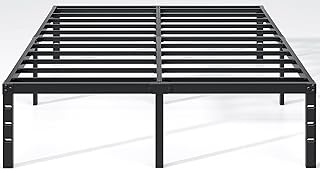
Considerably. Slats spaced wider than three inches allow sagging regardless of mattress quality, and platform beds should have a center support leg. A weak foundation will void most warranties.
How often should the mattress be replaced?
Expect six to eight years rather than the usual ten, and check warranty terms for the indentation depth that qualifies as a defect. Sweetnight’s CoolNest and similar 14-inch builds tend to age more gracefully than thinner models.
Final Thoughts
For a primary bed, the EGOHOME 14″ and the Sleepmax 14″ Hybrid are the two strongest options here: both pair real profile height with support cores designed to stay supportive. If you want a proven all-foam option with a long runway to change your mind, Nectar’s 12″ is the pick.