Key takeaways
- Coils over foam-only, usually: Pocketed spring units push back with force proportional to compression, so they resist deep sagging better than an all-foam stack. Look for zoned lumbar sections and a reinforced perimeter if you sit on the edge to dress.
- Medium-firm with a genuine comfort layer: Aim for a firm support core topped by two to three inches of contouring material. That combination lets the shoulder drop into alignment without the hip following it down.
- Height as a proxy for durability: Fourteen inches or more generally means a taller coil unit and thicker transition foam, which spreads load across more material. Sub-11-inch budget beds rarely last for heavier sleepers.
- Cooling built into the structure: Heavier bodies compress foam more deeply, trapping heat. Graphene, copper-gel infusions, and open-coil airflow all help; a breathable knit cover alone does not.
- Read the trial and the sag clause: A 365-night trial is far more useful than a 100-night one for detecting slow structural failure. Check the warranty’s minimum sag depth — one inch is generous, one and a half is not.
What's inside
Weight above roughly 230 pounds changes the physics of a mattress. Side sleeping concentrates body mass onto two narrow contact zones — the shoulder and the hip — and a bed that feels plush in the showroom often bottoms out under that load, dropping the spine into a hammock curve. The result is a familiar pattern: hip pain by month three, a visible trough by month eight, and a warranty claim that hinges on a sag depth measurement most beds never quite reach. Support and softness are not opposites here, but they do have to be layered in the right order.
This guide looks at hybrids and high-density foam builds that hold their geometry under real weight while still letting the shoulder sink far enough to keep the neck neutral. The selections below prioritize coil gauge and zoning, foam density over foam thickness, edge reinforcement, and cover breathability — the four variables that actually predict how a mattress performs for a heavier side sleeper three years in. Trial windows and certifications are noted where they matter.
As an Amazon Associate we earn from qualifying purchases.


How to Choose a Mattress for Overweight Side Sleepers (2026)
- Coils over foam-only, usually: Pocketed spring units push back with force proportional to compression, so they resist deep sagging better than an all-foam stack. Look for zoned lumbar sections and a reinforced perimeter if you sit on the edge to dress.
- Medium-firm with a genuine comfort layer: Aim for a firm support core topped by two to three inches of contouring material. That combination lets the shoulder drop into alignment without the hip following it down.
- Height as a proxy for durability: Fourteen inches or more generally means a taller coil unit and thicker transition foam, which spreads load across more material. Sub-11-inch budget beds rarely last for heavier sleepers.
- Cooling built into the structure: Heavier bodies compress foam more deeply, trapping heat. Graphene, copper-gel infusions, and open-coil airflow all help; a breathable knit cover alone does not.
- Read the trial and the sag clause: A 365-night trial is far more useful than a 100-night one for detecting slow structural failure. Check the warranty’s minimum sag depth — one inch is generous, one and a half is not.
The Best Mattresses for Overweight Side Sleepers (2026), Reviewed
BedStory 14 Inch Hybrid
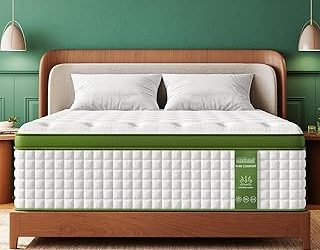
Explicitly engineered for heavier sleepers, with a zoned lumbar band across the middle third of the pocket-spring unit that firms up exactly where hip drop starts. The 10-year warranty and no-sag construction make this the most straightforward pick if durability under load is your first concern.
Beautyrest World Class Level Four Plush
At 15.25 inches this is the tallest option here, and the plush build gives a heavier shoulder somewhere real to go before the support core takes over. Made in the USA with a mature innerspring platform behind it — a sensible choice for anyone who wants a legacy brand rather than a startup roll-pack.
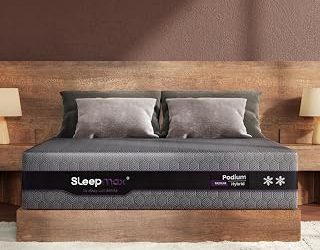
Sleepmax 14 Inch Hybrid
A well-balanced hybrid with pressure-relieving foam over springs and a genuinely long 365-night trial, which is the real value proposition: enough time to see whether the bed holds up past the honeymoon period. Fiberglass-free and CertiPUR-US certified throughout.
Luxury Hotel Cooling Hybrid 14 Inch
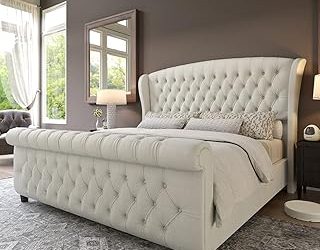
The zoning here is targeted at the three points that matter most for side sleeping — hip, shoulder, and lumbar — with individually wrapped coils isolating movement between partners. The hotel-style finish reads well in a guest room or a minimalist primary bedroom where the bed is the anchor object.
EGOHOME 14 Inch Copper Gel Memory Foam
The strongest all-foam candidate, thanks to copper-gel infusion and a graphene-cool-tech cover working against the heat retention that usually disqualifies memory foam at higher body weights. Medium-firm, ICA-endorsed, and excellent at motion isolation, though a coil bed will still outlast it under sustained heavy use.
Frequently Asked Questions
How firm should a mattress be for a heavier side sleeper?
Medium-firm is the target — around 6 to 7 on a 10-point scale. Firmness perception drops as body weight rises, so a bed rated medium-firm for an average sleeper often feels medium to someone above 230 pounds.
Is memory foam a bad idea at higher body weights?
Not inherently, but density matters more than thickness. Cooling-infused builds like the Sweetnight CoolNest and EGOHOME are designed for this, though hybrids remain the safer long-term bet.
Do I need a specific foundation?
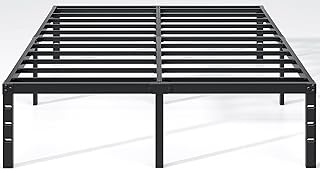
Yes. Slats should sit no more than three inches apart, and queen or larger sizes need a center support leg. Inadequate foundations cause most premature sagging and void most warranties.
How long should these mattresses last?
Expect six to eight years from a quality hybrid under heavier use, versus the eight to ten often quoted for average body weights.
Final Thoughts
For most heavier side sleepers, the BedStory 14 Inch Hybrid is the most sensible starting point — it was built for this load case and prices accordingly. Spend more on the Beautyrest World Class Level Four Plush if you want proven innerspring engineering with a softer surface, or choose the EGOHOME copper-gel foam if motion isolation and a quiet, contouring feel matter more to you than maximum lifespan.