Key takeaways
- Profile depth: Look for 12 to 14.5 inches. Taller builds allow a thicker support core beneath the comfort layers, which is what prevents the sink-through feeling. Under 10 inches, heavier sleepers compress straight to the base.
- Support core construction: Individually pocketed coils outperform all-foam builds for durability at higher body weights. Zoned coil layouts that firm up under the lumbar region while softening at the shoulder are worth the premium for side sleeping specifically.
- Firmness calibration: Medium-firm is the reliable target. Because heavier bodies compress a mattress further, a medium-firm build often feels like a true medium — while a plush-rated bed can read as unsupportive within weeks.
- Heat management: Greater surface contact means more trapped heat. Gel-infused foams, breathable knit covers, and the natural airflow of a coil unit all help; a thick slab of untreated memory foam does not.
- Certifications and trial length: CertiPUR-US foam certification and fiberglass-free construction are baseline safety expectations in 2026. A 120-night trial is adequate; 365 nights gives you a full seasonal cycle to judge whether the support holds.
What's inside
Side sleeping concentrates body weight into two narrow contact zones — the shoulder and the hip — and that pressure math changes dramatically above 230 pounds. A mattress that cradles a lighter sleeper often bottoms out under a heavier frame, letting the hips sink past the shoulders and pulling the lumbar spine out of alignment. The result is a familiar pattern: numb arms, an aching lower back, and a mattress that develops a permanent trench along one side within a year or two.
The fix is not simply “firmer.” Plus size side sleepers need a mattress with a genuinely supportive core — reinforced coils or high-density foam that resists compression — paired with enough surface give to let the shoulder settle without deflecting the spine. This guide covers the specs that predict long-term durability, the cooling features that matter when there is more body mass generating heat, and six hybrid and foam mattresses that hold their shape under real load.
As an Amazon Associate we earn from qualifying purchases.


How to Choose a Mattress For Plus Size Side Sleepers (2026)
- Profile depth: Look for 12 to 14.5 inches. Taller builds allow a thicker support core beneath the comfort layers, which is what prevents the sink-through feeling. Under 10 inches, heavier sleepers compress straight to the base.
- Support core construction: Individually pocketed coils outperform all-foam builds for durability at higher body weights. Zoned coil layouts that firm up under the lumbar region while softening at the shoulder are worth the premium for side sleeping specifically.
- Firmness calibration: Medium-firm is the reliable target. Because heavier bodies compress a mattress further, a medium-firm build often feels like a true medium — while a plush-rated bed can read as unsupportive within weeks.
- Heat management: Greater surface contact means more trapped heat. Gel-infused foams, breathable knit covers, and the natural airflow of a coil unit all help; a thick slab of untreated memory foam does not.
- Certifications and trial length: CertiPUR-US foam certification and fiberglass-free construction are baseline safety expectations in 2026. A 120-night trial is adequate; 365 nights gives you a full seasonal cycle to judge whether the support holds.
The Best Mattress For Plus Size Side Sleepers (2026)s Reviewed
Brooklyn Bedding Titan 14.5″ Elite Plus Size Sleeper
Engineered specifically for higher body weights rather than adapted for them, the Titan Elite pairs a reinforced coil unit with a medium-firm memory foam hybrid surface and enhanced cooling treatment. It is the most purpose-built option here and the one we would recommend first for sleepers well above 250 pounds who want a bed that still feels supportive in year five.
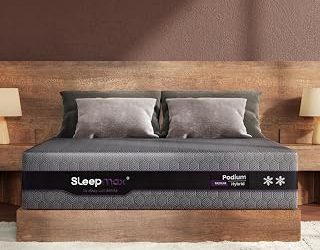
Sleepmax 14″ Hybrid Queen
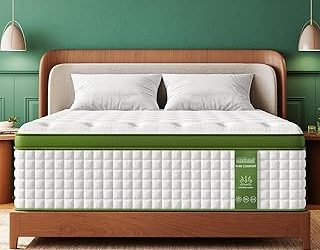
A strong value hybrid with pressure-relieving comfort layers over a pocketed spring base, tuned for back and side sleeping alike. The 14-inch profile gives it the structural depth heavier sleepers need, and the 365-night trial removes most of the risk from buying a mattress you cannot test in person.
14″ Zoned Pocket Spring Luxury Hotel Hybrid
The zoning here is the selling point: distinct support regions for hip, shoulder, and lumbar mean the shoulder can drop while the waist stays lifted, which is precisely the geometry side sleepers need. The hotel-style cooling cover keeps the surface temperature neutral through the night.
Sweetnight CoolNest 14″
A five-zone ergonomic foam build with a medium feel and serious attention to breathability, making it the pick for anyone who prefers the contoured hug of foam over the springiness of coils. Best suited to sleepers in the lower plus size range, where the foam core has less compression to fight.
Soft Plush 14″ Hybrid Queen for Side Sleepers
Pocketed springs beneath gel memory foam give this one a softer surface than the rest of the field while retaining a supportive base — useful for side sleepers with shoulder sensitivity or joint pain. Consider it if firmer beds have historically left your arm numb.
Frequently Asked Questions
Is a hybrid or all-foam mattress better for plus size side sleepers?
Hybrid, in most cases. Coils resist long-term compression better than foam and allow more airflow. All-foam builds can work well, but look for high-density foam and expect a shorter usable lifespan under sustained load.
How firm should the mattress be?
Medium-firm. Heavier bodies sink deeper into any given build, so a mattress rated medium-firm typically presents as a balanced medium once you are lying on it — supportive at the hips, forgiving at the shoulder.
Will a 12-inch mattress be thick enough?
It can be, provided the support core is well built — the 12-inch cooling gel hybrid in this roundup is a reasonable choice for tighter rooms or bunk-style frames. For sleepers above roughly 250 pounds, 14 inches is the safer bet.
Does the foundation matter?
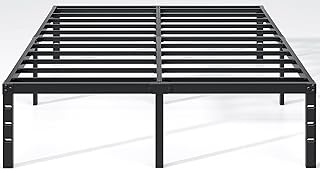
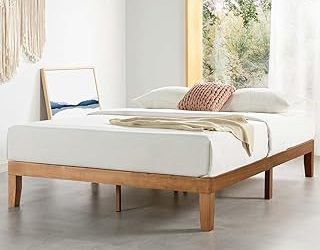
Considerably. Slats spaced wider than three inches, or a frame without a center support leg, will cause sagging that gets blamed on the mattress. Confirm your base is rated for the combined weight of sleepers and mattress.
Final Thoughts
For most plus size side sleepers, the Brooklyn Bedding Titan Elite is the soundest long-term investment — it is built for the load rather than merely tolerant of it. The Sleepmax 14″ hybrid delivers similar structural logic at a gentler price with a full-year trial, and the zoned 14″ pocket spring hybrid is the smartest choice if shoulder pressure is your primary complaint. Any of the three will outlast the soft, shallow mattresses that create the problem in the first place.