Key takeaways
- Aim for medium-firm, not firm: A true firm surface bridges the gap under your waist and leaves the hip carrying everything. Medium-firm gives the shoulder and hip somewhere to go while the spine stays level, which is why most side sleepers with pain land here.
- Look for zoning: A 5- or 7-zone pocket coil layout stiffens under the lumbar and midsection and softens at the shoulders. It is the single most useful feature for keeping hips aligned without adding overall hardness.
- Mind the comfort layer depth: Broader frames and heavier hips generally need 12 to 14 inches of total build so the pressure layer isn’t compressed flat before the coils engage. Lighter sleepers can go shallower without bottoming out.
- Check cooling if you use foam: Contouring foam traps heat by nature. Gel infusions, copper, graphene covers, and breathable coil cores all help, and a cooler bed means less tossing, which matters when pain is already interrupting sleep.
- Read the trial, not the warranty: Hips take three to four weeks to adapt to a new surface. The 365-night trials common in this category give you real room to judge, and CertiPUR-US plus fiberglass-free construction should be treated as baseline, not bonus.
What's inside
Side sleeping is the most popular position in the world and the least forgiving. All your weight lands on two narrow points, the shoulder and the hip, and the mattress underneath has to do two contradictory things at once: sink enough to let those joints drop in, stay firm enough to keep the lumbar spine from folding sideways. Get that balance wrong and you wake with a burning hip socket, a stiff lower back, or a shoulder that clicks for the first hour of the day.
This guide looks at the beds that actually solve that geometry problem, mostly zoned hybrids and a high-density foam option, all in queen and all shippable in a box. Below you’ll find the picks, then a short buyer’s framework, honest notes on each mattress, and answers to the questions that come up most often when back and hip pain are part of the equation.
As an Amazon Associate we earn from qualifying purchases.




How to Choose a Mattress For Side Sleepers With Back And Hip Pain (2026)
- Aim for medium-firm, not firm: A true firm surface bridges the gap under your waist and leaves the hip carrying everything. Medium-firm gives the shoulder and hip somewhere to go while the spine stays level, which is why most side sleepers with pain land here.
- Look for zoning: A 5- or 7-zone pocket coil layout stiffens under the lumbar and midsection and softens at the shoulders. It is the single most useful feature for keeping hips aligned without adding overall hardness.
- Mind the comfort layer depth: Broader frames and heavier hips generally need 12 to 14 inches of total build so the pressure layer isn’t compressed flat before the coils engage. Lighter sleepers can go shallower without bottoming out.
- Check cooling if you use foam: Contouring foam traps heat by nature. Gel infusions, copper, graphene covers, and breathable coil cores all help, and a cooler bed means less tossing, which matters when pain is already interrupting sleep.
- Read the trial, not the warranty: Hips take three to four weeks to adapt to a new surface. The 365-night trials common in this category give you real room to judge, and CertiPUR-US plus fiberglass-free construction should be treated as baseline, not bonus.
The Best Mattress For Side Sleepers With Back And Hip Pain (2026)s Reviewed
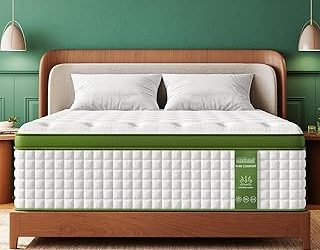
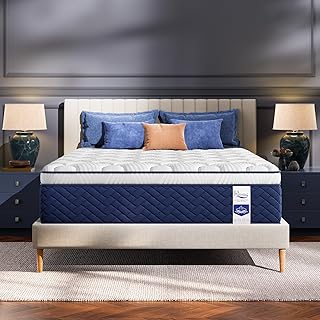
Medium Firm 14″ Hotel Collection Hybrid, 7-Zone Support
The 7-zone coil map here is the most convincing spinal-alignment story in this group, easing under the shoulder and bracing hard through the lumbar band. It reads like a good hotel bed, which means it suits combination sleepers who roll to their back partway through the night.
14″ Medium Firm Queen Hybrid with Pocket Springs and Cooling Gel
Independently wrapped springs plus a gel-infused comfort layer make this the balanced all-rounder: enough give for the hip, enough pushback for the lower back, and noticeably less heat than an all-foam bed. A safe default if you are unsure where your firmness preference sits.
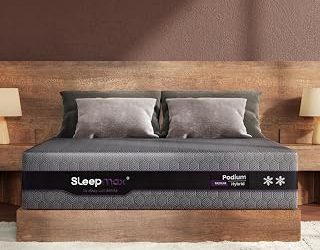
Sleepmax 14″ Queen Hybrid
A deeper, plusher take on the hybrid formula, best for lighter and mid-weight side sleepers who need the shoulder to sink further before the coils take over. Motion isolation is solid, so it works well for couples on different schedules.
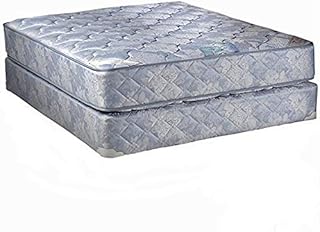
Firm 12″ Hybrid with Extra Back and Lumbar Hip Support
The firmest pick of the group and the right call for heavier sleepers or anyone who has found medium beds let their hips drop too low. Reinforced lumbar support is the selling point; strict side sleepers under 150 pounds should size up in softness instead.
EGOHOME 14″ Copper Gel Memory Foam
The one all-foam entry, and it earns its place with copper-gel infusion, a graphene cover, and genuinely deep contouring around the hip. Choose it if you want the cradled, no-bounce feel and near-total motion isolation that coils can’t match.
Frequently Asked Questions
Is a firm mattress better for hip pain?
Usually not. Firm surfaces distribute weight poorly for side sleepers because the hip and shoulder have nowhere to settle, concentrating pressure at those joints. Medium-firm with zoned support relieves more hip pain in practice.
How thick should my mattress be?
Twelve inches is enough for most sleepers under about 200 pounds. Above that, 14 inches gives the comfort layers room to work before you reach the support core.
How long until my back and hips feel better?
Expect two to four weeks. Your body has adapted to the shape of your old bed, and mild stiffness during that window is normal rather than a sign the mattress is wrong.
Are hybrids or memory foam better for side sleepers?
Hybrids suit sleepers who shift positions, run warm, or need lumbar reinforcement. Memory foam suits those who want maximum pressure relief at the hip and shoulder and don’t mind a slower, more enveloping feel.
Final Thoughts
For most side sleepers carrying back and hip pain, the 7-Zone Hotel Collection Hybrid is the sharpest match of support to anatomy, with the 14″ Medium Firm Pocket Spring Hybrid a close and slightly softer alternative. Heavier sleepers should look at the Firm 12″ Hybrid, while anyone who prefers a contoured, motion-free feel will be happiest on the EGOHOME memory foam. All arrive compressed, all offer year-long trials, so let your hips make the final call.