Key takeaways
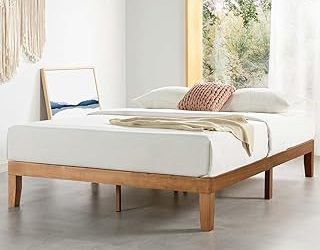
- Profile height: An 8-inch mattress suits guest rooms, bunk setups, and platform beds where you want a low, clean silhouette. 12 to 14 inches gives heavier sleepers more support and pairs better with tall upholstered frames — just confirm your sheets have deep enough pockets.
- Foam versus hybrid: All-foam options contour closely and silence motion, which favors side sleepers and couples on different schedules. Hybrids add individually wrapped coils for lift and edge stability, making them the safer pick for back sleepers, combination sleepers, and anyone over roughly 230 pounds.
- Heat handling: Gel infusions, open-cell structures, and green tea treatments all help, but airflow matters more. Coil layers move air by design; if you sleep hot and prefer foam, prioritize a breathable cover and a slatted or ventilated foundation.
- Certifications and construction: CertiPUR-US confirms the foam was tested for emissions and restricted substances. Separately, look for an explicit fiberglass-free statement — it means the fire barrier uses an alternative material, so a torn cover won’t turn into a cleanup nightmare.
- Trial length: Your body needs two to four weeks to adapt to a new support surface. Anything under 100 nights is tight; a full-year trial is the strongest signal a brand has of confidence in its own build.
What's inside
Compressed mattresses changed the way we furnish bedrooms. Instead of scheduling a delivery window and clearing a stairwell, you carry a duffel-sized carton up yourself, slice the plastic, and watch a slab of foam breathe back into shape. The catch is that the category has grown crowded and confusingly flat: dozens of listings share the same vocabulary, the same cooling claims, the same certification badges, and almost none of them explain how the mattress will actually feel under a body at 3 a.m.
This guide sorts through that noise from a design-and-livability standpoint as much as a spec-sheet one. We look at profile height (which quietly determines whether your bed frame reads elegant or awkward), foam density versus pocketed coil support, heat management, and the trial windows that let you return a mattress without a fight. Below are six boxed mattresses worth considering in 2026, followed by a short buying framework and the questions readers ask most.
As an Amazon Associate we earn from qualifying purchases.


How to Choose a Mattress That Comes In A Box (2026)
- Profile height: An 8-inch mattress suits guest rooms, bunk setups, and platform beds where you want a low, clean silhouette. 12 to 14 inches gives heavier sleepers more support and pairs better with tall upholstered frames — just confirm your sheets have deep enough pockets.
- Foam versus hybrid: All-foam options contour closely and silence motion, which favors side sleepers and couples on different schedules. Hybrids add individually wrapped coils for lift and edge stability, making them the safer pick for back sleepers, combination sleepers, and anyone over roughly 230 pounds.
- Heat handling: Gel infusions, open-cell structures, and green tea treatments all help, but airflow matters more. Coil layers move air by design; if you sleep hot and prefer foam, prioritize a breathable cover and a slatted or ventilated foundation.
- Certifications and construction: CertiPUR-US confirms the foam was tested for emissions and restricted substances. Separately, look for an explicit fiberglass-free statement — it means the fire barrier uses an alternative material, so a torn cover won’t turn into a cleanup nightmare.
- Trial length: Your body needs two to four weeks to adapt to a new support surface. Anything under 100 nights is tight; a full-year trial is the strongest signal a brand has of confidence in its own build.
The Best Mattress That Comes In A Box (2026)s Reviewed
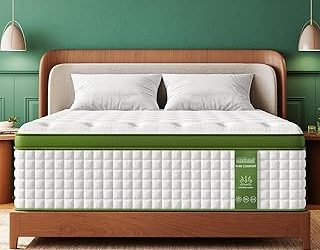
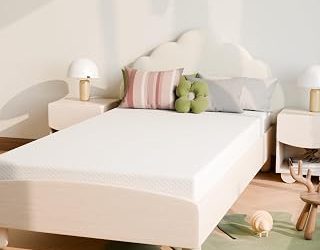
EGOHOME 8-Inch Green Tea Memory Foam Mattress, Full
The slimmest pick here and the most versatile: at 8 inches it slides into daybeds, trundles, and low platform frames without overwhelming the frame’s lines. The green tea gel treatment keeps the foam smelling neutral after unboxing, and the medium-firm feel is forgiving enough for a spare room that hosts a wide range of guests.
Novilla 12-Inch Gel Memory Foam Queen
A straightforward all-foam build that does the fundamentals well — deep contouring at the hips and shoulders, near-total motion absorption, and enough gel infusion to take the edge off foam’s usual heat retention. It’s the natural choice for side sleepers who want to sink rather than float.
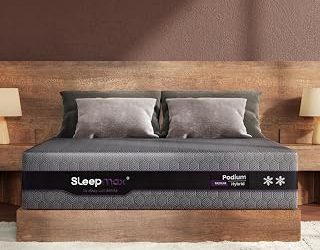
Sleepmax 14-Inch Hybrid Queen
The most substantial mattress on the list, combining pocketed coils with comfort foam for a supportive, genuinely bed-like feel that suits back and side sleepers equally. The 365-night trial is the standout detail: a full year removes essentially all of the risk from buying a mattress you’ve never lain on.
FATHOM 12-Inch Medium Memory Foam Queen
Built around back-pain relief, with gel foam that cradles the lumbar curve without letting the midsection collapse. The removable, fiberglass-free cover is the practical differentiator — it means spills and dust are a laundry cycle away from resolved instead of a permanent problem.
12-Inch Full Hybrid with Pocket Springs
A well-balanced hybrid in the harder-to-find full size, layering cooling gel memory foam over individually wrapped springs for pressure relief with real underlying lift. A smart pick for a smaller primary bedroom or a teen’s room that needs to last several years.
Frequently Asked Questions
How long does a boxed mattress take to expand?
Most reach usable shape within a few hours and full loft in 24 to 72 hours. Unbox it in the room where it will live, keep it flat, and give it airflow rather than sheets on day one.
Is the new-mattress smell a problem?
That off-gassing is normal for compressed foam and typically fades within two to three days. Cracking a window speeds it along considerably.
Do I need a box spring?
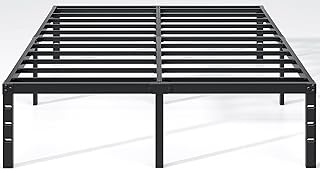
No. These mattresses want a flat, firm base — a platform frame, a bunkie board, or slats spaced no more than about three inches apart. Wider gaps let foam sag between them.
Foam or hybrid for back pain?
Hybrids generally win, since coils resist sinking at the hips and keep the spine closer to neutral. Dense memory foam with a medium-firm rating can work equally well if you prefer a closer, more enveloping feel.
Final Thoughts
For most bedrooms, the Sleepmax 14-Inch Hybrid is the strongest all-around buy — supportive, cool-running, and backed by a year-long trial that makes the decision essentially reversible. Side sleepers who want deeper contouring should look at the Novilla 12-Inch, while the EGOHOME 8-Inch remains the smartest low-profile option for guest rooms and compact frames where a slim silhouette matters as much as the sleep.