Key takeaways
- Thickness: Two inches takes the edge off a slightly stiff mattress. Three inches is the practical choice for a genuinely hard bed, especially for side sleepers who need the shoulder and hip to sink in rather than perch.
- Fill Type: Memory foam contours and redistributes pressure, which is what most people with a firm mattress are chasing. Down alternative pillow tops give you a softer, cloud-like surface feel without the slow-sink sensation of foam.
- Heat Management: Adding a layer traps warmth. Gel infusions, ventilated foam channels, and breathable mesh side panels all help, and they matter more than the marketing language suggests if you sleep hot.
- Fit and Anchoring: Check the pocket depth against your mattress plus any protector. Deep-pocket skirted designs stay put; unsecured foam slabs tend to migrate unless you use a fitted sheet with real grip.
- Certification and Cover: Look for CertiPUR-US foam for emissions and content standards, and prefer a removable, washable cover. It’s the difference between a topper you keep and one you quietly resent.
What's inside
A firm mattress is a strange thing to regret. You chose it for the support, the promise of spinal alignment, the sense that a serious bed should feel like a serious surface. Then a few months in, you notice the shoulder that goes numb, the hip that aches at 4 a.m., the way your body never quite settles into the bed so much as balances on top of it. The support is real. The comfort layer is what’s missing.
That’s the gap a topper closes. Rather than replacing a structurally sound mattress, you’re adding two or three inches of contouring or plush fill above it, keeping the base support while softening the contact points. This guide covers what actually matters when you’re softening a firm bed rather than firming up a soft one, and reviews six toppers that handle the job in different ways, from cooling gel foam to overstuffed down alternative.
As an Amazon Associate we earn from qualifying purchases.




How to Choose a Mattress Topper For A Firm Mattress (2026)
- Thickness: Two inches takes the edge off a slightly stiff mattress. Three inches is the practical choice for a genuinely hard bed, especially for side sleepers who need the shoulder and hip to sink in rather than perch.
- Fill Type: Memory foam contours and redistributes pressure, which is what most people with a firm mattress are chasing. Down alternative pillow tops give you a softer, cloud-like surface feel without the slow-sink sensation of foam.
- Heat Management: Adding a layer traps warmth. Gel infusions, ventilated foam channels, and breathable mesh side panels all help, and they matter more than the marketing language suggests if you sleep hot.
- Fit and Anchoring: Check the pocket depth against your mattress plus any protector. Deep-pocket skirted designs stay put; unsecured foam slabs tend to migrate unless you use a fitted sheet with real grip.
- Certification and Cover: Look for CertiPUR-US foam for emissions and content standards, and prefer a removable, washable cover. It’s the difference between a topper you keep and one you quietly resent.
The Best Mattress Toppers For A Firm Mattress (2026), Reviewed
Linenspa 2-Inch Gel Infused Memory Foam Topper
The most sensible entry point if your mattress is firm rather than punishing: two inches of gel-infused memory foam that adds a plush surface without changing the geometry of your bed. CertiPUR-US certified and priced to experiment with, which makes it a low-risk fix for a mattress you otherwise like.
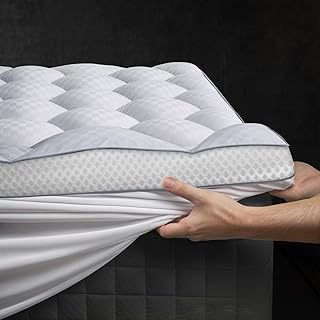
Hospitology Overstuffed Down Alternative Pillow Top
For anyone who wants hotel-bed softness rather than memory foam’s slow embrace, this hypoallergenic goose down alternative topper delivers loft you can see. The deep-pocket skirt keeps it anchored, and it sleeps noticeably cooler than solid foam of comparable thickness.
3-Inch Ultra-Fluffy Memory Foam Pillow Top Topper
A hybrid approach: a plush pillow-top surface layered over three inches of supportive memory foam, with breathable air mesh side panels to move heat out. The 4X support construction and generous six-to-21-inch pocket range make it a strong pick for back pain sufferers on tall or pillow-top mattresses.
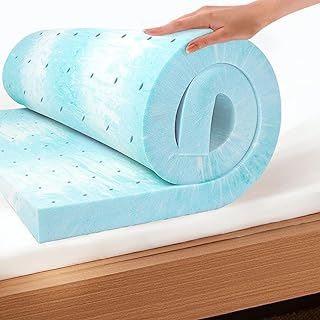
EGO 3-Inch Gel Memory Foam Topper
Three inches of ventilated, gel-infused foam engineered squarely at pressure relief, which is exactly the brief for a too-firm bed. The open-cell ventilation pattern is the detail worth noting here, since it addresses foam’s usual heat problem at the structural level rather than with a surface treatment.
Niagara Sleep Solution Bamboo Rayon Pillow Top
A cooling-first choice, with rayon derived from bamboo over a quilted pillow-top fill and a 20-inch deep pocket that fits nearly any mattress. Best for hot sleepers who want a softer surface and better temperature regulation without adding the density of a foam slab.
Frequently Asked Questions
How thick should a topper be for a firm mattress?
Three inches is the reliable answer for a mattress that feels hard, particularly for side sleepers. Two inches works if the bed is only marginally too firm or if you’re a back or stomach sleeper who still wants some underlying structure.
Can a topper actually help with back pain?
Often, yes, when the pain comes from a surface too rigid to accommodate your hips and shoulders. A contouring layer lets the spine settle into neutral alignment. If the mattress itself sags, though, a topper only follows the dip.
Memory foam or pillow top?
Memory foam for pressure relief and body-hugging contour. Pillow top for immediate surface plushness, easier movement, and cooler sleep. Hybrids like the SINWEEK gel foam topper with its removable soft cover split the difference reasonably well.
Will it slide around?
Skirted designs with deep pockets stay in place. Unsecured foam slabs need a snug fitted sheet stretched over both topper and mattress, which handles it in practice.
Final Thoughts
For most people softening a firm bed, the EGO 3-Inch Gel Memory Foam Topper is the balanced pick, with real pressure relief and ventilation built into the foam itself. Hot sleepers should look at the Niagara Sleep Solution bamboo rayon pillow top, and anyone after plush hotel loft over contour will be happier with the Hospitology overstuffed down alternative.