Key takeaways
- Thickness: Three inches is the practical floor for sleepers over roughly 230 pounds, and four to five inches gives you real margin. Anything thinner will compress past its useful range and let you feel the mattress underneath.
- Foam density: Look for 4 lb/ft³ or higher in memory foam, or a high-density support base under a softer comfort layer. Density, not thickness alone, determines whether the topper resists body impressions over years of use.
- Firmness tuning: Heavier bodies sink deeper into any given foam, so a topper labeled “medium” often sleeps soft and an “extra firm” often sleeps medium. Size up in firmness relative to what you’d choose at a lighter weight.
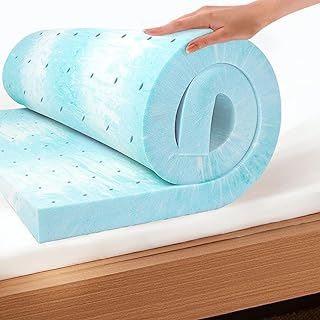
- Heat management: Gel infusion helps, but ventilated or channel-cut foam moves more air where it counts. Pair either with a breathable cover rather than a laminated waterproof shell.
- Anchoring and certification: Thick toppers migrate. Deep-pocket skirts, elastic corner straps, or a non-slip base keep things in place. CertiPUR-US and Oeko-Tex marks confirm the foam meets emissions and content standards.
What's inside
Most mattress toppers are engineered around an invisible assumption: a sleeper somewhere near 150 pounds. Push past that and the math changes. Low-density foam compresses to nothing under concentrated load, so the hip sinks while the shoulders float, and the spine ends up in a shallow hammock. Within a few months the surface develops permanent body impressions, and the topper you bought for pressure relief starts creating pressure points of its own. Heat compounds the problem, because a heavier body puts more surface area in contact with the foam and less air in circulation.
This guide looks at toppers that actually hold their shape under real weight. The short version: prioritize foam density and thickness over plushness claims, and treat cooling as a structural requirement rather than a bonus feature. Below are six options worth considering, followed by the specs that matter, honest notes on each pick, and answers to the questions buyers ask most.
As an Amazon Associate we earn from qualifying purchases.


How to Choose a Mattress Topper For Heavy People (2026)
- Thickness: Three inches is the practical floor for sleepers over roughly 230 pounds, and four to five inches gives you real margin. Anything thinner will compress past its useful range and let you feel the mattress underneath.
- Foam density: Look for 4 lb/ft³ or higher in memory foam, or a high-density support base under a softer comfort layer. Density, not thickness alone, determines whether the topper resists body impressions over years of use.
- Firmness tuning: Heavier bodies sink deeper into any given foam, so a topper labeled “medium” often sleeps soft and an “extra firm” often sleeps medium. Size up in firmness relative to what you’d choose at a lighter weight.
- Heat management: Gel infusion helps, but ventilated or channel-cut foam moves more air where it counts. Pair either with a breathable cover rather than a laminated waterproof shell.
- Anchoring and certification: Thick toppers migrate. Deep-pocket skirts, elastic corner straps, or a non-slip base keep things in place. CertiPUR-US and Oeko-Tex marks confirm the foam meets emissions and content standards.
The Best Mattress Toppers For Heavy People (2026), Reviewed
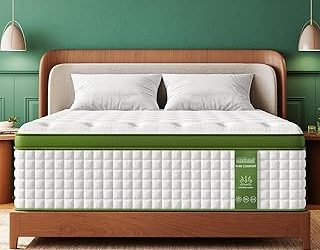
5 Inch Mega Support Dual Layer Pillow Top Topper
The 2.5-inch pillow top over 2.5 inches of gel memory foam is the most sensible construction here for higher body weights, because the soft layer handles contouring while the foam layer does the load-bearing. At five inches total, it also has enough depth to rescue a mattress that has already developed a sag.
BedStory 3 Inch Extra Firm Topper
This is the pick for anyone who has tried a plush topper and woken up with lower-back stiffness. The extra-firm rating keeps the hips from dropping, and the skin-friendly cover plus CertiPUR-US foam means no break-in odor to wait out.
Linenspa 2 Inch Gel Memory Foam Topper
At two inches, this is the lightest-duty option on the list and best suited to sleepers on the lower end of the range or those simply softening an overly firm mattress. It is a genuinely good value, but heavier sleepers should expect to feel the mattress beneath it.
Lucid 4 Inch Gel Memory Foam Topper
Four inches of ventilated, gel-infused foam gives you plush contouring without the trapped heat that usually comes with it. The ultra-plush feel does mean it sleeps softer than the spec suggests, so this suits side sleepers more than back sleepers.
JSELF 3 Inch Dual-Layer Gel Topper
The wave-textured surface distributes load across a wider area instead of letting it concentrate at the hips, which is why this one earns its back-pain claims. Dual certification, a Bekaert fabric cover, and a non-slip base round out a thoughtfully finished product.
Frequently Asked Questions
How thick should a mattress topper be for a heavier sleeper?
Three inches minimum, and four to five inches if you weigh over 250 pounds or share the bed. Thicker foam has more compression range before it bottoms out against the mattress.
Will a topper fix a sagging mattress?
It can mask a mild dip, and a five-inch dual-layer topper buys the most time. It cannot repair broken coils or a failed foam core, so treat it as a bridge rather than a cure.
Do memory foam toppers sleep hot?
Traditional memory foam does. Gel infusion plus a ventilated or channel-cut structure makes a measurable difference, and pairing it with breathable cotton or bamboo sheets helps more than most people expect.
Firm or plush for back pain?
Firmer, in most cases. Back and stomach sleepers need the hips held in line with the shoulders; side sleepers can go softer, provided the foam underneath is dense enough not to collapse.
Final Thoughts
For most heavier sleepers, the 5 Inch Mega Support dual-layer topper is the strongest all-around choice, combining genuine load-bearing depth with a pillow-top surface. Choose the BedStory 3 Inch Extra Firm if spinal alignment and back pain are your priority, or the JSELF 3 Inch dual-layer if you want pressure distribution and a cooler, better-finished surface at a moderate thickness.