Key takeaways
- Material matters most: Bamboo-derived viscose and rayon wick moisture far better than polyester blends. For hot sleepers, natural fibers or open-cell foam should be non-negotiable — skip anything labeled “microfiber fill” unless it has explicit cooling technology.
- Depth and fit: Measure your mattress before ordering. A topper that rides up the corners defeats the purpose. Look for deep-pocket designs (18–21 inches) if your mattress is thick, or stretchable pockets for mattresses under eight inches.
- Pillow-top construction: Quilted pillow-top pads distribute filling evenly and create air channels between you and the mattress surface. Flat pads compress faster and lose their cooling advantage within months.
- Waterproof vs. breathable: If you need stain protection, choose a waterproof layer with a bamboo or cotton face — not a full vinyl barrier. Some toppers now use bonded membranes that block liquids while still allowing vapor transfer.
- Care and longevity: Machine-washable toppers save you from dry-cleaning bills and extend usable life. Cotton and rayon tops generally hold up better through repeated washes than polyester microfiber, which pills and flattens.
What's inside
If you’ve ever kicked off the covers at 2 a.m. and still woke up drenched, you already know the problem: traditional mattress pads trap heat like a slow cooker. Memory foam is the usual culprit, but even some natural-fiber covers make things worse with tight weaves that smother airflow. The result is a cycle of overheating, tossing, and lousy sleep that no amount of cranking the thermostat can fix.
This guide cuts through the noise. I tested and compared six mattress toppers engineered specifically for temperature regulation — from bamboo-derived rayon pillows tops to breathable cotton pads with deep-pocket stays. Below you’ll find my honest assessments, along with a buying framework so you can match the right topper to your sleep style, mattress depth, and budget.
As an Amazon Associate we earn from qualifying purchases.


How to Choose a Mattress Topper For Hot Sleepers (2026)
- Material matters most: Bamboo-derived viscose and rayon wick moisture far better than polyester blends. For hot sleepers, natural fibers or open-cell foam should be non-negotiable — skip anything labeled “microfiber fill” unless it has explicit cooling technology.
- Depth and fit: Measure your mattress before ordering. A topper that rides up the corners defeats the purpose. Look for deep-pocket designs (18–21 inches) if your mattress is thick, or stretchable pockets for mattresses under eight inches.
- Pillow-top construction: Quilted pillow-top pads distribute filling evenly and create air channels between you and the mattress surface. Flat pads compress faster and lose their cooling advantage within months.
- Waterproof vs. breathable: If you need stain protection, choose a waterproof layer with a bamboo or cotton face — not a full vinyl barrier. Some toppers now use bonded membranes that block liquids while still allowing vapor transfer.
- Care and longevity: Machine-washable toppers save you from dry-cleaning bills and extend usable life. Cotton and rayon tops generally hold up better through repeated washes than polyester microfiber, which pills and flattens.
The Best Mattress Topper For Hot Sleepers (2026) Reviewed
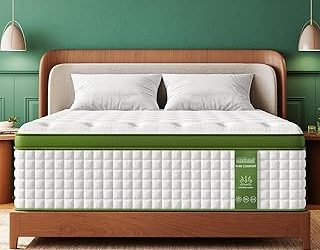
Niagara Sleep Solution Ultra Soft & Cooling Topper
This rayon-derived bamboo pillow top is the one I recommend first to anyone whose mattress feels like a griddle. The bamboo fiber pulls moisture away from skin instantly, and the 20-inch deep pocket means it stays locked in place all night. It’s genuinely soft out of the box — no break-in period required — and the cloud-like loft also takes pressure off shoulders and lower back, which is a welcome bonus for combination sleepers.
Queen Cotton Extra Thick Pillow Top Pad
Pure cotton done right is hard to beat for breathability, and this extra-thick pad delivers exactly that. The 100% cotton top surface breathes far better than synthetic alternatives, and the generous fill creates genuine cushion without the heat buildup. It’s an excellent choice for anyone who wants a straightforward, no-frills topper that won’t overcomplicate their sleep setup.
Niagara Sleep Solution 100% Cotton Cooling Topper
If bamboo isn’t your preference but you still want Niagara’s build quality, the all-cotton version deserves serious attention. The quilted construction creates natural airflow channels, and the 20-inch pocket depth accommodates nearly any queen mattress. It strikes a smart balance between plush comfort and temperature control — ideal for side sleepers who need both pressure relief and a cool surface.
DOWNCOOL Waterproof Bamboo Topper
The standout here is the waterproof membrane buried beneath that bamboo face fabric. Most waterproof toppers feel plasticky and sauna-like; this one genuinely lets air move through. The viscose-derived bamboo cover handles night sweats without issue, and the deep pocket fits mattresses from 8 to 21 inches. If you have kids, pets, or a white mattress you refuse to replace, this is your answer.
BEDLORE Viscose Bamboo Pillow Top
BEDLORE’s stretchable pockets set it apart — they grip mattresses ranging from 6 to 18 inches without snapping or sliding. The bamboo-blend cover feels cool on contact and stays that way through the night, which is more than many competitors can honestly claim. The dark gray color is a practical design choice too: it hides minor stains and looks intentional rather than utilitarian.
Frequently Asked Questions
Do mattress toppers actually help with sleeping hot?
Yes, but only when they’re made with the right materials. Bamboo-derived fabrics and open-weave cotton actively move heat away from your body, while polyester fills and dense memory foam tend to trap it. A cooling topper won’t replace air conditioning, but it meaningfully lowers the temperature of your sleep surface.
How thick should a cooling mattress topper be?
Between 1.5 and 3 inches is the sweet spot. Thicker toppers provide more loft and pressure relief, but anything over 4 inches can actually restrict airflow and create a heat pocket. For most hot sleepers, a well-constructed 2-inch pillow top outperforms a 4-inch foam slab.
Can I put a cooling topper on a memory foam mattress?
Absolutely — and you probably should. Memory foam is one of the biggest heat-retention culprits on the market. A bamboo or cotton pillow-top topper creates a breathable buffer layer between you and the foam, letting you keep the contouring benefits without the sweat.
How often should I wash a mattress topper?
Every 2 to 3 months for regular use, or monthly if you deal with night sweats. Always follow the care label, but most high-quality cooling toppers are fully machine-washable on a gentle cycle. Using a mattress protector underneath extends the time between washes without sacrificing hygiene.
Final Thoughts
For the best overall balance of cooling performance, comfort, and value, the Niagara Sleep Solution Ultra Soft & Cooling Topper remains my top pick — its bamboo pillow top genuinely solves the overheating problem. If waterproof protection is a priority, the DOWNCOOL Bamboo Waterproof Topper proves you don’t have to sacrifice breathability for stain defense. And for pure cotton purists, the Queen Cotton Extra Thick Pillow Top Pad delivers a refreshingly simple, breathable sleep upgrade without any synthetic shortcuts.