Key takeaways
- Prioritize density over plushness: High-density foam resists compression in the exact spot your mattress already gave up. A soft fiber topper feels luxurious for a week, then telegraphs the dip straight through. If the sag is more than an inch deep, choose firm or extra-firm construction first and add softness on top later.
- Match thickness to the depth of the dip: Two inches is enough to smooth a shallow surface irregularity. Three inches handles a visible depression and adds real pressure relief. Four to five inches, ideally in a dual-layer build, is the practical maximum before the bed starts to feel like a separate mattress balanced on an old one.
- Check the pocket depth against your mattress: Skirted pillow-top styles rely on elastic pockets to stay put. Measure your mattress height, including any existing protector, and look for pockets rated deeper than that number. Anti-slip straps are the alternative for unskirted foam slabs and matter more than most buyers expect.
- Plan for heat before it becomes a problem: Adding mass to a bed traps warmth. Gel infusions, ventilation channels, and rayon-from-bamboo covers all help, and they are worth specifying up front rather than solving later with a second sheet layer.
- Verify certifications and care: CertiPUR-US and Oeko-Tex marks indicate foam tested for emissions and restricted substances, which matters in a sealed bedroom. A removable, machine-washable cover is the difference between a topper that lasts five years and one that gets replaced in two.
What's inside
A dip in the middle of the bed is one of those problems that hides in plain sight. The room looks composed, the bedding is crisp, and yet every morning brings a stiff lower back and the sense that the mattress is quietly working against you. Sag develops where your body loads the surface most heavily, and once the foam or coil support underneath has compressed, no amount of flipping or fluffing brings the level back. Replacing the whole mattress is the obvious answer and often the wrong one, especially when the frame, the base, and the rest of the bed are still in good shape.
A well-chosen topper is the practical middle path: it redistributes weight across the low spot, restores an even sleeping plane, and buys the mattress several more useful years. The catch is that most toppers are designed for softness, not support, and a plush layer over a hollow only deepens the sink. This guide focuses specifically on toppers that address sag structurally, with notes on firmness, loft, edge stability, and cooling, plus honest limits on what a topper can and cannot fix.
As an Amazon Associate we earn from qualifying purchases.


How to Choose a/an Mattress Topper For Sagging Mattress (2026)
- Prioritize density over plushness: High-density foam resists compression in the exact spot your mattress already gave up. A soft fiber topper feels luxurious for a week, then telegraphs the dip straight through. If the sag is more than an inch deep, choose firm or extra-firm construction first and add softness on top later.
- Match thickness to the depth of the dip: Two inches is enough to smooth a shallow surface irregularity. Three inches handles a visible depression and adds real pressure relief. Four to five inches, ideally in a dual-layer build, is the practical maximum before the bed starts to feel like a separate mattress balanced on an old one.
- Check the pocket depth against your mattress: Skirted pillow-top styles rely on elastic pockets to stay put. Measure your mattress height, including any existing protector, and look for pockets rated deeper than that number. Anti-slip straps are the alternative for unskirted foam slabs and matter more than most buyers expect.
- Plan for heat before it becomes a problem: Adding mass to a bed traps warmth. Gel infusions, ventilation channels, and rayon-from-bamboo covers all help, and they are worth specifying up front rather than solving later with a second sheet layer.
- Verify certifications and care: CertiPUR-US and Oeko-Tex marks indicate foam tested for emissions and restricted substances, which matters in a sealed bedroom. A removable, machine-washable cover is the difference between a topper that lasts five years and one that gets replaced in two.
The Best Mattress Topper For Sagging Mattress (2026)s Reviewed
Glendan Extra Firm 3 Inch Topper
The most direct answer to a sagging mattress in this group: three inches of high-density foam that bridges a depression rather than settling into it, held in place with anti-slip straps and wrapped in a breathable, washable cover. CertiPUR-US and Oeko-Tex certified, and the firmest feel here by a clear margin, which makes it the pick for back and stomach sleepers who need the surface to stay flat.
5 Inch Mega Support Dual Layer Topper
Two distinct layers, a 2.5-inch gel-infused memory foam base for structure and a 2.5-inch pillow top above it, so you get correction underneath and cushioning where your shoulders and hips land. At five inches this is the heaviest lift for a badly worn queen, and the one to choose when a thinner topper has already failed you.
Best Price Mattress 3 Inch Ventilated Memory Foam
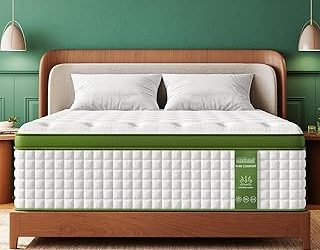
A cleanly engineered middle option: ventilated memory foam with gel infusion, CertiPUR-US certified, at a price that makes sense for a guest room, a dorm bed, or a mattress you plan to replace within a couple of years. Medium feel, so it evens out mild sag without the firm push of the Glendan.
Niagara Sleep Solution Bamboo Pillow Top
The best choice for hot sleepers dealing with surface unevenness rather than deep structural sag. The rayon-from-bamboo cover sleeps genuinely cool, the 20-inch deep pocket fits tall mattresses without creeping loose, and the quilted pillow-top loft softens a firm bed that has started to develop pressure points.
ELEMUSE Extra Thick Pillowtop Pad
An overfilled down-alternative pad with an elastic deep-pocket skirt, built for plushness and warmth rather than correction. Layer it over one of the foam picks above if you want hotel-bed softness, or use it alone on a mattress that is firm and level but simply unforgiving.
Frequently Asked Questions
Can a topper actually fix a sagging mattress?
It can mask and compensate, not repair. A firm, high-density topper spreads your weight across the dip so your spine stays neutral, which resolves the symptom. If the sag comes from a broken coil, a snapped slat, or a failing box spring, address the support base first or the topper will follow the same contour within weeks.
How thick should I go?
Measure the dip with a straightedge and a ruler. Under half an inch, a 2-inch topper like the SINWEEK gel foam is plenty. Half an inch to just over an inch calls for 3 inches. Beyond that, a dual-layer 4 to 5 inch build is the realistic option, though a mattress that far gone is usually near the end of its life.
Will a topper make my bed sleep hotter?
Any added layer slows heat transfer somewhat. Ventilated foam, gel infusion, and breathable covers offset most of it, and fiber-filled pillow tops with bamboo-derived shells tend to run coolest of all. Solid, unventilated memory foam is the configuration to avoid if you already sleep warm.
How do I keep it from sliding around?
Skirted designs need a pocket deeper than your mattress height, measured with the protector on. Unskirted foam should have anti-slip straps or a grippy underside, and a tightly fitted sheet stretched over both mattress and topper does more work than most people credit.
Final Thoughts
For most people fighting a genuine dip, the Glendan Extra Firm 3 Inch is the sensible starting point: firm enough to level the surface, certified, and easy to keep clean. Step up to the 5 Inch Mega Support dual-layer build if the sag is deep or a thinner topper has already compressed, and choose the Niagara bamboo pillow top when the mattress is level but hot and unyielding. Match the topper to the actual problem, check your support base first, and you can push a good mattress well past the point where it started feeling like a bad one.