Key takeaways
- Firmness versus sleep position: Side sleepers generally want soft, which lets the shoulder and hip settle without twisting the spine. Back and stomach sleepers do better with medium or firm, which keeps the lumbar curve from collapsing. Buy for your dominant position, not your aspirational one.
- GOLS certification: This is the marker that separates genuine organic latex from blended foam wearing latex branding. Certified Dunlop contains no polyurethane fillers, which matters for both off-gassing and how the topper holds its shape after a few thousand nights.
- Two inches is usually the answer: Two inches changes the feel of a mattress meaningfully without swallowing your fitted sheet or raising the bed to an awkward height. Three inches is for genuinely worn-out mattresses; one inch rarely does enough to justify the purchase.
- Flat slab or convoluted: Flat latex gives uniform, predictable support. Egg-crate or convoluted latex flexes in smaller zones and moves more air, so it sleeps a touch cooler and feels slightly softer at the same density.
- Weight and handling: Latex is dense. A queen or king slab is a two-person job to position, and it needs an encasement or cover, since raw latex degrades under direct light. Plan for a cover in your budget rather than treating it as optional.
What's inside
The mattress you bought three years ago is probably fine. It is the surface you are unhappy with — that thin layer where your hip presses in too far, or not far enough, and where memory foam quietly banks heat all night. Replacing an entire bed to fix a two-inch problem is an expensive kind of overkill, which is why latex toppers have become the quiet workhorse of the well-considered bedroom. They rebound instead of sinking, they breathe instead of insulating, and they last long enough to outlive the mattress underneath.
What follows is a curated look at the natural latex toppers worth your attention in 2026, drawn almost entirely from GOLS-certified organic Dunlop — the category’s most reliable material. I have organized these by firmness and format rather than by brand hierarchy, because the right topper depends far more on how you sleep than on which label is stitched to the cover. Below you will find selection criteria, short reviews of the standouts, and answers to the questions that come up most often once a topper is actually on the bed.
As an Amazon Associate we earn from qualifying purchases.


How to Choose a Latex Mattress Topper (2026)
- Firmness versus sleep position: Side sleepers generally want soft, which lets the shoulder and hip settle without twisting the spine. Back and stomach sleepers do better with medium or firm, which keeps the lumbar curve from collapsing. Buy for your dominant position, not your aspirational one.
- GOLS certification: This is the marker that separates genuine organic latex from blended foam wearing latex branding. Certified Dunlop contains no polyurethane fillers, which matters for both off-gassing and how the topper holds its shape after a few thousand nights.
- Two inches is usually the answer: Two inches changes the feel of a mattress meaningfully without swallowing your fitted sheet or raising the bed to an awkward height. Three inches is for genuinely worn-out mattresses; one inch rarely does enough to justify the purchase.
- Flat slab or convoluted: Flat latex gives uniform, predictable support. Egg-crate or convoluted latex flexes in smaller zones and moves more air, so it sleeps a touch cooler and feels slightly softer at the same density.
- Weight and handling: Latex is dense. A queen or king slab is a two-person job to position, and it needs an encasement or cover, since raw latex degrades under direct light. Plan for a cover in your budget rather than treating it as optional.
The Best Latex Mattress Toppers Reviewed (2026)
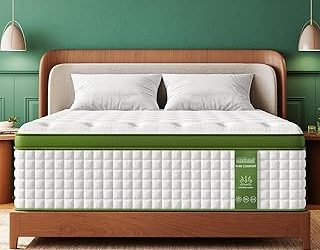
Pure Green Natural Latex Topper — Soft, 2 Inch, Queen
The default recommendation for side sleepers on a mattress that has gone too firm, this one cushions the shoulder and hip without the slow, stuck sink of memory foam. In queen it is the most broadly useful configuration Pure Green makes.
Pure Green Natural Latex Topper — Medium, 2 Inch, Twin XL
Medium is the safest choice when you are not certain, and it is especially sensible in Twin XL for split-king setups where partners want different surfaces. It softens a harsh mattress without erasing its support.
Pure Green Natural Latex Topper — Firm, 2 Inch, Twin XL
A specialist pick: firm latex adds resilience and lift rather than plushness, which suits stomach sleepers and anyone whose mattress has developed a shallow dip. Do not choose this expecting cushioning.
Oliver & Smith Premium 2-Inch GOLS Latex Topper, Queen
A well-executed soft queen slab with noticeably open airflow, positioned as a pressure-relief layer and delivering on it. A reasonable alternative if you want certified latex outside the Pure Green ecosystem.
Green Natural Organic Latex Topper — Twin, 2 Inch, Soft
Zonal shaping gives this one a plusher feel at the shoulders while staying supportive through the midsection, which is a genuine advantage for dedicated side sleepers. Twin sizing makes it a strong pick for guest rooms and children’s beds.
Frequently Asked Questions
Does latex sleep cooler than memory foam?
Yes, consistently. Latex has an open-cell structure and does not soften in response to body heat, so it neither traps warmth nor deepens its cradle as the night goes on. Convoluted versions, like the Green Natural egg-crate king, move slightly more air still.
Will a topper fix a sagging mattress?
Only partly. Latex can mask a shallow depression and restore surface comfort, but it cannot rebuild failed support underneath. If you can see the dip with the bed stripped, treat a topper as a stopgap.
How long should a latex topper last?
Natural Dunlop routinely runs eight to ten years or more, which is considerably longer than most mattresses. Rotate it end to end a couple of times a year and keep it in a breathable cover.
Is the rubbery smell a problem?
Natural latex has a faint milky scent that fades within a few days of unwrapping. It is not the chemical off-gassing associated with synthetic foams, and GOLS certification is your assurance of that distinction.
Final Thoughts
For most buyers, the Pure Green Soft 2-Inch Queen is the topper to start with — it solves the most common complaint, an overly firm mattress, with certified organic latex and no unnecessary complexity. Uncertain sleepers and split-king households should look at the Pure Green Medium Twin XL instead, while side sleepers who want a plusher, more contoured surface will get more from the Green Natural zonal soft topper.