Key takeaways
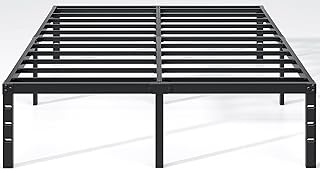
- Profile and frame math: A 14- or 16-inch mattress on a tall platform bed can push the sleep surface past 30 inches, which makes getting in and out awkward and swallows your headboard detailing. Measure your frame deck height first, then work backward.
- Foam versus hybrid: All-foam models excel at motion isolation and contouring, which suits side sleepers and light partners. Pocketed-coil hybrids give you responsive lift, stronger edges, and better airflow, which matters more for back sleepers, heavier bodies, and anyone who runs warm.
- Firmness read honestly: Medium and medium-firm labels are not standardized. Side sleepers generally want the softer end for shoulder and hip clearance; back and stomach sleepers want firmer support to keep the lumbar curve neutral.
- Cooling that does real work: Gel beads and copper infusion help, but open-cell structure, ventilated zones, and a breathable knit cover move more heat. Look for layered cooling rather than a single marketing claim.
- Trial window and certification: CertiPUR-US covers foam emissions and content, and fiberglass-free construction is worth confirming. A trial of at least 100 nights gives your body time to adjust before you commit.
What's inside
A king mattress is the one furniture purchase where the gap between what a room needs and what a budget allows tends to feel widest. Nearly 6,100 square inches of sleep surface means more foam, more coils, and more cover material than any other size, so the sub-$1,000 shelf used to be where corners got cut: thin comfort layers that bottomed out by month eight, foam that trapped heat against a partner’s body, edges that sagged the moment anyone sat down to put on shoes. That has genuinely changed. Zoned support, gel and copper infusions, and pocketed-coil hybrids have all migrated down from the premium tier, and the result is a category worth taking seriously rather than tolerating.
This guide looks at six king mattresses that land under $1,000 and evaluates them the way a designer would spec any other anchor piece in a bedroom: how the height reads against your bed frame, how the feel holds up across body types and sleep positions, and how the construction is likely to age. Below you will find the current standouts, followed by a short buying framework and answers to the questions that come up most often.
As an Amazon Associate we earn from qualifying purchases.




How to Choose a King Mattress Under $1,000 (2026)
- Profile and frame math: A 14- or 16-inch mattress on a tall platform bed can push the sleep surface past 30 inches, which makes getting in and out awkward and swallows your headboard detailing. Measure your frame deck height first, then work backward.
- Foam versus hybrid: All-foam models excel at motion isolation and contouring, which suits side sleepers and light partners. Pocketed-coil hybrids give you responsive lift, stronger edges, and better airflow, which matters more for back sleepers, heavier bodies, and anyone who runs warm.
- Firmness read honestly: Medium and medium-firm labels are not standardized. Side sleepers generally want the softer end for shoulder and hip clearance; back and stomach sleepers want firmer support to keep the lumbar curve neutral.
- Cooling that does real work: Gel beads and copper infusion help, but open-cell structure, ventilated zones, and a breathable knit cover move more heat. Look for layered cooling rather than a single marketing claim.
- Trial window and certification: CertiPUR-US covers foam emissions and content, and fiberglass-free construction is worth confirming. A trial of at least 100 nights gives your body time to adjust before you commit.
The Best King Mattresses Under $1,000, Reviewed
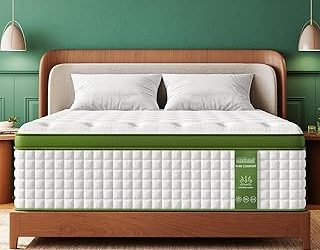
Sweetnight CoolNest 14-Inch Cooling Memory Foam
The five-zone layout is the reason to look here: firmer foam under the lumbar region, softer response at the shoulders, which keeps side sleepers aligned without the sinking feeling cheaper foam produces. At 14 inches with an emphasis on breathability, it reads as a substantial bed rather than a budget compromise.
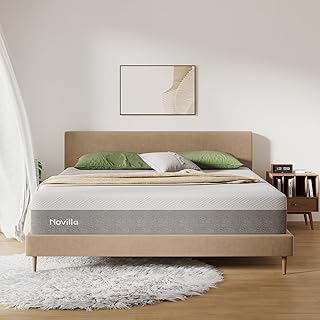
Novilla 14-Inch Gel Memory Foam King
A strong pick for couples on mismatched schedules, since the gel foam stack absorbs movement almost completely and one person turning over rarely registers on the other side. Expect a plush, close-contouring medium feel that suits side and combination sleepers best.
Novilla Bliss 12-Inch Gel Memory Foam
The lower-profile sibling, and often the smarter choice for storage beds or frames that already sit high. Its medium-plush surface over a firmer support core handles spine alignment well, though heavier back sleepers may prefer more lift than 12 inches of foam provides.
EGOHOME 12-Inch Copper Gel Memory Foam
Built around back-pain relief with a medium-firm response, copper-gel infusion, and a graphene-tech cover that helps pull heat away from the surface. The fiberglass-free construction and CertiPUR-US certification make it an easy recommendation for anyone prioritizing materials transparency.
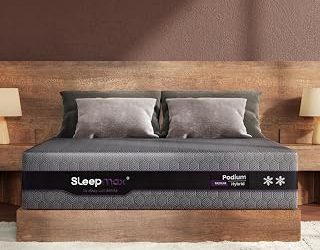
16-Inch Luxury Hybrid with 7-Zone Support
The most hotel-like option in the group: seven support zones over coils deliver genuine pushback and noticeably better edge stability than the all-foam picks. Just confirm your sheets are deep-pocket rated, because 16 inches will defeat standard fitted sheets.
Frequently Asked Questions
Is a hybrid worth it over all-foam at this price?
If you sleep hot, sleep on your back, or weigh more than about 230 pounds, yes. Coils add airflow, edge strength, and support that foam alone struggles to replicate under sustained load. Otherwise, all-foam usually offers better pressure relief per dollar.
How long will a sub-$1,000 king last?
Realistically seven to ten years with a supportive foundation, less if the slats are spaced wider than three inches. Inadequate support is the most common cause of premature sagging, not the mattress itself.
Do these need a box spring?
No. Every model here is designed for a platform, slatted frame, or adjustable base. A traditional box spring will feel too springy underneath and can void the warranty.
Why does a new mattress smell at first?
Off-gassing from compressed foam is normal and typically clears within 24 to 72 hours in a ventilated room. CertiPUR-US certification means emissions have been tested against defined limits.
Final Thoughts
For most bedrooms, the Sweetnight CoolNest 14-Inch is the balanced default, pairing zoned support with real cooling at a fair price. Choose the EGOHOME 12-Inch if back comfort and material certification top your list, or step up to the 16-Inch 7-Zone Hybrid when you want coil support and a more luxurious, high-profile presence in the room.