Key takeaways
- Thickness: A 2-inch layer subtly softens a firm mattress, while 3 inches creates a more noticeable change in support and cushioning.
- Cooling design: Gel infusions, perforated foam, graphite, and breathable fabrics can help manage heat, although no foam topper will feel as airy as an innerspring surface.
- Pressure relief: Side sleepers often benefit from deeper cushioning at the shoulders and hips; back and stomach sleepers may prefer a thinner, more responsive layer.
- Fit and stability: Check the exact mattress dimensions, corner straps, and fitted-sheet compatibility. A topper that shifts overnight quickly becomes a daily annoyance.
- Care: Look for a removable, washable cover when possible, and confirm whether the foam itself can be spot-cleaned only. A waterproof pad may be a sensible companion for guest or dorm beds.
What's inside
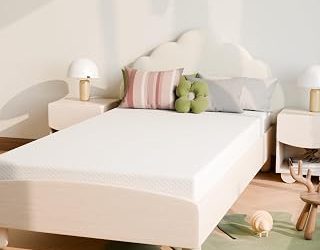
A memory foam mattress cover can change the feel of a bed dramatically—but choosing one is rarely as simple as picking the thickest option. Cooling claims, foam density, washable covers, pocket depth, and mattress compatibility all affect whether a topper feels like a thoughtful upgrade or an expensive layer of frustration.
This guide focuses on the details that matter in a modern bedroom: pressure relief without excessive sink, breathable construction for warmer sleepers, practical maintenance, and a finish that works with everything from a minimalist platform bed to a college dorm setup. The selections below span affordable comfort layers, premium materials, and protective alternatives.
As an Amazon Associate we earn from qualifying purchases.


How to Choose a Memory Foam Mattress Cover (2026)
- Thickness: A 2-inch layer subtly softens a firm mattress, while 3 inches creates a more noticeable change in support and cushioning.
- Cooling design: Gel infusions, perforated foam, graphite, and breathable fabrics can help manage heat, although no foam topper will feel as airy as an innerspring surface.
- Pressure relief: Side sleepers often benefit from deeper cushioning at the shoulders and hips; back and stomach sleepers may prefer a thinner, more responsive layer.
- Fit and stability: Check the exact mattress dimensions, corner straps, and fitted-sheet compatibility. A topper that shifts overnight quickly becomes a daily annoyance.
- Care: Look for a removable, washable cover when possible, and confirm whether the foam itself can be spot-cleaned only. A waterproof pad may be a sensible companion for guest or dorm beds.
The Best Memory Foam Mattress Covers (2026) Reviewed
Best Price Mattress 3-Inch Ventilated Memory Foam Topper
This cooling-gel, ventilated topper is a strong entry point for shoppers who want a more forgiving sleep surface without moving into premium pricing. Its 3-inch profile offers substantial cushioning, while CertiPUR-US certification and a dorm-friendly format make it an appealing refresh for a first apartment, guest room, or budget bedroom.
Lucid 3-Inch Cooling Gel Memory Foam Topper
Lucid’s ventilated design targets the two complaints most often associated with foam: heat retention and a dense, overly enveloping feel. The deep-plush profile is particularly suited to side sleepers and firm mattresses, though sleepers who prefer easy movement may want a thinner topper.
Tempur-Pedic TEMPUR-Adapt + Cooling Topper
This medium-feel TEMPUR option is the polished choice for shoppers who prioritize pressure distribution and a more refined foam experience. Its washable cover adds everyday practicality, while the cooling construction and responsive contouring make it well suited to a primary bedroom where comfort and finish both matter.
Serta ThermaGel Cooling 2-Inch Topper
Serta’s 2-inch ThermaGel design is a sensible middle ground: enough cushioning to smooth out a firm or aging mattress, without dramatically changing the bed’s overall height. The Twin XL size is especially useful for dorm rooms, adjustable sleep setups, and narrow guest spaces.
Saatva Graphite Memory Foam Topper
With a graphite-infused foam layer, organic cotton cover, and motion-isolating construction, Saatva’s topper brings a distinctly elevated feel to the category. It is a compelling pick for couples and design-conscious bedrooms where temperature management, quiet movement, and tactile quality deserve equal attention.
Frequently Asked Questions
Is a memory foam mattress cover the same as a mattress topper?
The terms are often used interchangeably, although “mattress topper” usually refers to a thicker comfort layer placed on top of the mattress. A mattress cover may also mean a thin protective encasement, so check the product description for foam thickness and construction before buying.
How thick should a memory foam topper be?
Choose 2 inches for moderate softening or when you want to preserve the mattress’s original support. A 3-inch topper creates a more pronounced plush feel and is often better for side sleepers or very firm mattresses.
Will memory foam toppers sleep hot?
Some can, particularly dense traditional foam. Ventilation, cooling gel, graphite, breathable covers, lightweight bedding, and a well-ventilated bed base can all help, but individual sleep temperature and room conditions still make a difference.
Can I use a Twin XL mattress pad on a dorm bed?
Yes, provided the dimensions match the mattress and the fitted skirt accommodates its height. The Bedsure Twin XL Mattress Topper, for example, emphasizes a waterproof surface, pillow-top feel, and deep pockets—features that can be practical in a college room.
Final Thoughts
For affordable, noticeable cushioning, the Best Price Mattress topper is a practical starting point; Lucid is a strong choice for a plush cooling feel; and Saatva is the most considered upgrade for a primary bedroom. Choose by sleep position, preferred firmness, and maintenance needs—not thickness alone.