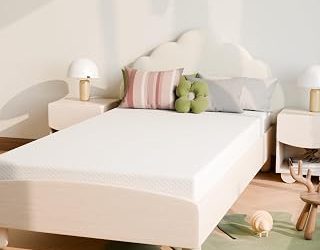
Key takeaways
- Profile height: Aim for 12 inches minimum and treat 14 inches as the target. Height is a proxy for how much support foam sits below you, and support foam is what prevents the hammock effect over time.
- Firmness feel: A medium-firm rating reads noticeably softer to a heavier sleeper than to a lighter one, because you compress more of each layer. If you’re between two options, size up in firmness rather than down.
- Zoned support: Targeted or five-zone constructions firm up the lumbar region while staying softer at the shoulders. That differentiation matters more, not less, as body weight increases.
- Cooling construction: Look for gel or copper infusions plus a breathable cover such as graphene-treated or cool-touch nylon knit. Passive cooling only goes so far, but the difference between a plain poly cover and an engineered one is real.
- Certifications and safety: CertiPUR-US confirms the foam is made without ozone depleters, heavy metals, or formaldehyde. Fiberglass-free construction is worth seeking out if you ever plan to remove the cover.
What's inside
Shopping for a mattress when you carry more weight is an exercise in reading between the lines. Most spec sheets talk about plushness and cooling, but say very little about the thing that actually matters at higher body weights: whether the foam underneath will still hold its shape in year three. Softer, thinner beds tend to compress at the hips and shoulders, which drags the spine out of neutral alignment and leaves you waking up sore in exactly the places you hoped a new mattress would fix. Heat is the second half of the problem, since deeper sink means more of your body is surrounded by foam rather than open air.
The good news is that the 14-inch all-foam category has quietly become the sweet spot for larger sleepers. That extra height leaves room for a genuinely substantial high-density support core beneath the comfort layers, rather than a thin slab of base foam doing all the work. Below are six boxed memory foam mattresses worth a serious look in 2026, followed by the specs I’d prioritize, short reviews of the standouts, and answers to the questions that come up most often.
As an Amazon Associate we earn from qualifying purchases.


How to Choose a Memory Foam Mattress For Heavy People (2026)
- Profile height: Aim for 12 inches minimum and treat 14 inches as the target. Height is a proxy for how much support foam sits below you, and support foam is what prevents the hammock effect over time.
- Firmness feel: A medium-firm rating reads noticeably softer to a heavier sleeper than to a lighter one, because you compress more of each layer. If you’re between two options, size up in firmness rather than down.
- Zoned support: Targeted or five-zone constructions firm up the lumbar region while staying softer at the shoulders. That differentiation matters more, not less, as body weight increases.
- Cooling construction: Look for gel or copper infusions plus a breathable cover such as graphene-treated or cool-touch nylon knit. Passive cooling only goes so far, but the difference between a plain poly cover and an engineered one is real.
- Certifications and safety: CertiPUR-US confirms the foam is made without ozone depleters, heavy metals, or formaldehyde. Fiberglass-free construction is worth seeking out if you ever plan to remove the cover.
The Best Memory Foam Mattress For Heavy People (2026)s Reviewed
EGOHOME 14-Inch Copper Gel Memory Foam
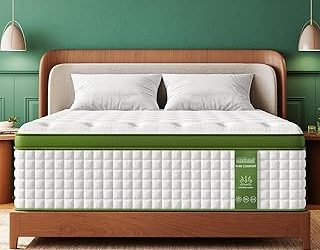
This is the most thoughtfully specced bed in the group: copper gel infusion, a graphene-cool-tech cover, fiberglass-free construction, and an ICA endorsement for back-pain support. The medium-firm feel plus the full 14-inch profile makes it my default recommendation for larger sleepers who want one mattress to solve both the heat and the alignment problem.
Novilla 14-Inch Gel Memory Foam Mattress in a Box
The straightforward pick, and a strong one. You get a 14-inch CertiPUR-US gel foam build with genuinely good motion isolation, which matters if you share the bed and your partner is a lighter sleeper who feels every shift.
Novilla Bliss 14-Inch Zoned Gel Memory Foam
The Bliss adds target-zoned support to Novilla’s formula, firming up through the midsection where heavier sleepers tend to sink first. If your primary complaint is lower back stiffness rather than overheating, this is the more targeted choice of the two Novillas.
Cool Gel Chill 14-Inch Memory Foam
A no-frills gel memory foam build with a straightforward cooling focus, bundled with two pillows. It’s the practical option for a guest room or a second bedroom where you want the 14-inch profile without paying for zoning and specialty covers.
Sweetnight CoolNest 14-Inch 5-Zone
Sweetnight’s five-zone ergonomic layout is the most granular support map here, pairing a medium feel with a breathability-focused construction. Good fit for combination sleepers who rotate between back and side through the night.
Frequently Asked Questions
Is memory foam or a hybrid better at higher body weights?
Both work, but the deciding factor is density rather than material. A 14-inch all-foam bed with a substantial high-density core often outperforms a thin hybrid with a soft comfort layer. Check the manufacturer’s stated weight capacity before committing.
How long does a foam mattress last for a heavier sleeper?
Expect a somewhat shorter service life than the marketing suggests, since compression cycles are harder on foam at higher loads. Rotating the mattress head to foot every few months genuinely helps distribute wear.
Do I need a special foundation?
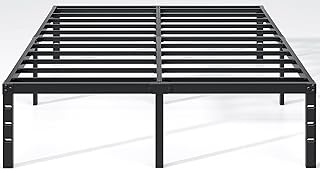
Yes, and this is the most common mistake. Foam mattresses need continuous or closely spaced slat support, typically 3 inches apart or less. Wide slats create sag that looks like a mattress defect but is really a frame problem, and it can void the warranty.
How long until a boxed mattress feels right?
Give it 24 to 72 hours to fully expand and two to four weeks for your body to adjust. Judging a foam bed on night one is how good mattresses get returned.
Final Thoughts
If you want the strongest all-around package, the EGOHOME 14-inch copper gel build covers the most ground with its fiberglass-free construction and graphene cover. For zoned lumbar support at a friendlier price, the Novilla Bliss is the smarter buy, and the Novilla Bliss Cooling version is worth the small step up if you sleep hot enough that the cool-touch nylon cover would earn its keep.