Key takeaways
- Match the height to the frame: Bunk beds and trundles usually need 6 to 8 inches so guardrails still clear the sleeping surface, while a platform bed or adult daybed handles 10 to 12 inches comfortably. Measure before you fall for a thicker model.
- Read firmness as body weight, not preference: Twin sleepers are often lighter, and a “medium firm” that suits a 180-pound adult can feel like plywood to a 60-pound child. Lighter sleepers generally want medium or medium-plush; heavier sleepers need firmer support to avoid bottoming out.
- Look for zoning or a dual-layer build: Gel infusion alone is marketing. What genuinely changes how a foam mattress ages is a distinct transition layer and targeted support under the lumbar zone, which keeps hips from sinking past the spine’s neutral line.
- Insist on CertiPUR-US, and consider OEKO-TEX too: These certifications cover emissions, content, and durability testing on the foam and cover materials — non-negotiable for a bed a child sleeps on ten hours a night.
- Weigh the trial period against the return logistics: A compressed mattress cannot go back in its box. A generous in-home trial is worth more than a shorter one with a tidier return policy, because you’ll know within a month whether the feel is right.
What's inside
Twin mattresses carry an unfair amount of weight in a home. They’re the bed in the guest alcove, the top bunk in a shared kids’ room, the daybed doing double duty as a sofa in a small studio. Because they’re inexpensive relative to a queen, they also attract the thinnest, most cheaply built foam on the market — the kind that feels plush for six weeks and then develops a permanent hip-shaped valley. The result is a category where the price spread is narrow but the quality spread is enormous.
This guide sorts the memory foam twins worth putting in a real room from the ones that only look good in a photo. We’ve weighted the picks by profile height (which matters more than most buyers realize for bunks and trundles), foam density and zoning, cooling construction, and certification — plus honest notes on who each one is actually for, from a growing eight-year-old to an adult sleeping on a twin full-time.
As an Amazon Associate we earn from qualifying purchases.




How to Choose a Memory Foam Twin Mattress (2026)
- Match the height to the frame: Bunk beds and trundles usually need 6 to 8 inches so guardrails still clear the sleeping surface, while a platform bed or adult daybed handles 10 to 12 inches comfortably. Measure before you fall for a thicker model.
- Read firmness as body weight, not preference: Twin sleepers are often lighter, and a “medium firm” that suits a 180-pound adult can feel like plywood to a 60-pound child. Lighter sleepers generally want medium or medium-plush; heavier sleepers need firmer support to avoid bottoming out.
- Look for zoning or a dual-layer build: Gel infusion alone is marketing. What genuinely changes how a foam mattress ages is a distinct transition layer and targeted support under the lumbar zone, which keeps hips from sinking past the spine’s neutral line.
- Insist on CertiPUR-US, and consider OEKO-TEX too: These certifications cover emissions, content, and durability testing on the foam and cover materials — non-negotiable for a bed a child sleeps on ten hours a night.
- Weigh the trial period against the return logistics: A compressed mattress cannot go back in its box. A generous in-home trial is worth more than a shorter one with a tidier return policy, because you’ll know within a month whether the feel is right.
The Best Memory Foam Twin Mattresses (2026), Reviewed
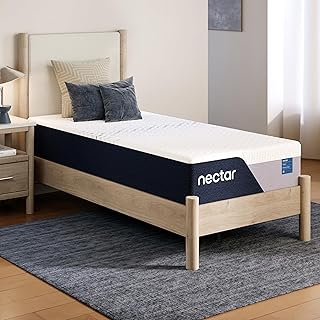
Nectar 12″ Twin Memory Foam Mattress
The most substantial twin here, with a 12-inch build and a medium-firm feel that holds up under adult weight rather than just tolerating it — the right call for a studio bed or a guest room you actually want guests to return to. The year-long trial is the longest in the category and effectively removes the guesswork from buying foam unseen.
Novilla Bliss 10″ Gel Memory Foam Twin
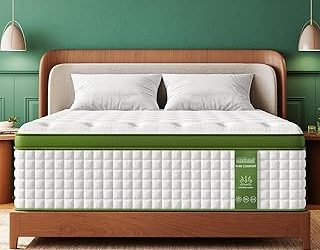
Zoned support is what separates the Bliss from Novilla’s standard 10-inch model, with firmer foam through the midsection to keep the lower back from collapsing into the comfort layer. Its medium-plush surface is a smart pick for side sleepers and anyone who finds most budget foam unforgivingly stiff.
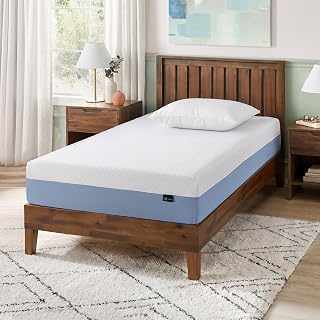
Zinus 8″ Cooling Essential Memory Foam Twin
Zinus has spent a decade refining this exact recipe, and the 8-inch cooling model is the most predictable buy on the list — a true medium feel with both CertiPUR-US and OEKO-TEX certification behind it. The lower profile suits bunk beds and standard twin frames without overwhelming the guardrails.
MLILY 8″ Green Tea Memory Foam Twin for Kids
Built specifically around a child’s frame at 75″ x 38″, with green tea and charcoal infusions that meaningfully cut the odor and moisture buildup kids’ beds accumulate. Medium-firm is the correct firmness for a growing sleeper, and the height works for daybeds and bunks alike.
FDW 5″ Gel Memory Foam Twin
A 5-inch dual-construction mattress is a specialist tool, not a compromise — it’s the answer for trundles, camper bunks, and tight-clearance loft beds where anything thicker won’t close or clear. The removable washable cover is a genuinely practical touch for occasional-use beds.
Frequently Asked Questions
How thick should a twin memory foam mattress be?
Six to eight inches for bunks, trundles, and children under roughly 100 pounds; ten to twelve inches for teens and adults who sleep on it nightly. Thickness buys support depth, not comfort — a thin mattress under a heavier sleeper compresses to the frame regardless of how soft it feels at first.
Do memory foam mattresses sleep hot?
Older all-foam builds did, because foam traps body heat with nowhere to vent. Current gel-infused and open-cell constructions manage heat far better, though no foam mattress moves air the way an innerspring does. Pairing one with breathable cotton or bamboo sheets makes a noticeable difference.
How long does off-gassing take?
Unbox it in a ventilated room and expect the smell to fade within 24 to 72 hours. Give the mattress at least 24 hours to fully expand before sleeping on it, and up to 72 for thicker models to reach their true firmness.
Can a memory foam twin go on a slatted frame?
Yes, provided the slats sit no more than three inches apart. Wider gaps let the foam sag between them, which creates uneven support and can void the warranty. A bunkie board or plywood sheet solves the problem cheaply.
Final Thoughts
For a twin that an adult will sleep on every night, the Nectar 12″ is the clear choice — deeper support, a firmer feel, and a trial period long enough to be sure. The Zinus 8″ Cooling Essential is the most sensible pick for bunks and everyday twin frames, and the MLILY 8″ Green Tea is purpose-built for a child’s room in ways the others aren’t.