Key takeaways
- Comfort layer depth: Look for at least three inches of foam above the support core. Side sleepers need the top of the mattress to yield around the shoulder while the layers underneath stay firm, and a thin comfort layer simply cannot do both.
- Feel, not firmness numbers: Medium and medium-soft suit most side sleepers, but the scale is unregulated. Weight matters more than the label: lighter sleepers sink less and often prefer softer builds, while heavier sleepers get better alignment from a firmer hybrid.
- Hybrid versus all-foam: Pocketed coils give you edge stability, easier movement, and better airflow. All-foam gives deeper contouring and near-total motion isolation. Choose coils if you share the bed or shift positions, foam if you want to feel held.
- Heat management: Side sleeping puts more of your body in contact with the surface, so trapped heat is a real problem. Gel infusions, copper or graphene treatments, and breathable covers all help; open coil layers help most.
- Certifications and trial length: CertiPUR-US confirms foam content, fiberglass-free construction matters if a cover ever comes off, and a trial of at least 100 nights gives your body the four to six weeks it needs to adapt.
What's inside
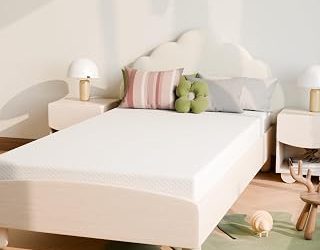
Side sleeping is the most common position in the world and the most poorly served by mattress marketing. Curl onto your side and your body stops being a flat plane: the shoulder and hip become two pressure points carrying most of your weight, while the waist and neck need something to fill the gap. A surface that feels supportive standing beside it in a showroom can leave you with a numb arm at 3 a.m. and a low back that argues with you until noon. The online mattress category has quietly solved a lot of this, but the labels rarely tell you which models actually cradle a shoulder and which just look plush in a photo.
This guide is written from a furnishing perspective as much as a sleep one, because a bed is the largest soft object in most bedrooms and it has to work for both your spine and your space. Below you will find a short buying framework built around the things that genuinely matter for side sleepers, followed by hands-on style assessments of the standout boxed mattresses available this year, from budget hybrids to premium memory foam. Everything here ships compressed, unrolls in an afternoon, and comes with a trial window long enough to know for certain.
As an Amazon Associate we earn from qualifying purchases.


How to Choose a/an Online Mattress For Side Sleepers (2026)
- Comfort layer depth: Look for at least three inches of foam above the support core. Side sleepers need the top of the mattress to yield around the shoulder while the layers underneath stay firm, and a thin comfort layer simply cannot do both.
- Feel, not firmness numbers: Medium and medium-soft suit most side sleepers, but the scale is unregulated. Weight matters more than the label: lighter sleepers sink less and often prefer softer builds, while heavier sleepers get better alignment from a firmer hybrid.
- Hybrid versus all-foam: Pocketed coils give you edge stability, easier movement, and better airflow. All-foam gives deeper contouring and near-total motion isolation. Choose coils if you share the bed or shift positions, foam if you want to feel held.
- Heat management: Side sleeping puts more of your body in contact with the surface, so trapped heat is a real problem. Gel infusions, copper or graphene treatments, and breathable covers all help; open coil layers help most.
- Certifications and trial length: CertiPUR-US confirms foam content, fiberglass-free construction matters if a cover ever comes off, and a trial of at least 100 nights gives your body the four to six weeks it needs to adapt.
The Best Online Mattress For Side Sleepers (2026)s Reviewed
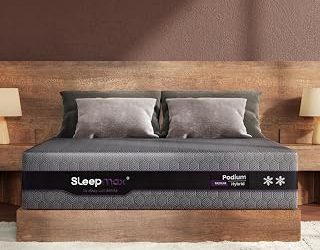
Sleepmax 14 Inch Hybrid Queen
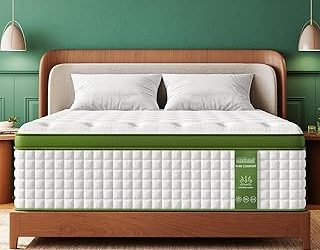
A genuinely well-balanced hybrid that reads medium under the hips but lets the shoulder drop, which is the exact combination side sleepers should be hunting for. The 365-night trial and fiberglass-free build make it the low-risk pick for anyone leaving an old innerspring behind for the first time.
Soft Plush 14 Inch Hybrid
Purpose-built for side sleeping, with a gel memory foam comfort layer thick enough to absorb a shoulder without letting the waist collapse. Best suited to lighter and average-weight sleepers, since the softer surface can feel too forgiving under heavier frames.
Nectar Premier 13 Inch Memory Foam
The most refined all-foam option here, with a slow, enveloping response that quiets a shared bed almost completely. It leans medium-firm rather than plush, so it suits side sleepers who want alignment first and cushioning second.
EGOHOME 14 Inch Copper Gel Memory Foam
Thoughtfully engineered for combination sleepers who spend most of the night on their side but wake up on their back. The copper-infused foam and graphene cover keep surface temperature in check, and it is one of the better choices for lumbar complaints.
Sweetnight CoolNest 14 Inch King
The zoned support layer is the story here, softening at the shoulder and firming under the hips so your spine stays level without you thinking about it. In king, it is a strong value for couples who both sleep on their sides.
Frequently Asked Questions
How firm should a mattress be for side sleepers?
Medium to medium-soft works for most people. The goal is a surface that lets your shoulder and hip settle in while keeping your spine in a straight line, which usually means softer than a back sleeper would choose.
Is memory foam or a hybrid better for side sleeping?
Both work. Hybrids suit sleepers who want responsiveness, cooler airflow, and firm edges. Memory foam suits those who prefer deep contouring and minimal motion transfer.
How long does a new mattress take to feel right?
Give it two to four weeks. Your body adapts to new support gradually, and early stiffness is common even on the correct mattress. Let the bed fully expand for 24 to 72 hours before judging it.
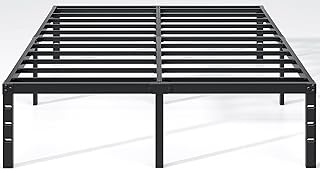
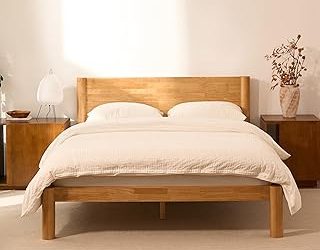
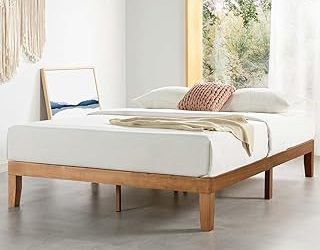
Do I need a specific bed frame?
Any solid or slatted platform with gaps under three inches will do. Boxed mattresses do not need a traditional box spring, and a firm, even base keeps the support layers performing as designed.
Final Thoughts
If you want one confident recommendation, the Sleepmax 14 Inch Hybrid delivers the best mix of shoulder relief, cooling, and trial protection at a sensible price. Dedicated side sleepers who prefer a softer landing should look at the Soft Plush 14 Inch Hybrid, while anyone who values a quiet, contouring all-foam feel will be happiest with the Nectar Premier.