Key takeaways
- Height and build: A 10-inch all-foam bed suits lighter sleepers and guest rooms. Once you pass roughly 180 pounds or sleep on your side, 12 to 14 inches gives you enough compression depth before you feel the base layer.
- Foam versus hybrid: Memory foam cradles and quiets motion; pocketed-coil hybrids push back, breathe better, and make it easier to change position. Combination sleepers almost always prefer the hybrid response.
- Cooling that is structural, not cosmetic: Gel beads and copper infusions help modestly. Airflow through a coil unit or a graphene-treated cover does more. Treat “cooling” claims as a spectrum, not a switch.
- Certifications and fiberglass: CertiPUR-US covers foam emissions and content. Separately, confirm the fire barrier is fiberglass-free — a shredded glass layer inside a cover is a genuine mess if the zipper ever opens.
- Trial length over warranty length: Your body needs two to four weeks to adapt. A 100-night trial is workable; a 365-night trial removes the risk entirely. A 10-year warranty matters far less in practice.
What's inside
Buying a mattress used to mean an afternoon of awkward test-lying under fluorescent lights, followed by a delivery window three weeks out. Compressed mattresses changed that math, but they introduced a new problem: the specs on the box now do the selling. Foam density, coil zoning, gel infusions, cover fabrics, certifications, trial lengths — all of it arrives as a wall of text, and very little of it tells you how the bed will actually feel at 3 a.m. in July.
This guide cuts through it. I have grouped the strongest options available right now by what they genuinely solve — heat retention, lumbar collapse, partner movement, budget constraints — and translated the marketing language into plain terms. Below you will find the picks, a short framework for narrowing your own shortlist, and honest notes on where each mattress earns its place and where it compromises.
As an Amazon Associate we earn from qualifying purchases.


How to Choose an Online Mattress In A Box (2026)
- Height and build: A 10-inch all-foam bed suits lighter sleepers and guest rooms. Once you pass roughly 180 pounds or sleep on your side, 12 to 14 inches gives you enough compression depth before you feel the base layer.
- Foam versus hybrid: Memory foam cradles and quiets motion; pocketed-coil hybrids push back, breathe better, and make it easier to change position. Combination sleepers almost always prefer the hybrid response.
- Cooling that is structural, not cosmetic: Gel beads and copper infusions help modestly. Airflow through a coil unit or a graphene-treated cover does more. Treat “cooling” claims as a spectrum, not a switch.
- Certifications and fiberglass: CertiPUR-US covers foam emissions and content. Separately, confirm the fire barrier is fiberglass-free — a shredded glass layer inside a cover is a genuine mess if the zipper ever opens.
- Trial length over warranty length: Your body needs two to four weeks to adapt. A 100-night trial is workable; a 365-night trial removes the risk entirely. A 10-year warranty matters far less in practice.
The Best Mattresses in a Box, Reviewed
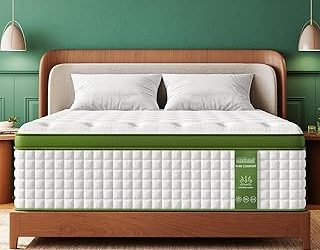
EGOHOME 14″ Copper Gel Memory Foam
This is the pick for people whose lower back complains before their alarm does — the transition layer is firm enough to keep hips from sinking out of alignment, while the graphene-treated cover keeps surface temperature reasonable for a bed this thick. Motion isolation is excellent, so it also works well if one of you is a restless sleeper.
Luxury Hotel Cooling Hybrid 14″
Zoned pocketed springs mean the mattress is deliberately softer at the shoulder and firmer through the lumbar region, which is exactly what side sleepers need and rarely get at this price. The 365-night trial is the most generous on this list and makes it the lowest-risk purchase here.
Novilla 12″ Gel Memory Foam
A clean, unfussy all-foam build that lands near true medium — forgiving enough for side sleeping without the quicksand feeling that puts people off memory foam. Best suited to guest rooms, teenagers, and anyone furnishing a space where the mattress does not need to be the headline.
EGOHOME 10″ Green Tea Gel
The slimmest option here, which is a feature if you are working with a low platform bed, a bunk, or a daybed where a 14-inch slab would swallow the frame. Medium-firm support with sensible pressure relief; heavier sleepers should size up in height instead.
12″ Hybrid Pocket Spring
The value hybrid of the group: coils supply the lift and airflow that all-foam beds cannot, with a foam comfort layer thin enough to keep the surface responsive. A sound default if you want spring feel without paying for a premium build.
Frequently Asked Questions
How long does a mattress in a box take to expand?
Most reach usable shape within a few hours and full loft in 24 to 72 hours. Unbox it in the room where it will live, since a fully expanded queen is unwieldy through doorways.
Is the off-gassing smell a problem?
A faint chemical odor for the first two or three days is normal for compressed foam and dissipates with ventilation. CertiPUR-US certification means emissions have been tested against defined limits.
Do I need a box spring?
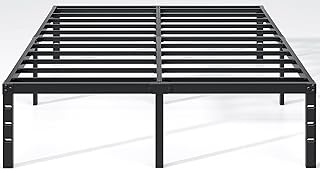
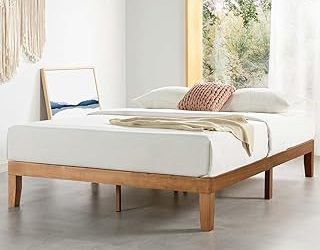
No. These mattresses need a flat, supported surface — a platform frame, solid foundation, or slats spaced no more than about three inches apart. Wider gaps cause sagging and can void the warranty.
Foam or hybrid for a hot sleeper?
Hybrid, in most cases. Air moves through a coil unit in a way it cannot move through a solid foam core, and that difference outweighs any gel or copper infusion.
Final Thoughts
If back pain is the driver, the EGOHOME 14″ copper gel model is the most targeted choice on this list. If you sleep hot, share the bed, or simply want the safety net of a year-long trial, the zoned Luxury Hotel Cooling Hybrid is the smarter buy. For a secondary bedroom where good enough is genuinely good enough, the Novilla 12″ does the job without overthinking it.