Key takeaways
- Place the liner on the rack below the dish, with at least 1 inch of clearance on every side so air can move.
- Do not cover the oven floor of a gas oven, since the burner and vents sit beneath it.
- Do not line the floor of electric ovens with a hidden bake element unless the oven manual allows it.
- Remove the liner before any self-clean cycle; temperatures exceed liner ratings.
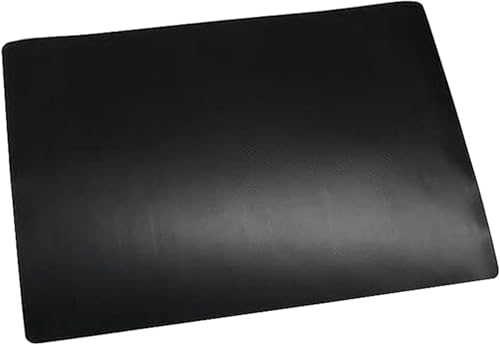
The best oven liner is a 0.2 mm PTFE-coated fiberglass sheet cut to 17 by 25 inches and placed on a lower rack, not on the oven floor, because that spot catches drips without blocking vents or touching the heating element. Silicone liners are the reusable alternative, and heavy aluminum foil is the disposable one. All three need correct placement to be safe.
Our top picks


As an Amazon Associate we earn from qualifying purchases at no extra cost to you.
Liner materials compared
| Material | Typical heat limit | Reusable | Flexibility | Main drawback |
|---|---|---|---|---|
| PTFE-coated fiberglass | About 500°F | Yes, wipe or rinse | Semi-rigid, can be trimmed | Not for direct flame or contact with elements |
| Silicone | About 450-500°F | Yes, often dishwasher safe | Very flexible | Can stain or hold odors |
| Heavy aluminum foil | Higher than oven range | Single use | Moldable | Can reflect heat and damage some oven bottoms |
Heat limits are the makers’ stated figures, so read the label on the specific sheet you buy.
Picks
Goldeer PTFE-coated fiberglass liners: best standard pick
Goldeer sells Teflon-coated fiberglass liners rated to 500°F and marketed as BPA and PFOA free. Their thickness is around 0.2 mm, thicker than many competitors, which helps resist curling and tearing.
ThreadNanny liners: best for easy trimming
A fiberglass-based liner that can be cut to fit smaller ovens. Useful for 24-inch wall ovens or toaster-style units where the standard 17 by 25 inch size is too big.
Silicone oven liner sheets: best for dishwasher cleaning
Flexible sheets that slide onto a lower rack and clean up in a sink or dishwasher. Prefer them for baked-on cheese or fruit pie drips.
Heavy-duty aluminum foil liners: best disposable option
Sold in multi-packs and shaped for ovens, they are convenient but should never be laid across a gas oven floor or draped over a heating element.
Where to put a liner
- Place the liner on the rack below the dish, with at least 1 inch of clearance on every side so air can move.
- Do not cover the oven floor of a gas oven, since the burner and vents sit beneath it.
- Do not line the floor of electric ovens with a hidden bake element unless the oven manual allows it.
- Remove the liner before any self-clean cycle; temperatures exceed liner ratings.
Sizing
A standard 30-inch oven usually fits a 17 by 25 inch liner on a rack. Measure the interior width and depth and subtract 1 inch from each dimension. For double wall ovens and 24-inch ovens, trim a larger sheet with scissors to an inch smaller than the rack.
Decision matrix
- Frequent casseroles and pies: reusable PTFE or silicone.
- Renters wanting clean oven at move-out: any liner, placed on the lower rack.
- Gas oven: rack-level liner only, never the floor.
- Convection oven: thin PTFE so airflow stays free; skip thick silicone.
- Pizza and high-heat roasting: check that the liner’s rating stays above the oven setting.
Durability realities
Liners typically fail at the corners first, where heat concentrates and creases form. Fold them as little as possible and store flat. Avoid sharp knives or metal scrapers, which cut through the coating. If a liner gets sticky, scorched or flaking, replace it.
Frequently asked questions
Do oven liners prevent smoke?
They catch drips so less burns on the oven floor, which reduces smoking. They do not stop smoke from food on the pan itself.
Are PTFE liners safe?
Used within the stated temperature limit, they are designed for oven use. Never exceed the rated heat, and keep birds out of the kitchen, since overheated PTFE can release fumes harmful to pet birds.
Can I use a liner in an air fryer oven?
Only if the maker allows it and it does not block airflow.
How to clean and store liners
Let the liner cool completely before touching it. For PTFE sheets, wipe with a soft sponge and warm soapy water; scrubbing pads can scratch the coating. For stubborn burnt-on spots, soak the liner for ten minutes first. Silicone liners can usually go on the top rack of a dishwasher, but check the label. Dry flat, then store rolled loosely or lying flat, never creased tightly.
| Problem | Likely cause | Fix |
|---|---|---|
| Liner curls up at the edges | Thin sheet or uneven heat | Choose 0.2 mm or thicker, weigh down with the pan |
| Food smell on the liner | Absorbed grease | Soak with warm soapy water and baking soda |
| Burnt spot on the oven floor | Liner placed too low | Raise it to a lower rack with clearance |
| Uneven baking | Liner blocking airflow | Trim to leave 1 inch of free space on every side |
When a liner is not the right fix
A liner catches drips but it does not replace a drip tray on a pie plate or casserole dish. For very juicy dishes, set a rimmed baking sheet on the rack below instead, and use the liner on that sheet. If your oven has a hidden bake element, check the manual before placing anything on the floor, since blocking heat can damage the oven. And if the liner discolors or smokes at moderate temperatures, stop using it and replace it with a rated sheet.