Key takeaways
- Measure the platform, not the old mattress: Foam compresses and edges round off over years of use, so tape out the frame itself. Short queen is nominally 60 x 75 inches, but coach builders vary by an inch or two, and a snug fit prevents the sheet-pulling gap along the wall side.
- Match profile to clearance and payload: Six to eight inches suits bunks, drop-down beds, and anything under a low ceiling or overhead cabinet. Ten to twelve inches gives a more residential feel in a master berth, provided you have the headroom and the cargo capacity to spare.
- Read the safety labels: CertiPUR-US and OEKO-TEX indicate tested foam and textile content, and explicit fiberglass-free construction matters in a vehicle where covers get removed and reinstalled during seasonal storage.
- Plan for moisture and heat: Solid memory foam over a sealed plywood base traps condensation. Look for gel infusions, open-cell or perforated cores, and breathable knit covers, then add a slatted or mesh underlayment to let the underside dry.
- Consider motion and edge behavior: Narrow berths mean you sleep closer to the perimeter and closer to your partner. Strong motion isolation and a reinforced or dense edge make a 60-inch width feel considerably more generous than it measures.
What's inside
An RV bed is one of the few places in a home where five inches changes everything. A short queen measures roughly 60 by 75 inches, and that missing length is the reason so many owners end up sleeping on the slab of low-density foam the manufacturer bolted in at the factory. It sags in the middle of the second season, traps humidity against a plywood platform, and turns a beautifully finished coach interior into a place nobody actually wants to lie down. Add tight bunk clearances, cargo weight limits, and slide-out geometry that punishes anything too tall, and the shopping process starts to feel like a compromise rather than an upgrade.
This guide treats the RV berth the way we would treat any small, high-use space in a home: as a design problem with real constraints and real solutions. Below you will find current short queen picks worth considering in 2026, plus the adjacent sizes owners frequently need when a coach uses a short king or a bunk-width platform. We cover the specifications that matter in a moving vehicle, how profile height interacts with your headroom, and what the safety certifications on the label actually tell you.
As an Amazon Associate we earn from qualifying purchases.


How to Choose a/an Rv Short Queen Mattress (2026)
- Measure the platform, not the old mattress: Foam compresses and edges round off over years of use, so tape out the frame itself. Short queen is nominally 60 x 75 inches, but coach builders vary by an inch or two, and a snug fit prevents the sheet-pulling gap along the wall side.
- Match profile to clearance and payload: Six to eight inches suits bunks, drop-down beds, and anything under a low ceiling or overhead cabinet. Ten to twelve inches gives a more residential feel in a master berth, provided you have the headroom and the cargo capacity to spare.
- Read the safety labels: CertiPUR-US and OEKO-TEX indicate tested foam and textile content, and explicit fiberglass-free construction matters in a vehicle where covers get removed and reinstalled during seasonal storage.
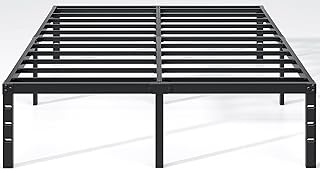
- Plan for moisture and heat: Solid memory foam over a sealed plywood base traps condensation. Look for gel infusions, open-cell or perforated cores, and breathable knit covers, then add a slatted or mesh underlayment to let the underside dry.
- Consider motion and edge behavior: Narrow berths mean you sleep closer to the perimeter and closer to your partner. Strong motion isolation and a reinforced or dense edge make a 60-inch width feel considerably more generous than it measures.
The Best Rv Short Queen Mattress (2026)s Reviewed
Celestial Sleep 10 Inch RV Short Queen
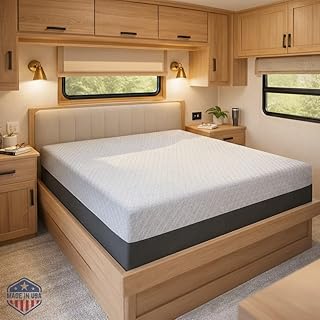
This is the most complete package for a master berth that has the headroom for a full ten inches, combining USA construction with CertiPUR-US, OEKO-TEX, and fiberglass-free certification in one product. The medium feel is the sensible default for a shared bed, offering enough contour for side sleepers without the sinking sensation that makes it hard to shift position in a narrow space.
Zinus 8 Inch Ultima RV Short Queen
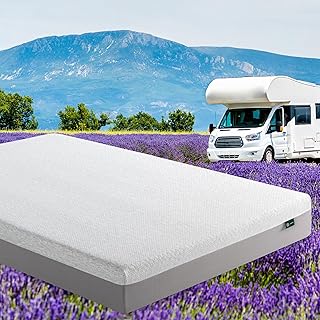
The eight-inch profile is the quiet hero here, clearing overhead cabinets and drop-down mechanisms that a taller mattress would fight. Medium-firm support and a breathable airflow foam core make this the pragmatic choice for travel trailers where every inch of vertical space is already allocated.
Short Queen 12 Inch Cooling Gel Hybrid
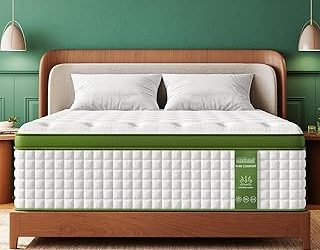
For owners who want their coach bed to feel like the one at home, this twelve-inch hybrid pairs gel memory foam with a coil support layer for genuine bounce and edge integrity. Confirm your clearance first, then enjoy the motion isolation and soft knit cooling cover that make hot-weather boondocking noticeably more tolerable.
ESHINE Short King RV Mattress
Larger Class A and fifth-wheel layouts often use a short king rather than a short queen, and this ten-inch memory foam build is purpose-designed for that footprint. The shock-absorbing construction is a real advantage on rough roads, where a mattress that damps vibration also protects the platform it sits on.
Dreamfoam Copperflex Essential 6 Inch
At six inches with copper-infused gel foam and stain protection, this is the bunk and guest-berth answer, made in Arizona and light enough to handle single-handed during a changeover. Choose it for occasional use and tight spaces rather than as a primary bed for a full-time sleeper.
Frequently Asked Questions
Is a short queen the same size as a regular queen?
No. A short queen is about five inches shorter in length, at roughly 60 x 75 inches versus 60 x 80 inches. Standard queen sheets will fit loosely but bunch at the foot, so RV-specific bedding is worth buying alongside the mattress.
Can I unbox a compressed mattress inside my RV?
Yes, and it is usually easier than wrestling a fully expanded mattress through a doorway. Unroll it directly on the platform, ventilate the coach for a day, and allow up to 48 hours for full expansion before judging the feel.
Do I need anything underneath the mattress?
A breathable underlayment or slat panel is strongly recommended over solid plywood. It moves condensation away from the foam, which is the single most common cause of mildew in stored RVs.
Will a 12 inch mattress work in an RV?
Only if your headroom, slide-out clearance, and payload allow it. Measure from the platform to the nearest obstruction and leave room to sit up comfortably before committing to a taller profile.
Final Thoughts
For most owners replacing a tired factory slab, the Celestial Sleep 10 Inch is the balanced pick, with certification transparency and a feel that suits two people sharing a narrow berth. Choose the Zinus 8 Inch Ultima when clearance is the binding constraint, or step up to the 12 Inch Cooling Gel Hybrid if your layout has the vertical room and you want the bed to disappear into the background the way a good one at home does.