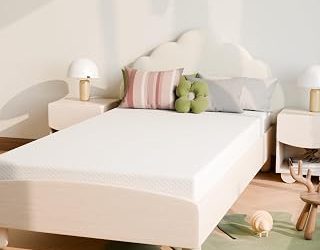
Key takeaways
- Feel, not firmness numbers: Side sleepers do best in the soft-to-medium band. A “medium firm” from one brand can sleep softer than another’s “medium,” so weigh the description against your body weight — lighter sleepers under 130 lbs need a genuinely plush surface to get shoulder immersion at all.
- Profile depth: Look for 12 to 14 inches. Thin mattresses run out of comfort layer before your hip stops sinking, and you end up resting on the dense support core.
- Zoned or pocketed support: Five-zone foam and pocketed spring systems soften at the shoulder and reinforce the lumbar region. This is the single most effective feature for keeping your spine neutral on your side.
- Cooling architecture: Deep immersion means more of your body is surrounded by foam, which traps heat. Gel infusions, green tea and charcoal treatments, and breathable hybrid coil layers all help. Prioritize this if you sleep warm.
- Certification and trial length: CertiPUR-US certification confirms low-emission, safe foam content, and fiberglass-free construction is worth confirming. A long home trial matters more here than in any other category — side-sleeping comfort reveals itself over weeks, not one night.
What's inside
Side sleeping is the most common position in the world and the least forgiving of a mediocre mattress. All your body weight funnels into two narrow contact points — the shoulder and the hip — while your waist and knees float above the surface. Get the balance wrong and you wake with a numb arm, an aching hip, or that dull lower-back tightness that takes an hour of coffee to shake. Firm mattresses stop the shoulder from sinking and push the spine out of line. Mattresses that are too plush let the hip drop into a hammock. The sweet spot is narrower than most showroom conversations suggest.
Memory foam solves this better than almost anything else, because it yields where pressure concentrates and holds firm everywhere else. The trade-offs are heat retention and a slower response, both of which the 2026 crop of boxed mattresses has largely engineered around with gel infusions, open-cell structures, and zoned support layers. Below are the side-sleeper models worth your attention this year, followed by a short buying framework and answers to the questions that actually determine whether a mattress works for you.
As an Amazon Associate we earn from qualifying purchases.


How to Choose a Side Sleeper Memory Foam Mattress (2026)
- Feel, not firmness numbers: Side sleepers do best in the soft-to-medium band. A “medium firm” from one brand can sleep softer than another’s “medium,” so weigh the description against your body weight — lighter sleepers under 130 lbs need a genuinely plush surface to get shoulder immersion at all.
- Profile depth: Look for 12 to 14 inches. Thin mattresses run out of comfort layer before your hip stops sinking, and you end up resting on the dense support core.
- Zoned or pocketed support: Five-zone foam and pocketed spring systems soften at the shoulder and reinforce the lumbar region. This is the single most effective feature for keeping your spine neutral on your side.
- Cooling architecture: Deep immersion means more of your body is surrounded by foam, which traps heat. Gel infusions, green tea and charcoal treatments, and breathable hybrid coil layers all help. Prioritize this if you sleep warm.
- Certification and trial length: CertiPUR-US certification confirms low-emission, safe foam content, and fiberglass-free construction is worth confirming. A long home trial matters more here than in any other category — side-sleeping comfort reveals itself over weeks, not one night.
The Best Side Sleeper Memory Foam Mattresses (2026) Reviewed
Nectar 12″ Memory Foam Mattress, King
Nectar’s medium-firm build is the reference point for boxed memory foam: a deep, gradual sink that cradles the hip without letting it bottom out, plus excellent motion isolation for couples. The generous trial period gives you room to let your body adapt, which matters if you’re coming off an innerspring.
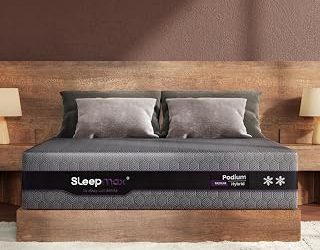
Soft Plush 14″ Queen Hybrid
The most side-sleeper-specific pick here — pocketed springs handle the alignment work while gel memory foam absorbs shoulder and hip pressure, so you get contouring without the sunken-in sensation of all-foam beds. The plush surface suits lighter and average-weight sleepers particularly well.
Sweetnight CoolNest 14″ King
Five-zone ergonomic support is the standout feature, softening under the shoulders and firming through the midsection to keep the spine level. The medium feel and enhanced breathability make it a strong choice for warm sleepers who still want real contouring.
Novilla 14″ Queen Gel Memory Foam
A well-balanced value option with genuine cooling performance and impressive motion isolation, so shifting positions overnight won’t disturb a partner. The 14-inch profile gives side sleepers the comfort depth that thinner budget mattresses can’t match.
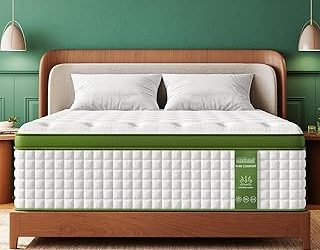
EGOHOME 12″ Full, Green Tea Memory Foam
Green tea and cooling gel infusions keep the surface fresh and temperature-neutral, and the fiberglass-free, CertiPUR-US certified build is reassuring for anyone sensitive to materials. Best suited to average-weight side sleepers who prefer a supportive medium-firm feel over deep plushness.
Frequently Asked Questions
Is soft or medium better for side sleepers?
Most side sleepers land on medium or medium-soft. You want enough give for the shoulder to sink and the hip to be cradled, but enough support underneath that the lumbar curve stays neutral rather than collapsing.
Does memory foam cause hip pain?
Usually the opposite — foam distributes pressure that would otherwise concentrate at the hip joint. Pain typically points to a mattress that’s too firm to allow immersion, or a comfort layer too thin for your body weight.
How thick should the mattress be?
Twelve inches is the practical minimum for side sleeping; 14 inches gives more margin, especially for heavier sleepers who compress the comfort layers further.
How long does a new foam mattress take to break in?
Expect two to four weeks. The foam softens slightly and your body recalibrates from your old surface, which is exactly why a long home trial is worth insisting on.
Final Thoughts
For most side sleepers, the Nectar 12″ is the safest, most broadly comfortable starting point, with pressure relief and motion isolation that hold up over years. If you sleep hot or want spring-assisted alignment, the Sweetnight CoolNest 14″ and the Soft Plush 14″ Queen Hybrid are the two most side-sleeper-focused picks on this list — and both are easier on the shoulder than anything you’ll find in a firm-mattress aisle.