Key takeaways
- Loft over softness: A thin plush layer feels lovely for ten seconds and then you’re back on the mattress. Look for a pillow-top with real vertical depth, or 3 inches of foam, so your shoulder has somewhere to travel.
- Fill containment: Baffle-box or diamond quilting keeps down-alternative clusters from migrating to the corners. Loose channel stitching is the single most common reason a soft topper goes lumpy within a season.
- Pocket depth versus your setup: Measure your mattress with the protector on. Stretch skirts rated to 18 or 20 inches are worth the extra couple of dollars if you own a hybrid or a pillow-top mattress.
- Heat pathway: Side sleepers trap warmth along the torso. Bamboo-derived viscose and cotton percale surfaces move moisture; gel-infused foam buffers it. Solid polyester covers over foam tend not to.
- Washability: Fiber-fill toppers should be machine washable outright. Foam should come with a zip-off cover you can launder, since the foam core itself never goes near water.
What's inside
Side sleeping concentrates your entire body weight onto two narrow pressure points: the shoulder and the hip. On a mattress that has firmed up with age, or one that was engineered for a back sleeper’s spine, those joints don’t sink in so much as stack up against resistance. The result is a familiar 3 a.m. routine of rolling, repositioning, and waking with a dead arm. Buying a new mattress is the expensive answer. A genuinely soft topper is the sensible one, if you can find one that cushions without collapsing into a flat pancake by February.
This guide looks at the toppers worth putting on a bed in 2026, judged on the things that actually matter to a side sleeper: how deeply the surface accepts a shoulder, whether the fill stays where it’s put, how the material handles overnight heat, and whether the skirt will survive a fitted-sheet wrestling match. Below you’ll find quick-look options followed by a buying framework and honest notes on each pick.
As an Amazon Associate we earn from qualifying purchases.


How to Choose a Soft Mattress Topper For Side Sleepers (2026)
- Loft over softness: A thin plush layer feels lovely for ten seconds and then you’re back on the mattress. Look for a pillow-top with real vertical depth, or 3 inches of foam, so your shoulder has somewhere to travel.
- Fill containment: Baffle-box or diamond quilting keeps down-alternative clusters from migrating to the corners. Loose channel stitching is the single most common reason a soft topper goes lumpy within a season.
- Pocket depth versus your setup: Measure your mattress with the protector on. Stretch skirts rated to 18 or 20 inches are worth the extra couple of dollars if you own a hybrid or a pillow-top mattress.
- Heat pathway: Side sleepers trap warmth along the torso. Bamboo-derived viscose and cotton percale surfaces move moisture; gel-infused foam buffers it. Solid polyester covers over foam tend not to.
- Washability: Fiber-fill toppers should be machine washable outright. Foam should come with a zip-off cover you can launder, since the foam core itself never goes near water.
The Best Soft Mattress Topper For Side Sleepers (2026)s Reviewed
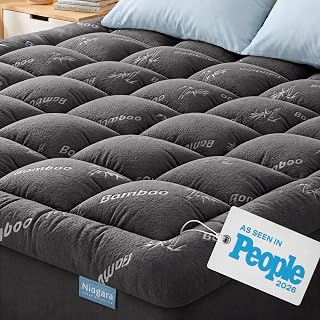
Niagara Sleep Solution Ultra Soft & Cooling Topper
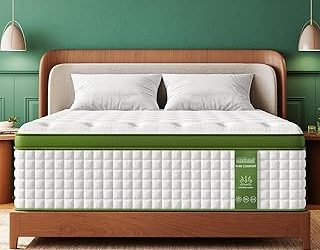
The bamboo-derived rayon face is the standout here, cool to the touch in a way cotton takes a few minutes to become, and the 20-inch pocket is deep enough for tall hybrid mattresses that defeat most skirts. Cushioning sits in the medium-plush range, which suits side sleepers who want shoulder relief without losing the sense of a supportive base underneath.
BEDLORE Viscose Bamboo Pillow Top
BEDLORE’s stretch pockets span a genuinely useful 6 to 18 inches, making this the flexible choice if you’re topping a guest bed or a thinner mattress. The pillow-top is well quilted and holds its shape, though the viscose surface benefits from a gentle wash cycle to keep it from pilling.
ELEMUSE Extra Thick Mattress Pad
Of the fiber-fill options, this is the one that reads most convincingly as plush, with overfilled down-alternative clusters that let a shoulder drop in noticeably further. Worth noting that all that loft compresses over the first two weeks, so judge it after it has settled rather than on night one.
PERLECARE 3-Inch Gel Memory Foam Topper
Foam behaves differently from fiber: instead of cushioning above the mattress, it contours around the hip and shoulder, which makes this the most effective pick for pressure-point pain specifically. The non-slip base and removable washable cover solve the two usual foam complaints, and the Oeko-Tex certification is reassuring if off-gassing concerns you.
Cotton Extra Thick Pillow Top Pad
A 100% cotton top sheet layer gives this one a crisp, breathable hand that synthetic covers can’t match, and it launders well over years rather than months. Cushioning is softer than plush, so pair it with a mattress that already has some give if you’re a dedicated side sleeper.
Frequently Asked Questions
How thick should a topper be for side sleeping?
Aim for at least 2 inches of usable loft, or a full 3 inches with memory foam. Anything shallower tends to bottom out under the hip, which is where side sleepers feel discomfort first.
Will a soft topper make my back pain worse?
Not usually, provided the mattress beneath it is still supportive. A topper cushions the surface; it can’t correct a sagging core. If your mattress dips visibly in the middle, address that before adding softness on top.
Foam or fiber fill?
Fiber fill feels lighter and sleeps cooler for most people. Foam contours more precisely and is better for persistent shoulder or hip pain. Hot sleepers who still want contouring should choose a gel-infused foam rather than standard viscoelastic.
Do I still need a mattress protector?
Yes. Most toppers are washable, but a thin protector underneath keeps your actual mattress warranty intact and saves you from stripping the entire bed after a spill.
Final Thoughts
For most side sleepers, the Niagara Sleep Solution topper hits the best balance of cooling surface, real loft, and a skirt that fits deep mattresses without a fight. If pressure-point pain is the reason you’re shopping, the PERLECARE 3-inch gel foam contours more precisely than any fiber fill can, and the ELEMUSE remains the pick for anyone who simply wants the plushest possible landing for a shoulder.