Key takeaways
- Brushroll control: The single most important spec. You want a brushroll you can switch off, or a soft-bristle roller designed for delicate pile. Aggressive nylon beater bars fuzz wool and accelerate shedding on loop and flatweave constructions.
- Adjustable suction: Full power belongs on hard floors. On wool, a lower setting cleans just as well without lifting the rug off the floor or stressing the foundation at the edges.
- Sealed HEPA filtration: Wool traps allergens deep in the pile, so a vacuum that leaks collected dust back through the housing defeats the purpose. Look for a sealed system, not just a HEPA filter dropped into a leaky body.
- Weight and steering: Under about 10 pounds with swivel steering means you can lift and reposition rather than shove. Heavy uprights are the usual culprit behind rucked corners and dragged fringe.
- Detachable canister or wand: Rug edges, fringe, and the floor underneath all need above-floor tools. A lift-off pod or a stick that converts to handheld handles these without you flipping the rug.
What's inside
A wool rug is one of the few furnishings that improves with age, and one of the easiest to prematurely ruin with the wrong machine. Wool sheds loose fiber for months after it arrives, which most people mistake for damage and respond to by vacuuming harder. Meanwhile the real threats are subtler: a stiff beater bar chewing at the pile, suction strong enough to pull a hand-knotted edge out of square, and fringe wrapped around a brushroll in a single careless pass. Add a shag or high-pile weave and the machine that handles your hallway runner becomes actively hostile.
This guide narrows the field to vacuums that respect wool’s structure while still lifting the grit that grinds fibers down from underneath. We prioritized adjustable or defeatable brushrolls, genuine suction control, sealed filtration for the fine dust wool holds onto, and weight light enough that you steer the machine instead of dragging it. Below are our picks for 2026, followed by the buying criteria we used and answers to the questions wool owners ask most.
As an Amazon Associate we earn from qualifying purchases.


How to Choose a Vacuum For Wool Rug (2026)
- Brushroll control: The single most important spec. You want a brushroll you can switch off, or a soft-bristle roller designed for delicate pile. Aggressive nylon beater bars fuzz wool and accelerate shedding on loop and flatweave constructions.
- Adjustable suction: Full power belongs on hard floors. On wool, a lower setting cleans just as well without lifting the rug off the floor or stressing the foundation at the edges.
- Sealed HEPA filtration: Wool traps allergens deep in the pile, so a vacuum that leaks collected dust back through the housing defeats the purpose. Look for a sealed system, not just a HEPA filter dropped into a leaky body.
- Weight and steering: Under about 10 pounds with swivel steering means you can lift and reposition rather than shove. Heavy uprights are the usual culprit behind rucked corners and dragged fringe.
- Detachable canister or wand: Rug edges, fringe, and the floor underneath all need above-floor tools. A lift-off pod or a stick that converts to handheld handles these without you flipping the rug.
The Best Vacuum For Wool Rug (2026)s Reviewed
Eureka Airspeed Ultra-Lightweight NEU10AE5
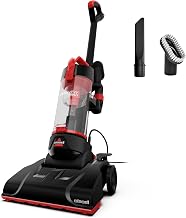
At 7.7 pounds, this is the pick for anyone who wants to lift the machine over a rug edge instead of forcing it across. The upright format with a crevice tool and washable filter keeps running costs near zero, and its gentler airflow makes it a sensible daily driver on medium-pile wool.
Bissell Pet Hair Eraser Allergen Lift-Off 39883
The detachable canister is what earns its place here: you can clean a rug’s fringe and perimeter with the pod in hand, no full-size head near delicate edges. The tangle-free brushroll and allergen-trapping HEPA make it the strongest option for wool in a house with shedding animals.
Shark NV752 Rotator Powered Lift-Away TruePet
Powered Lift-Away is the most versatile setup on this list, letting you take a motorized head off the frame for stairs, low furniture, and layered rugs. The HEPA seal and LED headlights help you actually see grit on dark wool, though use its lower setting and be deliberate around fringe.
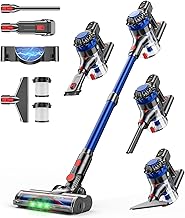
Cordless 650W Stick Vacuum, 70-Minute Runtime
Seventy minutes and a self-standing body make this the low-friction choice for owners who vacuum little and often, which is exactly the right habit for wool. The anti-tangle head and touchscreen power control let you dial suction down for pile and back up for tile in the same pass.
KARDV 8-in-1 Cordless Stick Vacuum
The eight-attachment kit and wall-mount charging make this the most practical apartment option, with enough tools to cover rug surface, edges, and upholstery. Its LED display gives you real feedback on power level, which matters more on wool than raw suction numbers do.
Frequently Asked Questions
Will vacuuming damage a wool rug?
Regular vacuuming protects wool. Embedded grit acts like sandpaper on the fiber base, so the damage comes from neglect and from unchecked beater bars, not from suction itself.
Should I turn the brushroll off?
On loop pile, flatweave, and hand-knotted rugs, yes. On dense cut pile a soft, tangle-free roller is fine at reduced power. Never run a spinning brush over fringe.
How often should I vacuum wool?
Once or twice weekly in traffic paths, less in low-use rooms. Expect noticeable shedding for the first few months on new wool; that is loose staple, not wear.
Can I use a carpet cleaner on wool?
Avoid hot-water extraction and most machine detergents. Wool is sensitive to alkaline solutions, heat, and over-wetting, so treat spills by blotting and leave deep cleaning to a wool-certified specialist.
Final Thoughts
For most wool rugs, the Eureka Airspeed Ultra-Lightweight is the safest default: light, simple, and unlikely to overwork the pile. Households with pets should step up to the Bissell Pet Hair Eraser Allergen Lift-Off for its detachable pod and sealed filtration, while the Shark NV752 Rotator Powered Lift-Away remains the pick if you need one machine to handle wool, stairs, and upholstery with equal competence.