Key takeaways
- Diagnose the mattress first: If your bed sags visibly, a plush pillow top will follow the dip and deepen it. Sagging calls for a dense foam layer that bridges the depression; a bed that is simply too firm calls for a soft fiber or pillow-top pad.
- Match thickness to body weight: Two inches is enough to soften a rigid surface. Three inches is the sweet spot for most side and back sleepers. Four inches, ideally in two distinct layers, suits heavier bodies or couples with a wide weight gap who need support and cushioning working separately.
- Treat cooling as structural, not cosmetic: Gel infusion, open-cell foam, air-mesh gussets, and viscose covers each shed heat differently. Memory foam softens as it warms, so a topper that runs hot also loses support over the course of the night.
- Check the pocket depth against your build: King mattresses are often stacked with protectors and fitted sheets. Look for stretch skirts rated to 18 to 21 inches, and prefer elasticized pockets over corner straps if you shift positions frequently.
- Insist on certification and washability: CertiPUR-US confirms the foam has been tested for emissions and content. A removable, machine-washable cover matters more on a king than any other size, because spot-cleaning a 150-inch perimeter is not realistic.
What's inside
Back pain rarely announces itself at 2 a.m. for no reason. It builds over months of sleeping on a mattress that has quietly given up in the middle, letting the hips drop while the lumbar curve goes unsupported. Replacing a king mattress is a four-figure decision, so most people arrive at toppers looking for a shortcut, then hit a wall of contradictory advice: firmer is better, no, softer is better, memory foam traps heat, bamboo does nothing for support. The truth is narrower and more useful. A topper helps back pain when it corrects a specific failure in your current bed, and it makes things worse when it simply adds cushioning on top of a problem.
This guide approaches toppers the way we approach any material decision in a bedroom, as a question of structure first and comfort second. We look at fill density, layer architecture, edge behavior across a 76-inch-wide king, cooling performance, and whether the anchoring system actually survives a night of movement. Below are the king toppers we would specify for a client dealing with lower-back discomfort in 2026, with notes on who each one suits and where it falls short.
As an Amazon Associate we earn from qualifying purchases.



How to Choose a King Best Mattress Topper For Back Pain (2026)
- Diagnose the mattress first: If your bed sags visibly, a plush pillow top will follow the dip and deepen it. Sagging calls for a dense foam layer that bridges the depression; a bed that is simply too firm calls for a soft fiber or pillow-top pad.
- Match thickness to body weight: Two inches is enough to soften a rigid surface. Three inches is the sweet spot for most side and back sleepers. Four inches, ideally in two distinct layers, suits heavier bodies or couples with a wide weight gap who need support and cushioning working separately.
- Treat cooling as structural, not cosmetic: Gel infusion, open-cell foam, air-mesh gussets, and viscose covers each shed heat differently. Memory foam softens as it warms, so a topper that runs hot also loses support over the course of the night.
- Check the pocket depth against your build: King mattresses are often stacked with protectors and fitted sheets. Look for stretch skirts rated to 18 to 21 inches, and prefer elasticized pockets over corner straps if you shift positions frequently.
- Insist on certification and washability: CertiPUR-US confirms the foam has been tested for emissions and content. A removable, machine-washable cover matters more on a king than any other size, because spot-cleaning a 150-inch perimeter is not realistic.
The Best King Best Mattress Topper For Back Pain (2026)s Reviewed
Niagara Sleep Solution Ultra Soft & Cooling Bamboo Pillow Top
A rayon-derived-from-bamboo cover over a lofted fiber fill, this is the right call when your mattress is structurally sound but punishingly firm, and the 20-inch deep pocket handles tall hybrid builds without straining the seams. It relieves pressure at the shoulders and hips rather than lifting the lumbar spine, so pair it with a supportive base, not a tired one.
BEDLORE Viscose Bamboo Thick Pillow Top
The stretchable pockets span 6 to 18 inches, which makes this the most forgiving fit on the list for anyone with an unusual mattress depth or a layered setup. Breathability is its real strength, and the dark gray finish hides the wear that shows quickly on white pads.
3-Inch Ultra-Fluffy Memory Foam with 4X Support
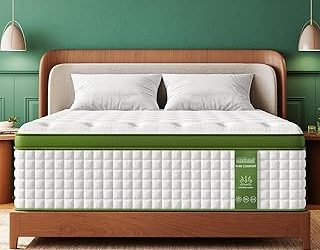
This one splits the difference intelligently: a plush top surface over a firmer memory foam core, with air-mesh side panels that keep the interior from turning into a heat sink. The 6-to-21-inch pocket range and genuine three-inch loft make it a strong default pick for back sleepers who want cushioning without losing spinal alignment.
Dual Layer 4-Inch Cooling Gel and Pillow Top
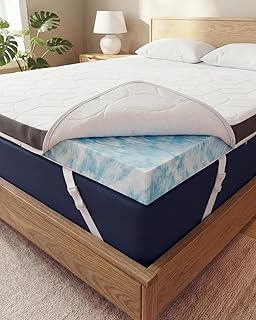
Two inches of gel memory foam carry the load while two inches of soft pillow top handle contact comfort, and that separation is exactly what a sagging king needs. It is the most substantial option here, best suited to heavier sleepers or couples who have been waking with lower-back stiffness.
3-Inch Memory Foam with Cooling Washable Cover
Straightforward, well-executed single-layer memory foam with a cooling cover built for hot sleepers and straps to keep it anchored. The washable cover and plush feel make it a practical everyday choice, though the strap system is less secure than an elasticized skirt if you move a lot.
Frequently Asked Questions
Can a mattress topper actually reduce back pain?
It can, when the pain stems from poor surface support or excessive firmness. A topper redistributes pressure and can restore neutral spinal alignment, but it will not fix a broken innerspring, a collapsed foundation, or a medical condition.
Should I choose firm or soft for lower-back pain?
Medium-firm support with a softer contact layer performs best in most cases. Fully soft toppers let the hips sink and flatten the lumbar curve; fully firm ones create pressure points at the shoulders and pelvis.
Is memory foam or bamboo fiber better?
Memory foam contours and provides measurable support, making it the stronger option for pain relief. Bamboo-viscose pillow tops excel at breathability and softening a too-firm bed, but they add comfort rather than structure.
How long should a king topper last?
Expect three to five years from quality memory foam and two to three from fiber-filled pillow tops. Rotate the topper head to foot every few months to even out compression across the width.
Final Thoughts
For a sagging king that needs real correction, the Dual Layer 4-Inch Cooling Gel and Pillow Top is the one we would specify first, since its separated support and comfort layers do two jobs properly instead of compromising on both. The 3-Inch Ultra-Fluffy Memory Foam with 4X Support is the smarter buy for most back sleepers on a decent mattress, and the Niagara bamboo pillow top remains the cleanest fix for a bed that is simply too hard and sleeps too warm.