Key takeaways
- Give a new mattress at least three weeks before judging it. Your body adapts to a support profile, and early impressions are unreliable.
- Check whether your frame needs center support. Most queen and king hybrids require a center rail or slats no more than three inches apart, or the warranty lapses.
- Let a bed-in-a-box expand for 24 to 72 hours in a ventilated room. Off-gassing smell is normal and fades.
- Add a thin, breathable protector rather than a thick topper. A topper can undo the feel you paid for; a protector preserves the warranty against stains.
What's inside
A mattress is the largest piece of upholstery in your home, and it’s the one nobody sees. That inversion is worth sitting with: we agonize over sofa arms and tile grout, then buy the thing we spend a third of our life on based on a name we half-recognize. Hybrids have become the default answer for most bedrooms because they resolve an old argument. Pocketed coils give you the buoyancy and edge integrity of a traditional bed; the foam layers above them handle contouring, motion damping, and the sink-in feeling people actually want at 11pm. You get structure and softness in the same envelope.
Below you’ll find the picks we keep returning to, followed by the reasoning behind them. This guide walks through how coil count and gauge actually translate to feel, why “cooling” means very different things depending on where it sits in the build, how to read firmness ratings against your sleep position and body weight, and what a 365-night trial is really protecting you from. By the end you should be able to look at any hybrid spec sheet and know within a minute whether it belongs in your room.
As an Amazon Associate we earn from qualifying purchases.


Start With Your Sleep Position, Not the Marketing
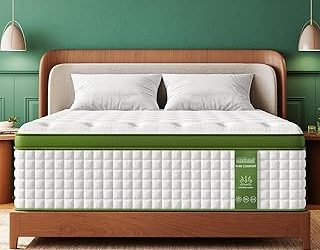
Firmness is not a quality tier, it’s a fit. Side sleepers load the hip and shoulder hard and need a surface that lets those two points descend while the waist stays supported, which usually means a plush-to-medium build with a generous comfort layer. Back and stomach sleepers need the lumbar held up; too much give and the pelvis rotates, and you wake with a low-grade ache you’ll blame on your desk chair. Most manufacturers land on medium-firm because it serves the widest range, and that’s a reasonable default for combination sleepers. The Sweetnight CoolNest Hybrid and the 16-Inch Upgraded Luxury Hybrid both sit in that medium-firm zone with zoned support, which is the sensible compromise for couples who sleep differently.
Read the Coil Layer Carefully
Individually pocketed coils are the reason a hybrid feels responsive rather than sluggish. Because each spring moves independently, motion transfers sideways far less, so a partner turning over doesn’t broadcast across the bed. Two details matter more than raw coil count: gauge, which determines how firm each spring feels, and zoning. Zoned systems use firmer coils through the midsection and softer ones at the shoulders. That’s what a “7-zone” label describes, and it’s the most meaningful upgrade in this category, not a gimmick. A well-zoned bed also holds its edge, which matters if you sit on the perimeter to put on shoes or share a queen.
Understand What “Cooling” Actually Refers To
Heat is the most common complaint about foam beds, and hybrids already have an advantage: air moves through a coil unit in a way it cannot move through a solid slab. Beyond that, cooling claims fall into three buckets. Gel-infused or open-cell foam changes the material’s thermal behavior. Phase-change or fiber covers pull heat at the surface, which is what you notice in the first few minutes. Breathable ticking and airflow channels handle the rest. Multi-stage systems, like the four-layer breathability approach in the CoolNest, stack these rather than relying on one. If you sleep hot, prioritize a thinner or more perforated comfort layer over a thick pillow top, since depth of foam is what traps warmth.
Height, Certifications, and the Fine Print
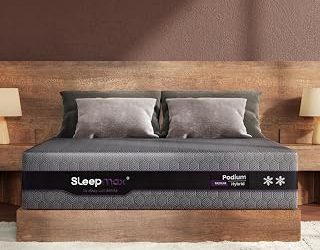
Profile height is partly aesthetic and partly practical. Twelve inches, as on the DreamCloud 12″ Hybrid, suits low platform frames and lets standard fitted sheets work without a fight. Fourteen inches is the current mainstream. Sixteen inches reads luxurious and hotel-like but demands deep-pocket sheets and raises your bed height noticeably, which is worth measuring against your nightstand. On safety, look for CertiPUR-US certification, which addresses foam emissions and content, and explicitly fiberglass-free construction, since fiberglass is used as a flame barrier in some budget builds and becomes a genuine problem if the cover is ever removed. Several picks here, including the Sleepmax 14-Inch and the zoned Luxury Hotel Cooling Hybrid, state both.
Tips
- Give a new mattress at least three weeks before judging it. Your body adapts to a support profile, and early impressions are unreliable.
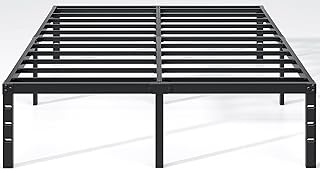
- Check whether your frame needs center support. Most queen and king hybrids require a center rail or slats no more than three inches apart, or the warranty lapses.
- Let a bed-in-a-box expand for 24 to 72 hours in a ventilated room. Off-gassing smell is normal and fades.
- Add a thin, breathable protector rather than a thick topper. A topper can undo the feel you paid for; a protector preserves the warranty against stains.
Frequently Asked Questions
How long does a hybrid mattress last?
Expect seven to ten years with normal use. Coil units generally outlast the foam above them, so the first sign of decline is usually a softening impression where you sleep rather than a sagging spring base.
Do I need to flip or rotate it?
Hybrids are single-sided and should never be flipped. Rotate head to foot every three to six months to even out wear.
Is a longer trial period actually useful?
Yes. A 365-night trial covers a full cycle of seasons and lets you evaluate the bed through summer heat, which is when cooling claims get tested. Confirm the return logistics, not just the length.
Are heavier sleepers better served by a hybrid?
Generally yes. Coils provide pushback that all-foam beds lose over time, and firmer-gauge zoned systems hold alignment better above roughly 230 pounds.
Conclusion
The best hybrid is the one matched to how you actually sleep: a plusher build with a deep comfort layer for dedicated side sleepers, a zoned medium-firm for backs, stomachs, and mismatched couples, and a more breathable, lower-profile construction if heat is your recurring complaint. Narrow by firmness and cooling architecture first, verify CertiPUR-US and fiberglass-free construction, then let the trial period do the final decision-making for you.