Key takeaways
- Measure your room, stairways, bed frame, and doorways before ordering a boxed mattress.
- Use a waterproof mattress protector from the first night to preserve the sleep surface and simplify care.
- Give the mattress time to expand and allow ventilation during setup; mild new-product odor should dissipate with airflow.
- Keep the packaging and carefully review the trial-period return procedure before discarding anything.
What's inside
Choosing a mattress in a box is less about finding the thickest model or the most elaborate feature list and more about matching construction to the way you sleep. A compressed mattress can be a smart fit for modern bedrooms: it arrives compactly, suits apartments and tight staircases, and often offers a generous trial period. But foam density, spring support, firmness, cooling design, and return terms vary widely.
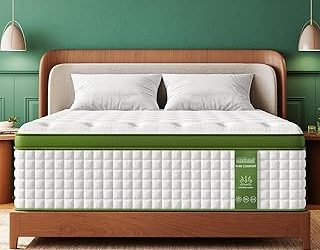
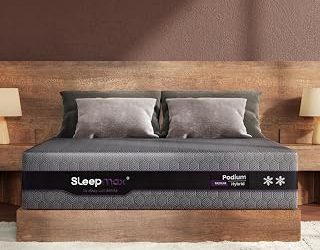
This guide explains how to compare boxed mattresses with a designer’s eye and a practical buyer’s mindset. We’ll look at the differences between all-foam and hybrid builds, how to select firmness for your sleep position, which materials may improve pressure relief and airflow, and what to check before placing an order. Our recommended picks include options such as the EGOHOME 10 Inch, Sleepmax 14 Inch Hybrid, Novilla 12 Inch, FATHOM Medium 12 Inch, and two 12-inch pocket-spring mattresses.
As an Amazon Associate we earn from qualifying purchases.


Start With the Mattress Construction
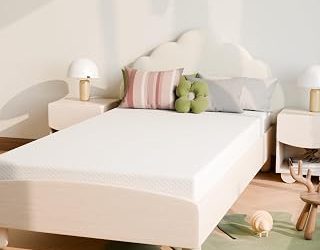
Most mattresses in a box fall into two categories: memory foam and hybrid. An all-foam mattress, such as the EGOHOME 10 Inch Queen Mattress or Novilla 12 Inch Queen Mattress, uses layered foam to cushion the body and absorb movement. This can feel pleasantly quiet and contouring, especially for side sleepers or couples who do not want to feel every turn. Foam mattresses also tend to have a clean, low-profile appearance that works well with streamlined platform beds.
Hybrid mattresses combine foam comfort layers with pocketed coils. The Sleepmax Queen Mattress 14 Inch Hybrid, for example, is designed around a deeper profile and spring-based support, while the other 12-inch hybrid options pair memory foam with pocket springs. Hybrids generally provide more bounce, stronger edge structure, and easier movement in bed. They may also allow more air to circulate than dense, all-foam designs.
Match Firmness to Your Sleep Position
Firmness is personal, but your usual sleeping position provides a useful starting point. Side sleepers typically benefit from a medium or medium-soft comfort surface that allows the shoulders and hips to settle without creating pressure points. Back sleepers often prefer medium-firm support, which can help keep the pelvis from sinking too far while still cushioning the lower back.
Stomach sleepers usually need a firmer, more supportive surface to reduce excessive midsection compression. Combination sleepers may want a balanced medium feel that makes it easier to change positions. The FATHOM Medium Queen Mattress is worth considering for shoppers who want a clearly stated medium feel, while models described as medium firm may offer a slightly more supportive center. Remember that body weight affects perceived firmness: a mattress can feel softer to a heavier sleeper and firmer to a lighter one.
Look Beyond Thickness
A taller mattress is not automatically a better mattress. Height can indicate more room for comfort and support layers, but the actual materials and layering matter more. A 10-inch model may suit a minimalist bed frame and provide sufficient cushioning, while a 12- or 14-inch design can create a taller, more substantial look and may offer additional transition or support layers.
When comparing specifications, look for the type and purpose of each layer. Memory foam is valued for contouring and motion isolation; gel-infused foam is marketed to help manage heat; and pocket springs can add lift and responsiveness. Also check the combined height of the mattress and bed frame. A thick mattress on a high platform can make getting in and out of bed awkward and may visually overwhelm a low, modern room.
Consider Cooling, Motion, and Edge Support
Temperature regulation depends on more than a “cooling” label. Dense foam can retain warmth, while breathable covers, gel-infused comfort layers, and coil systems may help a mattress feel less closed-in. Hot sleepers should compare the cover fabric, foam design, and overall construction rather than relying on one marketing phrase. A hybrid such as the Sleepmax or a 12-inch pocket-spring model may appeal to those who prefer a more ventilated feel.
For couples, motion isolation and edge support require a trade-off. Memory foam usually dampens movement exceptionally well, whereas spring systems can offer stronger perimeter structure but may transfer more motion depending on their design. If one partner gets up early, prioritize motion isolation. If you sit on the edge to dress or use the full sleep surface, look for reinforced edges or a hybrid support core.
Check the Practical Details Before Buying
Confirm the exact dimensions, especially if you are replacing an existing queen mattress. Review the recommended foundation requirements, unpacking instructions, break-in period, and trial and warranty terms. A mattress may need several hours or a few days to fully expand and air out after opening. Do not place it on the bed until it has reached the manufacturer’s stated height.
Certifications can also help narrow the field. Several mattresses listed here carry CertiPUR-US certification, which relates to the foam used in the product. If you are specifically avoiding fiberglass, verify that the individual listing clearly states a fiberglass-free construction; the EGOHOME, Sleepmax, FATHOM, and selected hybrid descriptions above make that claim. Always read the current product details before ordering, since specifications can change.
Tips
- Measure your room, stairways, bed frame, and doorways before ordering a boxed mattress.
- Use a waterproof mattress protector from the first night to preserve the sleep surface and simplify care.
- Give the mattress time to expand and allow ventilation during setup; mild new-product odor should dissipate with airflow.
- Keep the packaging and carefully review the trial-period return procedure before discarding anything.
Frequently Asked Questions
Are mattresses in a box comfortable?
They can be, provided the firmness and construction suit your body and sleep position. All-foam models tend to feel more contouring, while hybrids usually feel more buoyant and supportive. Comfort is highly individual, so a home trial is valuable.
Is a 10-inch mattress thick enough?
For many sleepers, yes. A 10-inch mattress can provide adequate comfort and support when its layers are well balanced. Taller mattresses may offer a different feel or a more elevated appearance, but thickness alone does not determine quality.
Do hybrid mattresses sleep cooler than foam mattresses?
Often, but not always. Coils can create more internal airflow, and some hybrids use breathable covers or gel-infused foam. Room temperature, bedding, pajamas, and personal sensitivity also influence how warm a mattress feels.
How long should I keep a mattress in a box?
Open it as soon as practical and follow the manufacturer’s setup guidance. Leaving a compressed mattress boxed longer than recommended can affect expansion. Once opened, allow it to reach its intended height before judging the feel.
Conclusion
The best mattress in a box for 2026 is the one that fits your sleep style, support needs, bedroom proportions, and return expectations. Choose all-foam for pronounced contouring and quiet movement, or consider a hybrid for added lift, airflow, and edge stability. Compare the actual materials, not just the headline thickness, and use the trial period to evaluate alignment and comfort at home.