Key takeaways
- Memory foam distributes weight and holds a contour, making it the most reliable choice for pressure relief. It also sleeps warmest unless gel-infused or open-celled.
- Down alternative fiber feels plush and hotel-like. The 1000GSM Extra Thick Pillow Top Pad is a good example: excellent for cushioning a firm bed and adding loft, less effective at correcting alignment because fiber compresses rather than resists.
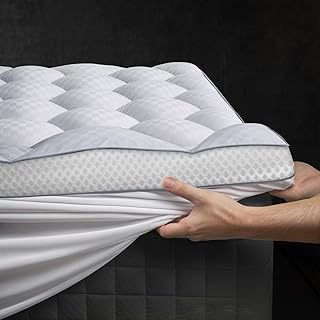
- Hybrid constructions aim for both. The BEDLORE Viscose Bamboo Pillow Top pairs a breathable cover with a plush fill for hot sleepers who still want cushioning, while the 3 Inch Ultra-Fluffy Memory Foam Topper layers a soft pillow-top surface over a supportive foam core with air mesh sides.
What's inside
- Our Recommended Picks
- Start With Your Sleep Position, Not the Softness Rating
- Thickness Is a Correction Tool, Not a Comfort Score
- Foam, Fiber, or a Hybrid of Both
- Heat, Fit, and the Details That Decide Nightly Comfort
- Verify Certifications and Give It a Break-In Window
- Tips
- Frequently Asked Questions
- Conclusion
A mattress topper is the rare furnishing that earns its keep overnight. It sits three inches from your spine and quietly decides whether your lumbar curve is supported or left hanging in mid-air. For anyone waking up stiff, a topper is also the least disruptive fix available: no delivery crew, no bed frame reshuffle, no six-figure commitment to a slab of foam you may dislike in a month. It slides on top of what you already own and changes the surface your body actually touches.
- Our Recommended Picks
- Start With Your Sleep Position, Not the Softness Rating
- Thickness Is a Correction Tool, Not a Comfort Score
- Foam, Fiber, or a Hybrid of Both
- Heat, Fit, and the Details That Decide Nightly Comfort
- Verify Certifications and Give It a Break-In Window
- Tips
- Frequently Asked Questions
- Conclusion
The catch is that “good for a bad back” gets used to describe both cloud-soft pillow tops and dense memory foam, which are opposite experiences. Below, we break down how to read thickness and density, which material families suit which sleep positions, why heat and fit matter more than most listings admit, and what certifications are worth checking. By the end you should be able to look at any topper and predict how it will feel before it arrives.
Our Recommended Picks
As an Amazon Associate we earn from qualifying purchases.


Start With Your Sleep Position, Not the Softness Rating
Back pain is usually a symptom of misalignment, and alignment depends on where your weight concentrates. Side sleepers need the shoulder and hip to sink so the spine stays level, which favors a contouring foam layer with real give. Back sleepers need the opposite: enough push-back under the lumbar gap that the lower spine isn’t left unsupported, which is where a soft, deep pillow top can quietly make things worse. Stomach sleepers generally need the firmest surface of the three to keep the pelvis from dropping. If you switch positions through the night, a medium-firm gel foam like the JSELF 3 Inch Gel Memory Foam Topper tends to be the safest middle ground because its wave-textured surface relieves pressure points without turning the bed into a hammock.
Thickness Is a Correction Tool, Not a Comfort Score
Think of thickness as how much of your existing mattress you want to override. Two inches, as in the Sleepyhead Twin XL 2 Inch Topper, softens a hard surface and adds cushioning without erasing the support underneath, which is ideal for dorm beds and guest rooms. Three inches is the sweet spot for most adults with back complaints: enough foam to contour meaningfully while the mattress still does structural work. Five inches, like the SHOUREN 5 Inch Memory Foam Topper, is a genuine rescue layer for a mattress that has developed a dip or gone rock hard, but it will dominate the feel of the bed entirely, and heavier sleepers should expect deeper sink.
Foam, Fiber, or a Hybrid of Both
- Memory foam distributes weight and holds a contour, making it the most reliable choice for pressure relief. It also sleeps warmest unless gel-infused or open-celled.
- Down alternative fiber feels plush and hotel-like. The 1000GSM Extra Thick Pillow Top Pad is a good example: excellent for cushioning a firm bed and adding loft, less effective at correcting alignment because fiber compresses rather than resists.
- Hybrid constructions aim for both. The BEDLORE Viscose Bamboo Pillow Top pairs a breathable cover with a plush fill for hot sleepers who still want cushioning, while the 3 Inch Ultra-Fluffy Memory Foam Topper layers a soft pillow-top surface over a supportive foam core with air mesh sides.
Heat, Fit, and the Details That Decide Nightly Comfort
Two practical failures ruin otherwise well-chosen toppers. The first is heat: dense foam traps it, and a body that overheats shifts position all night, which undermines any alignment benefit. Look for gel infusion, perforated cores, mesh gussets, or a viscose bamboo cover. The second is fit. A topper that slides is a topper you fight. Check the deep pocket range against your actual mattress height, including any existing pad, and favor designs with elasticated skirts, corner straps, or non-slip backing. Ranges like 6 to 21 inches or 8 to 21 inches cover most modern beds, but pillow-top mattresses can exceed them.
Verify Certifications and Give It a Break-In Window
CertiPUR-US indicates the foam has been tested for restricted substances and low VOC emissions, and Oeko-Tex covers the textile components. Both are worth prioritizing in a product you breathe against for eight hours. Expect some initial odor from any compressed foam and air it out for 24 to 48 hours before dressing the bed. Your body also needs an adjustment period. Give a new topper two to three weeks before judging it, since muscles accustomed to poor support often protest a corrected surface at first.
Tips
- Measure your mattress depth with a tape rather than trusting the label, then compare against the topper’s stated pocket range.
- Use a thin, stretchy sheet. A tight percale sheet compresses the foam and cancels part of the contouring you paid for.
- Rotate the topper head to foot every few months to even out body impressions.
- If a topper is soft enough to feel luxurious the moment you sit on it, test how your lower back feels after 20 minutes lying flat before committing.
Frequently Asked Questions
Is a firm or soft topper better for lower back pain?
Medium-firm suits most people. It cushions pressure points while resisting enough to keep the lumbar spine level. Very soft toppers feel better initially but often allow the hips to drop, and very firm ones can create pressure at the shoulders and hips.
Can a topper fix a sagging mattress?
It can mask a mild dip, and a thicker foam layer buys time, but it cannot restore lost structural support. If the sag is visible when the bed is empty, the mattress itself is the problem.
How long do mattress toppers last?
Three to five years for quality memory foam, less for fiber fills, which lose loft faster. Persistent body impressions that no longer recover are the signal to replace it.
Should I choose gel foam if I sleep hot?
Yes, or a bamboo-covered option. Gel infusion and open-cell structures move heat away from the surface far better than standard closed-cell foam.
Conclusion
The best topper for a bad back is the one that matches your sleep position, corrects your specific mattress problem, and stays cool enough that you actually hold a position all night. Pin down those three variables first, then choose thickness and material to suit, and treat the first few weeks as a calibration period rather than a verdict. If pain persists despite a well-matched setup, it is worth raising with a physician or physical therapist.