Key takeaways
- Memory foam: The most contouring choice, useful for cushioning shoulders and hips. Gel infusion and ventilation may improve heat management, but foam can still retain more warmth than fabric-filled pads.
- Fiber-filled or quilted cotton: Gives the bed a lighter pillow-top feel and is often easier to wash. It offers gentle cushioning rather than deep body contouring, making it suitable when you want softness without a major change in support.
- Bamboo-derived viscose covers: Often selected for a smooth, breathable-feeling surface. The cover material does not determine the entire topper’s performance, so check whether the interior is fiber-filled, foam, or a layered construction.
- Layered or air-channel designs: These aim to combine loft with airflow. They can feel springier than traditional memory foam, but their actual support depends on the internal structure and your body weight.
What's inside
For side sleepers, a mattress topper is less about adding “extra softness” and more about creating the right pressure-relieving surface. Your shoulder and hip carry more weight than the rest of your body, so a bed that feels comfortable on your back can feel unyielding—or leave your spine tilted—when you sleep on your side. The best topper cushions those pressure points without letting your midsection sag.
This guide explains how to choose the right thickness, material, firmness, cooling features, and fit for a side-sleeping setup in 2026. It also compares the main types of toppers, from breathable quilted pads to deeper memory foam, so you can match your choice to your mattress, sleeping temperature, and preferred feel.
As an Amazon Associate we earn from qualifying purchases.



Start With Your Existing Mattress
A topper can fine-tune a mattress, but it cannot reliably correct severe sagging, broken springs, or a permanent dip. If your mattress has uneven support, measure the deepest indentation and consider whether replacement is more sensible. A topper works best when the mattress underneath is structurally sound but feels too firm, too warm, or lacking in cushioning.
Also consider the mattress’s current firmness. A very firm bed usually benefits from a thicker, pressure-relieving topper, while a medium mattress may only need a plush quilted layer. If your mattress already feels soft or allows your hips to sink, avoid adding excessive loft; a thinner, more supportive option may preserve better spinal alignment.
Choose the Right Thickness and Firmness
For most side sleepers, thickness between 2 and 4 inches offers the most useful balance. A 2-inch topper can soften a firm surface without dramatically changing the bed’s height. Three inches generally provides more shoulder and hip cushioning, while a 4- or 5-inch model creates a noticeably deeper, plusher sleep feel and may be better suited to especially firm mattresses.
Firmness is equally important. Soft foam can feel inviting at first, but if your pelvis sinks considerably farther than your shoulders, your spine may curve sideways. Look for “medium-soft” or “medium” support if you want pressure relief with more stability. Body weight, mattress firmness, and personal preference all affect the result, so product descriptions should be treated as a starting point rather than a universal rating.
Compare the Main Topper Materials
- Memory foam: The most contouring choice, useful for cushioning shoulders and hips. Gel infusion and ventilation may improve heat management, but foam can still retain more warmth than fabric-filled pads.
- Fiber-filled or quilted cotton: Gives the bed a lighter pillow-top feel and is often easier to wash. It offers gentle cushioning rather than deep body contouring, making it suitable when you want softness without a major change in support.
- Bamboo-derived viscose covers: Often selected for a smooth, breathable-feeling surface. The cover material does not determine the entire topper’s performance, so check whether the interior is fiber-filled, foam, or a layered construction.
- Layered or air-channel designs: These aim to combine loft with airflow. They can feel springier than traditional memory foam, but their actual support depends on the internal structure and your body weight.
Reviewing the Recommended Picks
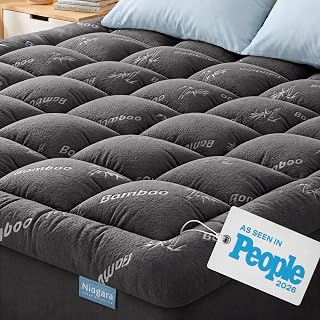
The Niagara Sleep Solution Ultra Soft & Cooling Topper and BEDLORE Viscose Bamboo Topper are natural candidates for shoppers who want a plush, fabric-forward upgrade with generous pocket depth. They may suit a firm mattress that needs a softer, more padded surface without the close hug of foam.
For a substantially thicker, more cushioned profile, the WhatsBedding 5 Inch Bamboo Viscose Topper is designed as a high-loft option. Its deeper construction can be appealing to side sleepers who need more separation from a hard mattress, though it is worth checking bed height and sheet compatibility before buying.
The EASELAND Cotton Pillow Top Mattress Pad is a practical choice when easy care and a classic quilted feel matter most. It is less likely to deliver the deep pressure relief of foam, but its washable construction can be attractive for guest rooms, warm climates, or sleepers who prefer a less enveloping surface.
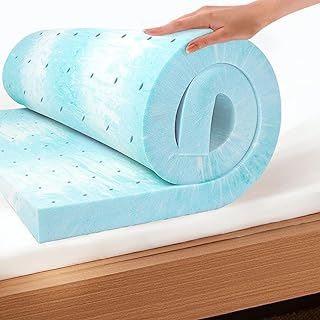
If you want pronounced contouring, consider the EGO 3 Inch Gel Memory Foam Topper or the Linenspa 2 Inch Gel Memory Foam Topper. The EGO offers a thicker, more substantial change in feel, while the Linenspa is a simpler way to soften a mattress without adding as much height. Both are foam-based options, so allow for expansion and initial odor dissipation in a well-ventilated room.
Check Fit, Care, and Practical Details
Measure your mattress before ordering. Pocket depth is especially important: fitted sheets that are too shallow may pop off once a topper is added. A topper with stretchable or extra-deep pockets can make installation easier, but verify the stated range against your mattress and topper combined.
Removable, machine-washable covers are valuable for routine maintenance, while foam cores generally require spot cleaning rather than washing. New foam toppers are commonly compressed for shipping; follow the manufacturer’s expansion instructions and do not judge the final feel immediately after unboxing. If you are sensitive to odors, ventilation time should be part of your setup plan.
Tips
- Place a pillow between your knees or thighs to reduce pelvic rotation and help maintain a straighter spine.
- Use a supportive head pillow that fills the space between your neck and the mattress; a topper changes this distance slightly.
- Give a new topper several nights before making a final assessment, unless it causes immediate pain or an obvious alignment problem.
- Use a breathable protector rather than a heavily plasticized cover if you sleep hot and want to preserve the topper’s surface feel.
Frequently Asked Questions
What thickness is best for a side sleeper?
Three inches is a dependable starting point for many side sleepers because it provides meaningful shoulder and hip cushioning without creating excessive instability. Choose closer to 2 inches for a mildly firm mattress or a subtle adjustment, and consider 4 to 5 inches only when you want a much plusher feel and your mattress has firm underlying support.
Is memory foam or a pillow-top pad better for side sleeping?
Memory foam generally offers deeper contouring and more targeted pressure relief. A quilted pillow-top pad feels lighter, airier, and easier to care for, but may compress more quickly and provide less separation from a hard mattress. The better choice depends on whether pressure relief or breathability and easy maintenance are your priorities.
Will a topper fix shoulder or hip pain?
It may reduce discomfort caused by a surface that is too firm, but pain can have many causes. A topper cannot diagnose or treat an injury, and excessive softness may worsen alignment. If pain persists, changes location, or affects daily activity, consult an appropriate healthcare professional.
How do I keep a mattress topper from sliding?
Use a fitted sheet designed to accommodate the mattress and topper together, and choose a topper with a textured underside or fitted skirt when available. A properly sized mattress protector can also help hold the layers in place. Recheck the bed after changing sheets, particularly with thick toppers.
Conclusion
The best mattress topper for a side sleeper is the one that cushions the shoulder and hip while keeping the waist supported and the spine level. Start by assessing your existing mattress, then choose thickness and material according to the amount of contouring, airflow, and maintenance you want. For a deep pressure-relieving change, look at memory foam; for a softer, more breathable refresh, a quilted bamboo or cotton topper may be the more comfortable—and more versatile—choice.