Key takeaways
- Use the residual heat: Clean while warm and dry on a low burner; a warm pan sheds water instantly and takes oil better.
- Match the scrubber to the mess: A plastic pan scraper for daily food, a chainmail scrubber for stubborn crust or rust.
- Go thin on oil: Always wipe off excess until the surface only looks slightly shiny, or the seasoning turns tacky.
- Preheat before cooking: Letting the skillet warm gradually improves nonstick performance and protects the seasoning from thermal shock.
A well-cared-for cast iron skillet is one of the few kitchen tools that genuinely improves with age. The seasoning, the layer of polymerized oil bonded to the iron, deepens with every use until the surface rivals any nonstick pan, and the pan itself can last a hundred years or more. A Lodge or Utopia Kitchen skillet bought today can realistically be handed down to your grandchildren. The only thing standing between you and a lifetime of use is knowing how to clean and maintain it properly, which is far simpler than the internet myths suggest.
Forget the rules about never using soap or never touching water. Modern seasoning is tough, and a sensible routine keeps your skillet rust-free and slicker than ever. This guide walks through cleaning after every meal, restoring the seasoning, dealing with rust, and the handful of habits that separate a skillet that lasts decades from one that ends up in the donation pile.
Our top picks




As an Amazon Associate we earn from qualifying purchases at no extra cost to you. Ratings are shown as listed on Amazon.
⚡ Save on Your Next PC — Amazon Prime
Prime members get fast free shipping on the systems above, plus early access to Prime Day & Black Friday PC deals. New members get a 30-day free trial.
Watch: How to Clean and Maintain Your Cast Iron Skillet for a Lifetime — Video Review
Clean It Right After Every Use
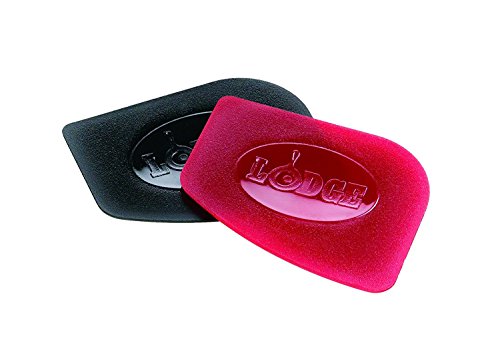
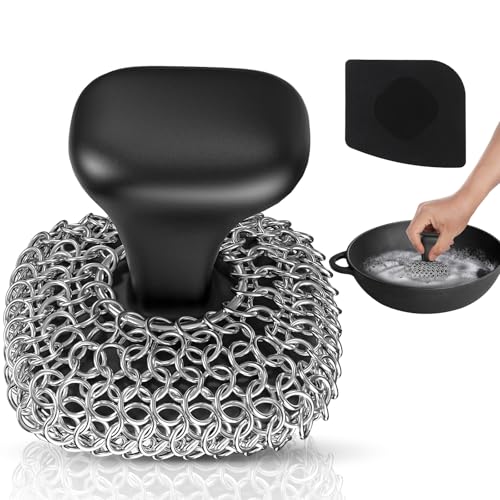
The best time to clean cast iron is while it is still warm. Rinse the skillet under hot water and scrub away food residue with a stiff brush or a cast iron scraper like the Lodge Pan Scrapers. For stuck-on bits, a chainmail scrubber such as the ONEEKK Cast Iron Cleaner Chainmail lifts them off without stripping the seasoning. A small amount of mild dish soap is fine on well-seasoned iron; the old warning against soap dates to an era of harsh lye-based detergents that no longer exist.
Dry Thoroughly and Oil Lightly
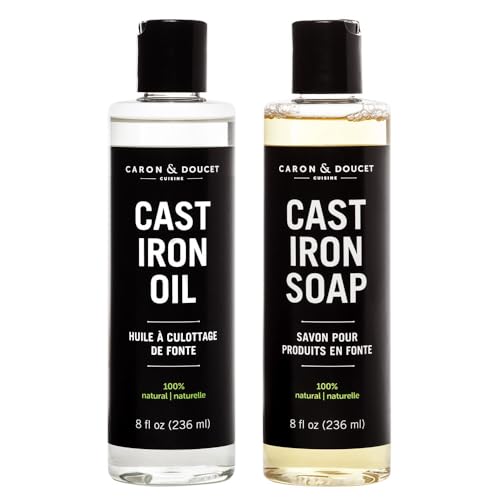
Water is cast iron’s true enemy, so drying is the step you must never skip. Wipe the skillet with a towel, then set it on a warm burner for a minute or two to drive off every trace of moisture. While it is still warm, rub a very thin layer of cooking oil, or a dedicated product like the CARON & DOUCET seasoning oil, over the entire surface with a paper towel. The goal is a sheen, not a puddle; excess oil turns sticky and gummy.
Re-Season When the Surface Looks Dull
Over time or after a heavy scrub, the seasoning may look patchy or dull. To rebuild it, coat the skillet with a very thin layer of oil, wipe off the excess, and bake it upside down in a 450-500°F oven for an hour, then let it cool in the oven. Two or three rounds create a durable, glassy black finish. A kit like the CARON & DOUCET seasoning oil and cleaning soap set is formulated specifically for this maintenance.
Deal With Rust Promptly
If you find orange rust, do not panic; cast iron is almost always salvageable. Scrub the rust away with a chainmail scrubber or a paste of coarse salt and oil until you reach clean gray metal, wash and dry the pan completely, then re-season it as above. Catching rust early makes this a fifteen-minute fix rather than a project, and even a badly neglected skillet can be brought back to life.
Store It Dry and Cook With It Often
Store your skillet in a dry cabinet, and if you stack other pans on top, slip a paper towel between them to absorb any humidity and prevent scratches. The single best maintenance habit, though, is simply cooking with it. Frying, searing, and sautéing in a little fat continually reinforces the seasoning, which is why a skillet used weekly stays slicker than one that sits idle. Cast iron rewards use.
Tips
- Use the residual heat: Clean while warm and dry on a low burner; a warm pan sheds water instantly and takes oil better.
- Match the scrubber to the mess: A plastic pan scraper for daily food, a chainmail scrubber for stubborn crust or rust.
- Go thin on oil: Always wipe off excess until the surface only looks slightly shiny, or the seasoning turns tacky.
- Preheat before cooking: Letting the skillet warm gradually improves nonstick performance and protects the seasoning from thermal shock.
Frequently Asked Questions
Can I really use soap on cast iron?
Yes, a small amount of mild dish soap is safe on a well-seasoned skillet. The seasoning is polymerized oil bonded to the metal, not a loose grease film, so gentle soap will not wash it away. Avoid long soaking or harsh degreasers, and always dry and re-oil afterward.
Why does food stick to my cast iron?
Sticking usually means the seasoning is thin or the pan was not preheated. Make sure the skillet is fully hot before adding food, use enough fat, and rebuild the seasoning if the surface looks patchy. A properly seasoned, preheated skillet releases food nearly as well as nonstick.
Is it safe to cook acidic foods like tomatoes?
On a well-established seasoning, brief cooking of acidic foods is fine, but prolonged simmering of tomato sauce or wine can eat into the seasoning and impart a metallic taste. For long acidic braises, use enameled cast iron or stainless steel, then re-season your bare skillet if needed.
How do I know when to re-season?
Re-season when the surface looks dull gray rather than glossy black, when food starts sticking despite proper technique, or after removing rust. A quick single round of oil-and-bake maintains most skillets; a fully stripped pan may need two or three rounds to rebuild a robust finish.
Conclusion
Caring for cast iron comes down to four simple habits: clean it warm, dry it completely, oil it thinly, and cook with it often. Do that, and a modest Lodge or Utopia Kitchen skillet becomes a lifetime companion that only gets better. Keep a scraper, a chainmail scrubber, and a bottle of seasoning oil on hand, tackle rust the moment you see it, and your skillet will still be searing perfectly long after most nonstick pans have been thrown away.