Key takeaways
- Rinse paper filters first: Pour hot water through a fresh paper filter before adding coffee to remove any papery taste and preheat the dripper.
- Pour slowly and evenly: A steady, circular pour extracts uniformly; dumping water all at once channels through and under-extracts.
- Use water just off the boil: Around 195-205°F is ideal; boiling water scorches the grounds and adds bitterness.
- Clean your gear: Rinse reusable filters thoroughly after each use, as trapped coffee oils turn rancid and taint future cups.
Pour-over coffee has a reputation for being fussy, all gooseneck kettles and digital scales and single-origin beans described like fine wine. But at its heart it is the simplest, most forgiving way to brew a genuinely great cup: hot water poured slowly through ground coffee in a filter, extracting a clean, bright, nuanced flavor that a drip machine rarely matches. With a dripper as inexpensive as the $7 Melitta brew cone and a few minutes of attention, anyone can make café-quality coffee on their kitchen counter in 2026.
The magic of pour-over is control. You decide the water temperature, the pour speed, and the timing, and each of those variables shapes the final flavor. This guide walks you through the whole process, from choosing your gear and grind to the pouring technique that separates a flat, sour cup from a balanced, aromatic one, so you can dial in your perfect brew and repeat it every morning.
Our top picks


![COLETTI Sierra Camping Pour Over Coffee Dripper — Collapsible Pour Over Coffee Dripper — Includes Pack of Paper Filters [Black, Pack of 1]](https://m.media-amazon.com/images/I/414XYLF3R3L._SL500_.jpg)

As an Amazon Associate we earn from qualifying purchases at no extra cost to you. Ratings are shown as listed on Amazon.
⚡ Save on Your Next PC — Amazon Prime
Prime members get fast free shipping on the systems above, plus early access to Prime Day & Black Friday PC deals. New members get a 30-day free trial.
Watch: How to Brew the Perfect Pour-Over Coffee at Home — Video Review
Choose Your Dripper and Filter
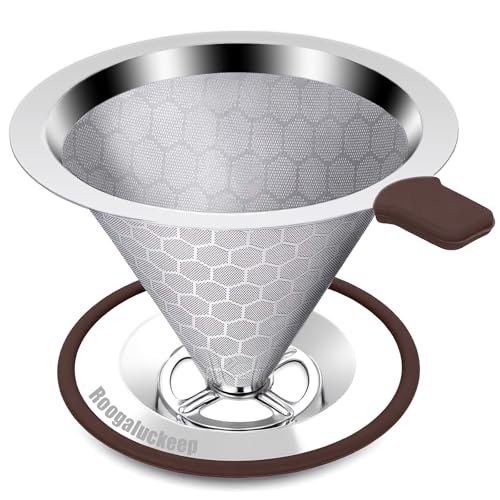
The dripper shapes how water flows through the grounds. A simple cone like the Melitta 64007 Brew Cone or the OXO Brew Single Serve sits right on your mug and uses paper filters for a clean cup. Reusable stainless-steel options, such as the Roogaluckeep Pour Over with its permanent mesh filter or the Bodum glass carafe with a built-in steel filter, skip paper entirely and let more of the coffee’s natural oils through for a fuller body. For travel, a collapsible dripper like the COLETTI Sierra packs flat. Any of these produces excellent coffee; the choice is about body, waste, and convenience.
Get the Grind Right
Grind size is the single biggest lever on flavor. For pour-over, aim for a medium grind, roughly the texture of coarse sand or table salt. Too fine and the water drains slowly, over-extracting into bitterness; too coarse and it rushes through, leaving the coffee weak and sour. Grinding fresh right before brewing preserves aroma, so if you can, grind whole beans just before you pour rather than buying pre-ground.
Nail the Coffee-to-Water Ratio
A reliable starting ratio is 1 gram of coffee to about 16 grams of water, which works out to roughly 2 tablespoons of grounds per 6-ounce cup. Weigh it if you can for consistency, or measure by the scoop once you know what a good cup tastes like. From this baseline, use a little more coffee for a stronger cup or a little less for a lighter one, and adjust to your own preference.
Bloom, Then Pour in Stages
Start by heating water to about 200°F, just off the boil. Add the grounds, then pour just enough water to saturate them and wait 30 seconds; this “bloom” releases trapped carbon dioxide and sets up even extraction. Then pour the rest slowly in gentle, circular motions, keeping the water level steady and avoiding the filter’s edges. The whole brew should take roughly 3 to 4 minutes from bloom to the last drip.
Tips
- Rinse paper filters first: Pour hot water through a fresh paper filter before adding coffee to remove any papery taste and preheat the dripper.
- Pour slowly and evenly: A steady, circular pour extracts uniformly; dumping water all at once channels through and under-extracts.
- Use water just off the boil: Around 195-205°F is ideal; boiling water scorches the grounds and adds bitterness.
- Clean your gear: Rinse reusable filters thoroughly after each use, as trapped coffee oils turn rancid and taint future cups.
Frequently Asked Questions
Do I need a gooseneck kettle for pour-over?
A gooseneck kettle gives you precise control over pour speed and placement, which helps, but it is not strictly required. You can make excellent pour-over with a steady hand and any kettle by pouring slowly and carefully. Start with what you have and upgrade later if you want more control.
Paper filter or reusable metal filter, which is better?
Paper filters produce a cleaner, brighter cup by trapping oils and fine sediment, while reusable metal filters like those on the Roogaluckeep or Bodum let more oils through for a fuller, heavier body. It comes down to taste and whether you prefer zero waste; try both and see which you like.
Why does my pour-over taste sour or bitter?
Sourness usually means under-extraction, from too coarse a grind, too fast a pour, or water that is not hot enough. Bitterness means over-extraction, from too fine a grind or too slow a brew. Adjust one variable at a time, grind size is the best place to start.
How much coffee should I use per cup?
A good rule is about 2 tablespoons of ground coffee per 6-ounce cup, or a 1:16 ratio by weight. Weighing gives the most consistent results, but once you know what a balanced cup tastes like, you can measure by scoop and adjust to taste.
Conclusion
Perfect pour-over coffee is not about expensive gadgets; it is about a few simple fundamentals done consistently: a medium grind, a good ratio, water just off the boil, a proper bloom, and a slow, even pour. Start with an affordable dripper like the Melitta cone or OXO Brew, dial in your grind, and repeat the process each morning. Within a week you will be brewing a cup that rivals your local café, for a fraction of the price.